
Starting a new health journey can feel overwhelming, especially when it involves a structured approach. To ensure your success, it’s essential to have a well-organized grocery list. This is particularly true for the six-week program aimed at resetting your microbiome.
Expert Miller suggests that this plan is a temporary, carb-restricted method designed to support your body during this intensive health reset. You will discover how to navigate the grocery store effectively, finding the best foods that align with your goals.
This guide offers a comprehensive overview of items to include, helping you avoid common pitfalls that can derail your progress. By sticking to this structured plan, you can better manage your symptoms while focusing on whole, nutrient-dense ingredients for every meal.
Key Takeaways
- Having a structured grocery list is vital for success.
- The six-week program focuses on resetting your microbiome.
- Carbohydrate intake is limited to a maximum of 60 grams per day.
- Learn to find the best foods that support your health.
- Avoid common pitfalls that can hinder your progress.
Table of Contents
ToggleIntroduction: Embracing a Candida Diet for Better Health
Embarking on a health journey can often feel like a daunting task, especially when it requires careful planning. The goal of this approach is to weaken yeast overgrowth and regulate blood sugar levels. By embracing a candida diet, you take a proactive step toward enhancing your overall health.
When you commit to this lifestyle, your body gets a chance to recover from the effects of yeast overgrowth. Many individuals find that adjusting their eating habits allows them to feel more like themselves again, especially after battling persistent physical issues.
This approach is not about strict deprivation. Instead, it focuses on choosing the right fuel to support your internal systems and long-term wellness. You will learn how to transition into this lifestyle while maintaining a positive mindset throughout your health journey.
| Key Benefits | Description |
|---|---|
| Improved Energy Levels | Feel more energetic as your body recovers. |
| Better Digestion | Support your digestive health with balanced meals. |
| Enhanced Mood | Experience a positive shift in your overall mood. |
Understanding Candida and Its Impact on Your Body
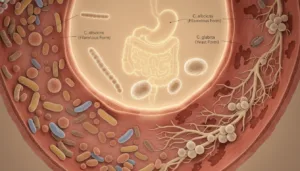
Understanding the role of certain microorganisms in your body is crucial for your health. There are over 150 known species of these organisms. However, only 15 of them can cause infections.
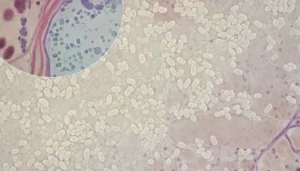
Among these, candida albicans is the most common culprit. It accounts for more than half of all cases and naturally resides in your digestive tract. When this fungus multiplies too quickly, it can lead to various issues.
You might experience chronic fatigue, skin rashes, or persistent digestive discomfort. Recognizing that candida is a natural part of your body helps you realize that the goal is balance, not total elimination.
When the balance of these microorganisms is disrupted, you may notice symptoms like bloating or mood swings. Understanding these factors can empower you to take control of your health.
How the Candida Diet Works: Principles and Potential Benefits
Navigating a new health regimen can often feel like a challenging journey, especially when it requires a strategic approach. The core principle of this method involves limiting carbs to create an environment where yeast cannot thrive.
A recent study with 120 participants revealed that dietary changes significantly reduced the number of yeast in stool samples over three months. By removing processed foods, you effectively stop feeding the yeast, allowing your gut lining to begin healing.
While some critics argue that this approach lacks scientific backing, many advocates believe it can reduce inflammation and lower the risk of metabolic disease. You should view this phase as temporary, providing your system the necessary space to recalibrate and recover.
Building Your Candida Diet Grocery List for Success
A focused approach to your food selections can greatly enhance your health experience. Creating a solid grocery list before heading to the store helps you avoid impulsive choices that may derail your progress.
Concentrate your shopping on the outer aisles of the store. This is where you’ll find fresh produce and whole food options, which are essential for your journey.
Preparing your own meals at home is the best way to ensure you avoid hidden sugars and harmful additives. When starting this new way of cooking, keep your meals simple with basic ingredients. This makes the transition smoother.
Having a pre-planned list guarantees that you always have the right items on hand. This reduces the stress of daily meal preparation and keeps you on track.
Essential Ingredients for a Candida-Friendly Diet
Choosing the right foods is crucial for your health journey. By focusing on whole foods and lean proteins, you can create a solid foundation for your meals. This approach helps you avoid unnecessary triggers while providing essential nutrients.
Focus on Whole Foods and Lean Proteins
You should prioritize high-quality proteins like organic chicken, wild-caught salmon, and pasture-raised eggs. These options offer your body the building blocks it needs to thrive.
Including lean meats and fish not only supports muscle health but also keeps you feeling satisfied. This can help manage cravings and maintain energy levels throughout the day.
Incorporating Healthy Fats and Oils
Healthy fats play a vital role in your diet. Incorporating extra-virgin olive oil and unrefined coconut oil helps you feel full while stabilizing blood sugar levels.
Adding avocado to your meals not only provides a creamy texture but also offers healthy fats that support brain function. These essential foods ensure you get enough nutrients while avoiding triggers that can cause overgrowth.
Using high-quality olive oil for dressing your salads or cooking your vegetables is a simple way to enhance flavor and health.
Foods to Avoid on the Candida Diet
When you’re on a health journey, knowing what to avoid is just as important as knowing what to eat. Certain foods can trigger unwanted reactions in your body. They can feed yeast and hinder your progress. By steering clear of these items, you set yourself up for success.
Common triggers include:
- Sugar: You must strictly avoid sugar in all its forms, including honey, maple syrup, and agave. These are primary foods that feed yeast.
- Processed Carbs: Foods like white bread and pasta break down into sugar quickly, causing spikes in your blood sugar.
- Alcohol: Alcohol turns into sugar and can damage your gut lining, making it harder for your system to heal.
- High-Sugar Fruits: Certain fruits, such as bananas and grapes, are too high in sugar and should be removed during the initial phase.
- Hidden Sugars: Always read labels, as hidden sugars can lurk in sauces, salad dressings, and even healthy snacks.
“Avoiding these foods is crucial for creating an environment where your body can heal.”
By being mindful of what you consume, you can effectively support your health journey.
Creating Your Candida Diet Meal Plan
Creating a structured meal plan can make your health journey more manageable. Planning your meals for the day helps you stay consistent and focused on your goals.
Start your day with a nutritious breakfast, such as scrambled eggs paired with tomatoes and avocado. This combination offers healthy fats and proteins to fuel your morning.
For lunch, consider a fresh salad topped with olive oil and a source of protein. This keeps you energized throughout the afternoon.
As for dinner, a stir-fry featuring quinoa, chicken breast, and steamed vegetables is a great option. You can prepare a large batch to ensure you have a quick, compliant meal ready.
Including a cup of bone broth in your daily routine can provide soothing nutrients that support your gut health and digestion.
Don’t forget to experiment with different recipes, like salmon cakes or stir-fries, to keep your meals enjoyable and satisfying.
| Meal | Example | Key Ingredients |
|---|---|---|
| Breakfast | Scrambled Eggs | Eggs, Tomatoes, Avocado |
| Lunch | Fresh Salad | Mixed Greens, Olive Oil, Protein |
| Dinner | Quinoa Stir-Fry | Quinoa, Chicken, Vegetables |
Overcoming Challenges When Following the Candida Diet
Transitioning to a new health regimen can present some hurdles. As your body adjusts to the changes, you may encounter various symptoms that can feel uncomfortable.
During the initial phase, it’s common to experience symptoms like headaches, fatigue, and even nausea. This period, often referred to as the keto flu, happens as your body shifts from burning carbohydrates to utilizing fat for energy.
To help ease this process, consider the following tips:
- Be Patient: Allow your body ample time to recalibrate. This transition can take a few weeks, so don’t rush it.
- Stay Hydrated: Drinking plenty of water is essential. It helps flush out toxins and can alleviate some discomfort.
- Rest: Ensure you get enough sleep to support your body’s healing process. This can help reduce irritability.
- Consistency is Key: Stick to your gut-healing protocol. Over time, you’ll notice improvements like clearer skin and more stable energy levels.
Remember, these initial symptoms are temporary. With dedication and care, your body will adapt to this new way of eating.
| Symptoms | Common Experiences | Tips for Relief |
|---|---|---|
| Headaches | May occur as your body adjusts | Stay hydrated and rest |
| Fatigue | Feeling tired during the transition | Ensure adequate sleep |
| Nausea | Possible during the first weeks | Eat small, balanced meals |
Expert Tips to Strengthen Your Gut Health
Improving your gut health is essential for overall well-being. By making small adjustments to your diet, you can create a more balanced digestive system. Incorporating specific foods and supplements can significantly impact your gut health.
One way to support your gut is by adding antifungal spices like turmeric, ginger, and garlic to your meals. These spices can help slow the growth of unwanted organisms in your gut.
Additionally, including unsweetened coconut yogurt or sauerkraut introduces healthy bacteria that naturally rebuild your gut flora. This is vital for maintaining a healthy balance.
You might also consider using a high-quality probiotic supplement. These can help alleviate inflammation and promote gut health throughout your digestive tract.
Sipping on warm bone broth is another excellent option. It provides amino acids that help repair the gut lining, which can often be damaged by chronic overgrowth.
By combining these expert-recommended additions, you can create a stronger, more resilient digestive system. This will help maintain your gut’s natural balance.
| Gut Health Tips | Description |
|---|---|
| Antifungal Spices | Incorporate turmeric, ginger, and garlic into meals. |
| Coconut Yogurt | Add unsweetened yogurt for healthy bacteria. |
| Probiotic Supplements | Consider high-quality options to support gut health. |
| Bone Broth | Sip warm broth to repair gut lining. |
Using a Candida Diet Grocery List for Cost-Effective Shopping
Shopping smart can make a significant difference in your health journey. With a well-prepared grocery list, you can find nutritious options without breaking the bank. It’s all about being strategic with your purchases.
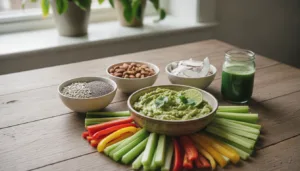
Buying seasonal vegetables and bulk nuts or seeds can help you save money while still getting the nutrients you need. These options are often more affordable and fresher than out-of-season items.
Additionally, purchasing large containers of olive oil and coconut oil can be a great way to cut costs. These staples are essential in your cooking and can last for a long time.
Staying hydrated is also crucial. Drinking filtered water infused with lemon is a cost-effective way to enhance your hydration without spending on pricey beverages. It adds flavor and supports digestion.
Focusing on whole foods like cabbage and seasonal greens allows you to fill your plate with nutritious items that are very affordable. Planning meals around what’s in season ensures you enjoy fresh produce while keeping your budget in check.
Adaptive Strategies for a Temporary Diet Reset
Making changes to your eating habits can feel like a big challenge. However, this temporary reset is a chance to break free from sugar cravings and tackle the root causes of your health issues.
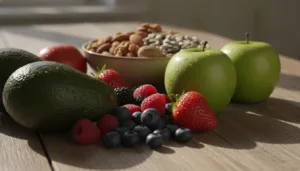
You can still enjoy small amounts of berries and lemon water. These additions can enhance the flavor of your meals without causing flare-ups. Using coconut milk in smoothies or curries adds a creamy texture, making this program feel less restrictive.
It’s important to remember that this is not a permanent lifestyle. Instead, it’s a strategic program aimed at helping your body recover from disease. By keeping things simple and focusing on your long-term goals, you can successfully navigate the challenges of this reset.
Stay hydrated with plenty of water and remember to limit alcohol consumption. These strategies will support your journey and help you feel your best.
Conclusion
Concluding a focused health initiative can illuminate the path toward better wellness and vitality. The approach offers a structured way to support your gut health by eliminating sugar and processed foods that fuel yeast overgrowth. While scientific evidence is still evolving, many find relief from persistent symptoms by focusing on whole foods like vegetables, protein, and healthy fats.
Remember, this is a temporary process intended to give your body the time it needs to heal and restore its natural balance. Always consult with a healthcare provider before starting any new eating plan to ensure it is safe and appropriate for your specific health needs.
By staying consistent with your grocery selections and meal choices, you can successfully manage your health and feel more like yourself again.