If you are wondering about the role of fruit in a candida diet, you’re not alone. Many people face challenges when navigating these dietary restrictions. Understanding how to manage your food choices can significantly impact your health.
The candida diet focuses on reducing sugar intake, which is crucial for controlling yeast overgrowth. While some fruits contain natural sugars, it’s essential to choose wisely. Incorporating the right types of fruits can support your immune system and help alleviate symptoms associated with candida.
For those dealing with recurrent yeast infections or ongoing fatigue, consulting with professionals can provide tailored advice. The Fully Functional team is available at (317) 989-8463 to assist you in making informed dietary changes. By focusing on a structured plan, you can restore balance to your body and improve your overall well-being.
Key Takeaways
- Understanding fruit’s role in a candida diet is vital for managing symptoms.
- Consulting with professionals can guide your dietary choices effectively.
- Choosing the right fruits can support your immune health.
- A structured diet helps restore balance in the body.
- Reducing sugar intake is essential for controlling yeast overgrowth.
Table of Contents
ToggleIntroduction to Candida and the Impact of Diet
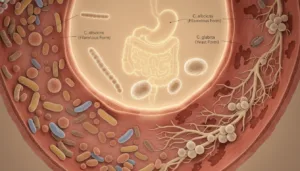
Understanding how dietary choices affect candida is crucial for many. The most common culprit, candida albicans, is responsible for over half of all yeast infections. This organism thrives in high-sugar environments, making your diet a significant factor in managing its growth.
Your gut health plays a vital role in overall well-being. Interestingly, the gut microbiome produces about 95 percent of the body’s serotonin, influencing mood and health. By following a structured plan, you can create an environment that supports beneficial bacteria while starving harmful yeast.
Many people overlook how daily meals, including chicken and coconut products, contribute to gut health. Limiting grains and dairy allows probiotics to flourish, enhancing your immune system. A balanced diet rich in healthy fats and lean protein is essential during this time.
| Food Type | Impact on Candida | Recommended Intake |
|---|---|---|
| Chicken | Supports protein intake | Moderate |
| Coconut | Healthy fats | Moderate |
| Grains | Can feed yeast | Limit |
| Dairy | May contribute to inflammation | Avoid |
| Probiotics | Enhances gut health | Include |
Managing your sugar intake is vital for controlling yeast growth and improving overall health. Incorporating supportive foods like apple cider vinegar can help maintain the necessary balance for long-term vitality.
Recognizing Common Symptoms and Causes of Candida Overgrowth
Recognizing the symptoms of candida can be a game-changer for your health. Many people overlook the signs that indicate an imbalance in their gut. Understanding these symptoms can help you take action early and prevent further complications.
Common symptoms include:
- Ongoing fatigue: Feeling tired all the time can be a sign of candida overgrowth.
- Brain fog: Difficulty concentrating or remembering things may indicate an issue.
- Digestive issues: Bloating and discomfort can disrupt your daily life.
- Skin problems: Conditions like eczema or psoriasis often relate to gut health.
- Joint pain: Uric acid produced by candida can lead to stiffness and swelling.
Several lifestyle and dietary triggers can worsen these symptoms. Chronic stress and antibiotics can weaken your immune system, allowing yeast to thrive. If you have diabetes, elevated blood sugar levels can fuel yeast growth, increasing your risk for infections.
Recognizing these symptoms early is vital. By adjusting your diet and removing certain foods, like dairy and grains, you can observe how your body responds. Always consult with a professional if you suspect an imbalance in your gut health.
An Overview of the Candida Diet and Its Benefits
The connection between diet and candida management is essential for your health. This structured approach focuses on eliminating certain foods that promote yeast growth. By doing so, you can create an environment that supports your gut health.
The Candida Diet recommends omitting sugar, grains, dairy, fermented foods, and alcohol for the first 2-4 weeks. This initial phase is crucial for starving the yeast and allowing your body to heal.
Consider these benefits of following this diet:
- Improved gut health: By avoiding harmful foods, you support your microbiome.
- Reduced inflammation: Many people notice a decrease in body inflammation.
- Stable blood sugar levels: Aiming for 10-15 grams of carbohydrates per meal helps control sugar intake.
- Variety of meal options: Enjoy meals with chicken, healthy fats, and fresh herbs.
- Temporary treatment: This plan is designed to reset your microbiome for long-term health.
By focusing on whole foods and avoiding processed sugars, you take proactive steps toward better health every day.
Can you eat fruit on a candida diet?
Navigating the complexities of fruit consumption while following a candida diet can be tricky. During the initial 2-4 weeks, it’s advisable to avoid fruit entirely. This phase is crucial for controlling yeast overgrowth.
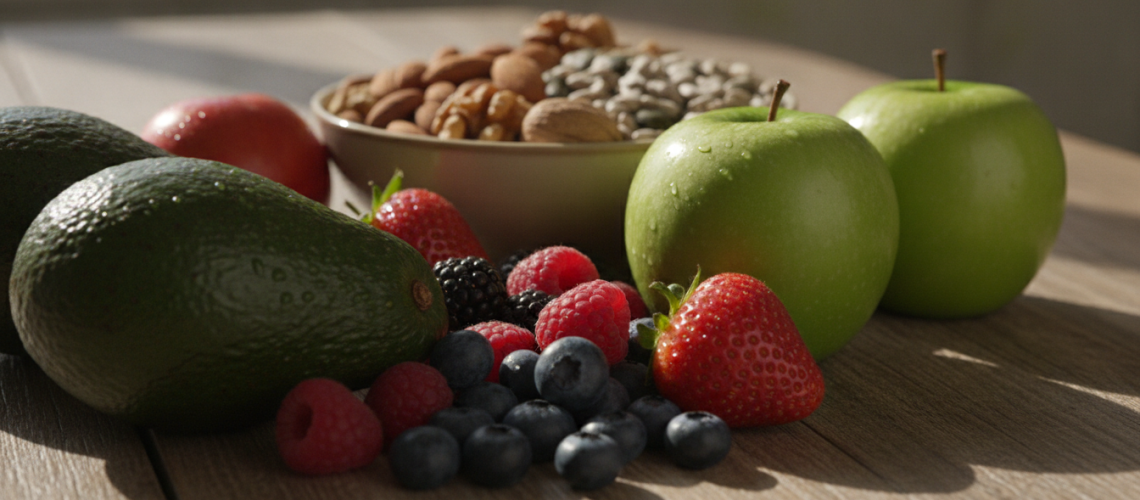
Once this elimination period is over, you can slowly reintroduce low-sugar fruits like berries. These fruits are often better tolerated by your body and can provide essential nutrients.
It’s important to remember that fruit contains natural sugars. Consuming large quantities can potentially feed yeast, so moderation is key. Pairing fruit with a source of protein or healthy fats can help stabilize blood sugar levels, reducing the risk of symptoms.
Your meal plan should prioritize non-starchy vegetables over fruit. This ensures you get enough fiber without excessive sugar intake. If cravings arise, consider using stevia or other no-sugar sweeteners instead of high-sugar fruits.
Always monitor how your body reacts when introducing new foods. Everyone’s tolerance for sugar and fruit can vary significantly. By following these guidelines, you can enjoy a varied diet while maintaining control over your candida levels.
Guidelines for Incorporating Fruit on a Candida Diet
Incorporating fruit into your meal plan while managing candida can be challenging. After the initial 2-4 weeks of strict elimination, you can gradually include fruit. However, it’s essential to limit your intake to 1-2 half-cup servings daily, focusing on low-sugar options.
Low-Sugar Fruit Options and Serving Ideas
Fruits like berries, lemons, and green apples are excellent choices. They provide antioxidants without excessive sugars. When you do enjoy fruit, consider pairing it with a source of protein, like almond butter, for a satisfying treat.
Always wash your fruit thoroughly and opt for organic varieties to minimize pesticide exposure. Avoid fruit juice, as it lacks fiber and can spike blood sugar levels too quickly.
When to Enjoy Fruit as a Dessert
Try to enjoy fruit as a dessert after meals. This approach helps minimize its impact on blood sugar levels. Many people find that eating fruit in the morning or as a snack is less disruptive than consuming it late at night.
Remember, your primary focus should be on nutrient-dense vegetables. Use fruit as a secondary addition to support your overall health goals. If you notice any return of symptoms after eating fruit, consider reducing your portion size or switching to an even lower-sugar option.
Practical Tips for Crafting a Candida-Friendly Meal Plan
Crafting a meal plan that aligns with your health goals can be an exciting journey. To support your body while managing symptoms, aim for balanced meals throughout the day.
For best results, aim to consume about 10-15 grams of carbohydrates at each meal and around 5-8 grams for snacks. This balance helps control sugar intake effectively.
Breakfast, Lunch, and Dinner Ideas
- For breakfast, try a toasted coconut “granoless” cereal made with almond milk. It’s a delicious way to start your day without grains.
- Lunch can be a vibrant chopped veggie salad with fresh herbs and a simple olive oil dressing. This keeps your energy levels steady.
- Dinner options like Dijon salmon with herbs or chicken tikka masala provide high-quality protein and healthy fats to support your body.
Using the MyFitnessPal app can help you track your carbohydrate intake and ensure you stay within your daily limits. Always keep a side of steamed vegetables or a fresh salad with your protein to ensure you’re getting enough fiber and nutrients.
If you’re busy, prepping your chicken and vegetables in advance can make it much easier to stick to your meal plan throughout the week. Using coconut aminos instead of soy sauce is a great way to add flavor without triggering symptoms.
Remember, your meal plan should be flexible enough to accommodate your preferences while still adhering to the core principles of the diet. By focusing on these simple, whole-food options, you can create a sustainable way of eating that supports your long-term health and wellness.
Addressing Challenges and Adjusting to the Candida Diet
Adapting to a new eating plan can be challenging, especially when it involves significant dietary changes. Many people find overcoming cravings for sugar and grains to be the hardest part of the journey. Fortunately, these urges typically subside after the first few weeks.
If you struggle with restrictions, try focusing on the variety of foods you can enjoy rather than what you must avoid. Staying hydrated and getting enough sleep can also help ease cravings during this adjustment period.
It’s normal to feel a bit tired or irritable initially, as your body adjusts to lower sugar intake and new fuel sources. If you find yourself struggling, consider working with a health coach for personalized support.
Remember, this diet is a short-term tool aimed at regaining your health, not a permanent lifestyle. Keeping a journal of your meals and feelings can help you identify which foods might cause issues, allowing you to adjust your plan effectively.
Staying consistent with your choices will lead to faster benefits and keep you motivated. You are not alone in this process; many people have successfully used these dietary changes to improve their health and well-being.
Additional Considerations: Balancing Other Foods and Lifestyle Habits
Managing your health involves more than just dietary choices. It’s essential to consider how other foods and lifestyle habits can impact your overall well-being. A holistic approach will help you maintain balance while following your dietary plan.
Incorporating high-quality probiotics into your daily routine can help boost the beneficial bacteria in your microbiome. This support is crucial for your immune system. You might consider options like fermented vegetables or probiotic supplements.
Managing your stress levels through meditation or deep breathing is just as important as your diet. Stress can negatively affect gut health, so finding ways to relax can enhance your overall health.
Managing Dairy, Grains, and Fats
While avoiding dairy and grains, ensure you are getting enough healthy fats from sources like avocados and olive oil. These fats provide energy and support your body’s functions.
The Role of Probiotics, Hydration, and Stress Management
Staying hydrated with plenty of filtered water is essential for flushing out toxins. It supports the natural detoxification processes of your body. If unsure about which probiotics to take, consult with a healthcare provider to find the best options for your needs.
Balancing your lifestyle habits, such as getting enough sleep and regular movement, will enhance the effectiveness of your dietary changes over time. Remember, your health is a holistic endeavor. Every small change contributes to a more balanced internal environment.
By paying attention to stress and hydration, you can create a supportive foundation that makes the diet easier to follow. Many find these additional habits help them feel more energized and focused while adhering to a restricted eating plan.
Conclusion
Starting a candida diet is a powerful move towards reclaiming your health and well-being. By managing your sugar intake and focusing on whole foods, you create an environment where your gut health can thrive. Remember, this journey is about progress, not perfection. It’s okay to take things one day at a time as you adjust.
With the right plan and commitment, overcoming yeast overgrowth becomes achievable. Always reach out to professionals for extra support; their guidance can make this diet a success. Your health is your most valuable asset, and the effort you invest in these dietary changes will pay off in the long run.
Stay positive and keep moving forward, knowing you are taking control of your health and building a stronger, more vibrant future. For more insights on fruit options, check out this resource.