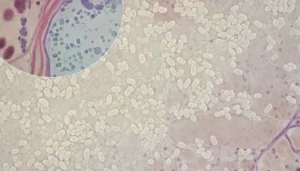
Have you ever wondered about the yeast called candida? It’s a natural inhabitant of your body, playing a role in maintaining balance. However, when this balance is disrupted, it can lead to discomfort and various health issues.
Learning effective ways to manage this yeast is crucial for your overall well-being. This guide aims to equip you with simple yet effective strategies to support your body’s natural defenses. By understanding the factors that can lead to an imbalance, you can take proactive steps toward a healthier lifestyle.
From dietary choices to lifestyle adjustments, we will explore actionable tips that can help you regain control of your internal environment. Empower yourself with knowledge and take charge of your health today!
Key Takeaways
- Candida is a normal part of your body but can cause issues when imbalanced.
- Understanding triggers can help you maintain your health.
- Simple lifestyle changes can support your body’s balance.
- Awareness is key to managing your internal environment.
- Empower yourself with knowledge for better health.
Table of Contents
ToggleIntroduction
The fungus candida naturally inhabits your body. It plays a role in maintaining balance, but when this balance is disrupted, problems can arise. Recognizing the early symptoms of an imbalance is crucial. This awareness is the first step toward restoring harmony and avoiding a full-blown infection.
When left unchecked, candida can lead to widespread issues that affect your daily life. It’s important to pay attention to how your body reacts to these fungal shifts. By doing so, you can intervene before the situation requires more intensive medical intervention.
In this section, we will examine the most common signs that indicate your internal ecosystem is struggling to keep this opportunistic yeast under control. Understanding these signals is vital for anyone looking to maintain a healthy, balanced, and symptom-free lifestyle throughout the year.
| Symptom | Description | Potential Impact |
|---|---|---|
| Fatigue | Feeling unusually tired | Can affect daily activities |
| Digestive Issues | Bloating, gas, or irregular bowel movements | May lead to discomfort |
| Skin Rashes | Unexplained skin irritations | Can be bothersome and itchy |
Understanding Candida Overgrowth
Many people may not realize that candida is a common yeast found in your body. It usually resides in areas like your mouth and digestive tract, contributing to your overall health. When everything is functioning well, your immune system and beneficial bacteria work together to keep this yeast in check.
However, issues arise when this balance is disrupted. An overgrowth can occur, leading to various types of infections. This imbalance can affect different areas of your body, causing discomfort and health complications.
Several factors can trigger this imbalance. For instance, the overuse of antibiotics can harm your internal system, creating a perfect environment for yeast to multiply. Understanding these triggers is essential for maintaining a resilient internal ecosystem.
By recognizing the causes of candida imbalance, you can take proactive steps. This knowledge serves as a foundation for keeping your body healthy and your immune system strong.
Recognizing Symptoms and Types
Understanding the signs of yeast imbalance is crucial for your health. Infections can manifest in various forms, affecting different areas of your body. The most common types include oral and skin infections, as well as vaginal and systemic signs.
Oral and Skin Infections
Oral thrush is a frequent issue that results in white, bumpy patches in the mouth. This condition often affects individuals with a weakened immune system. Skin infections, known as cutaneous candidiasis, can cause red, itchy rashes in warm, moist areas where yeast thrives.
Vaginal and Systemic Signs
A vaginal yeast infection typically presents with thick, white discharge and intense itching. In the United States, about 1.4 million people seek medical attention for this issue each year. Systemic signs of yeast imbalance may include persistent fatigue and digestive discomfort, indicating a more widespread infection.
If you experience recurring symptoms such as painful urination or unusual discharge, it’s essential to consult a professional to assess your specific risk. For more information on symptoms, check out this helpful resource.
Diet & Lifestyle Strategies for Balance
The foods you choose can significantly impact your internal balance. A diet high in refined sugar and processed foods fuels yeast growth, leading to uncomfortable symptoms. Therefore, it’s vital to make informed dietary choices.
Eliminating alcohol and excessive sugars helps restore the balance of beneficial bacteria in your gut. This balance is crucial for preventing further issues related to yeast. By prioritizing whole, nutrient-dense foods, you can reduce the likelihood of yeast thriving in your digestive tract.
Focus on incorporating foods that support your microbiome. These foods are essential for maintaining a healthy internal environment. Making these dietary changes is a powerful way to starve the yeast and promote the growth of the good bacteria you need.
“You are what you eat.”
How to prevent candida overgrowth naturally
Your body’s balance is essential for keeping yeast levels in check. Preventing an imbalance requires a consistent commitment to supporting your immune system. Proper nutrition and stress management techniques play a vital role in this process.
A 1995 study suggested that prolonged gut infections could contribute to chronic fatigue. This highlights the importance of early and effective treatment for infections.
By strengthening your immune system, you equip your body with the necessary tools to fight off recurring infections. Natural treatment strategies often involve dietary adjustments and lifestyle modifications that work over time to restore your health.
Taking the time to address the root cause of your candida overgrowth is the most effective way to ensure long-term relief and wellness.
- Support your immune system through a balanced diet.
- Manage stress effectively to promote overall health.
- Recognize the importance of early treatment for infections.
- Incorporate lifestyle changes that foster a healthy environment.
- Focus on long-term strategies for lasting wellness.
Natural Treatments and Supplements
Natural remedies can offer a holistic approach to managing yeast levels in your body. Many people turn to herbal and essential oil treatments for their antifungal properties. One of the most popular options is garlic, which contains allicin. Studies have shown that allicin can effectively inhibit the growth of yeast.
Incorporating high-quality probiotics into your daily routine is another effective strategy. Probiotics like Lactobacillus and Saccharomyces boulardii help support your immune system and maintain a balanced population of yeast in your body.
Additionally, specific supplements can assist in managing your condition over time. Scientific studies have demonstrated that certain herbal remedies can interfere with yeast growth, providing a natural alternative to harsh drugs. Always ensure that your chosen supplements are appropriate for your specific health condition and consult with a professional before starting any new regimen.
For more information on the right supplements, check out this helpful resource.
Addressing Candida with Nutritional Changes
Making smart food choices can significantly influence your internal health. A well-planned diet is essential for managing yeast levels effectively. By focusing on specific foods, you can create an environment that discourages yeast growth.
Incorporating anti-candida foods, such as garlic and coconut oil, is a proven way to inhibit harmful yeast. Recent studies indicate that Greek yogurt can also help maintain healthy gut bacteria, further supporting your body’s balance.
When planning your meals, it’s crucial to avoid added sugars and alcohol. These substances feed yeast and disrupt your internal balance. Instead, aim for meals that nourish your body with essential nutrients and fiber while starving the yeast.
By consistently choosing the right foods, you can effectively manage your condition. This approach creates an environment where yeast cannot easily thrive or multiply.
| Food Type | Benefit | Examples |
|---|---|---|
| Anti-Candida Foods | Inhibit yeast growth | Garlic, Coconut Oil |
| Probiotics | Support gut bacteria | Greek Yogurt, Kefir |
| Fiber-Rich Foods | Nourish your body | Vegetables, Whole Grains |
Strengthening Your Immune System
Your immune system is your body’s first line of defense against infections. Strengthening it is crucial for preventing recurring yeast infections and maintaining overall health.
Making lifestyle modifications can greatly enhance your immune function. Simple changes, such as reducing stress and avoiding unnecessary antibiotics, help keep the bacteria in your digestive tract balanced.
In 1983, Orion Truss published “The Missing Diagnosis,” highlighting the link between yeast overgrowth and systemic health symptoms. This work brought attention to the importance of addressing infections early.
A study involving 116 participants evaluated the effects of nystatin on yeast syndrome, showing that professional treatment may be necessary for persistent infections.
If you experience symptoms like oral thrush or recurring vaginal yeast issues, seeking professional advice is essential. This ensures your immune system is functioning at healthy levels.
| Modification | Benefit | Example |
|---|---|---|
| Reduce Stress | Enhances immune response | Meditation, yoga |
| Avoid Unnecessary Antibiotics | Preserves gut bacteria | Consult with a doctor |
| Healthy Diet | Supports immune function | Fruits, vegetables |
Conclusion
Maintaining harmony within your body is essential for vibrant health. You can manage yeast levels effectively by prioritizing a balanced diet and strengthening your immune system. This proactive approach protects your body from discomfort and supports overall wellness.
Consistently avoiding triggers like excess sugar and unnecessary antibiotics helps maintain the delicate balance of bacteria within your internal system. Remember, small, sustainable lifestyle changes are the most effective way to ensure long-term health.
If your efforts aren’t yielding results, don’t hesitate to reach out to a professional for a personalized treatment plan. Taking proactive steps today empowers you to live a vibrant, symptom-free life while keeping your internal environment in perfect harmony.