You might be surprised to learn that there are an estimated 3.8 million deaths from fungal infections each year. This statistic highlights the importance of focusing on your health and recovery. Finding effective probiotics is essential for your healing process, especially when you’ve undergone medical interventions.
These beneficial bacteria play a crucial role in restoring your internal balance. When faced with persistent infections, your body needs a targeted approach to rebuild the microbial diversity that helps keep harmful pathogens in check. By understanding how specific probiotics can aid in regaining your vitality, you can better support your immune system against recurring fungal issues.
Recognizing the significance of your microbiome is the first step toward long-term wellness. This knowledge can help prevent the return of unwanted yeast overgrowth in your system. For more insights on the right supplements, check out this resource.
Key Takeaways
- Fungal infections lead to millions of deaths annually, emphasizing the need for effective health strategies.
- Probiotics are vital for recovery, helping to restore balance after medical treatments.
- Targeted approaches are necessary to rebuild microbial diversity and combat infections.
- Specific probiotics can enhance vitality and immune support.
- Understanding your microbiome is key to preventing future yeast overgrowth.
Table of Contents
ToggleUnderstanding Candida Overgrowth and Its Impact on Your Gut
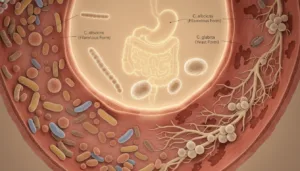
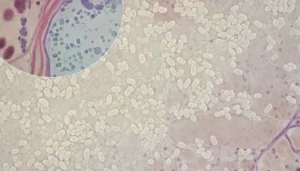
Fungal infections affect countless individuals annually, underlining the importance of gut health. One common issue is candidiasis, a complex fungal infection caused by over 20 species of yeasts in the genus Candida. Among these, Candida albicans is the most prevalent, accounting for about 50% of all cases.
When your natural microbial balance is disrupted, it can lead to candida overgrowth. This shift allows opportunistic organisms to thrive, resulting in various health issues. Recognizing the signs early is crucial, as untreated candidiasis can escalate into more severe conditions.
Causes and Symptoms You Should Know
- Candidiasis can colonize your mouth, skin, and gut.
- While Candida albicans is the most common culprit, other species like C. glabrata are increasingly responsible for persistent yeast issues.
- Common symptoms include white coatings on the tongue, intense itching, and digestive discomfort.
- Untreated candidiasis can lead to systemic issues that are much harder to manage.
Navigating Conventional Candida Treatments
When dealing with fungal infections, many people turn to conventional treatments. However, it’s essential to understand their limitations. Antifungal medications are commonly prescribed, but they can fall short in effectively managing recurring issues.
One significant factor is the role of antibiotics. These medications are often a leading cause of candidiasis. In fact, animal agriculture accounts for a staggering 80% of all antibiotic use in the U.S. This widespread use contributes to conditions that favor yeast overgrowth.
Taking broad-spectrum antibiotics can unintentionally harm beneficial bacteria. These good bacteria are crucial for keeping yeast populations in check. Unfortunately, antifungal drugs do not address the underlying factors that allow infections to thrive.
Many individuals find themselves facing recurrent issues after treatment. Understanding these limitations is vital. It highlights the importance of integrating a more holistic approach, including appropriate supplements, to support your recovery.
Antifungal Medications and Their Limitations
- Antifungal drugs may not effectively combat resistance.
- Antibiotic use significantly increases the risk of candidiasis.
- Broad-spectrum antibiotics can disrupt gut flora.
- Underlying factors for infections often remain unaddressed.
- A holistic approach is essential for lasting recovery.
| Factor | Impact on Health | Recommended Action |
|---|---|---|
| Antibiotic Use | Increases risk of yeast overgrowth | Limit unnecessary prescriptions |
| Antifungal Resistance | Reduces treatment effectiveness | Consider alternative therapies |
| Gut Flora Disruption | Leads to recurrent infections | Incorporate probiotics |
How Probiotics Can Enhance Your Candida Recovery
The recovery journey from fungal infections can be significantly enhanced with the right supplements. Probiotics play a crucial role in this process. They work by increasing the number and biodiversity of your gut microflora. This helps crowd out the space where yeast would otherwise thrive.
These beneficial bacteria can adhere to your host epithelial surfaces. This action creates a protective barrier against invading pathogens. By strengthening your intestinal barrier, probiotics help prevent the translocation of yeast from your gut into your bloodstream. This is a major risk for invasive infection.
You can think of these supplements as a way to restore the natural order of your microbiome. This restoration is essential for stopping the growth of Candida. Research shows that certain strains can actively suppress the formation of biofilms. These biofilms are protective structures that make yeast difficult to eliminate.
Mechanisms Behind Probiotic Action
- Increase gut microflora diversity to combat yeast.
- Create a protective barrier on epithelial surfaces.
- Strengthen the intestinal barrier to prevent infections.
- Restore microbiome balance to inhibit yeast growth.
- Suppress biofilm formation to enhance treatment effectiveness.
| Mechanism | Function | Benefit |
|---|---|---|
| Adhesion | Sticks to gut surfaces | Prevents pathogen invasion |
| Diversity | Increases beneficial bacteria | Crowds out harmful yeast |
| Barrier Strengthening | Enhances gut lining | Reduces infection risk |
For more insights on effective strains, check out this resource.
Benefits of Probiotic Supplementation After Candida Therapy
Completing antifungal therapy is just the beginning of your recovery journey. Your immune system needs support to regain its strength and effectively monitor your internal environment. This is where probiotic supplementation comes into play.
These beneficial bacteria are powerful tools for restoring the delicate balance of your gut, often disrupted after treatment. By improving microbiome diversity, probiotics help maintain the health of your mucosal linings, which serve as your first line of defense.
A well-supported immune system is much better at identifying and neutralizing yeast cells before they can form new colonies. Additionally, consistent use of these supplements ensures that your internal ecosystem remains resilient against the opportunistic nature of fungal pathogens.
Restoring Gut Balance and Immune Support
- Support your immune system post-therapy.
- Restore gut balance to prevent dysbiosis.
- Enhance microbiome diversity for better health.
- Strengthen defenses against yeast overgrowth.
- Maintain a resilient internal ecosystem.
Best Probiotics After Candida Treatment
Finding the right probiotic can significantly impact your recovery. Certain strains, particularly from the Lactobacillus and Bifidobacterium families, have shown promise in managing yeast infections. These beneficial bacteria help restore balance in your gut, which is crucial after undergoing treatment.
When selecting a probiotic, focus on specific strains that are scientifically proven to combat yeast. Your body thrives on multispecies and multistrain products, ideally containing around a dozen shelf-stable and gastric acid-resistant organisms. This diversity ensures that more beneficial bacteria reach your gut alive.
It’s essential to choose formulas that can survive the harsh stomach environment. Many effective options target both the gastrointestinal and genitourinary tracts, offering comprehensive support. Always check the label for the number of colony-forming units (CFU) to ensure you receive a potent dose that can truly make a difference.
| Probiotic Strain | Target Area | Benefits |
|---|---|---|
| Lactobacillus rhamnosus | Gut and urinary tract | Supports immune function |
| Bifidobacterium bifidum | Gut | Enhances digestion |
| Lactobacillus acidophilus | Gut | Balances gut flora |
Exploring Top Probiotic Strains for Candida Management
When it comes to managing yeast levels, understanding the role of specific bacteria is essential. Research into various probiotic strains has revealed that not all bacteria are equally effective at inhibiting the growth of Candida albicans in your system.
Lactobacillus rhamnosus is frequently highlighted for its unique advantages. This strain can prevent the formation of biofilms on your mucosal surfaces, which is crucial for maintaining gut health.
Other effective strains, such as L. fermentum 20.4, have demonstrated significant antifungal activity in laboratory settings. These strains make excellent additions to your regimen.
You should look for formulas that contain a diverse array of these beneficial bacteria. This diversity maximizes your chances of successfully managing yeast levels.
Understanding which specific strains work best allows you to make an informed decision when shopping for your next supplement.
The Role of Lactobacillus rhamnosus in Combating Candida
Lactobacillus rhamnosus is gaining attention for its unique ability to combat yeast infections. Specific strains like L. rhamnosus GR-1 and L. rhamnosus 5.2 have been identified for their anti-Candida properties.
This standout strain directly inhibits the ability of yeast to adhere to your epithelial cells. By preventing this initial adhesion, L. rhamnosus stops the infection from taking hold and spreading throughout your delicate mucosal tissues.
You will find that this specific strain is often included in high-quality supplements because of its proven track record in clinical and laboratory research. The presence of these beneficial bacteria helps to maintain a low pH environment, which is naturally hostile to the growth of Candida.
Incorporating L. rhamnosus into your daily routine is a proactive step you can take to protect yourself from the recurrence of yeast-related issues.
- Inhibits yeast adhesion to epithelial cells.
- Prevents the spread of infections.
- Included in many high-quality supplements.
- Maintains a low pH environment.
- Supports prevention of yeast-related issues.
Probiotic Strategies to Counter Candida Albicans
The battle against Candida albicans requires targeted strategies from effective probiotic strains. These strains employ various methods to inhibit yeast growth and support your recovery.
For instance, specific probiotics can secrete antimicrobial substances that directly target fungal cells. This action is crucial in reducing yeast populations in your gut.
Moreover, these strains compete for nutrients and physical space within your gastrointestinal tract. This competition is vital for keeping yeast growth in check.
Interestingly, some bacteria produce hydrogen peroxide, which acts as a natural antifungal agent. This helps maintain a healthy balance in your gut.
By disrupting the quorum sensing molecules that yeast use to coordinate their behavior, probiotics can prevent the formation of dangerous biofilms. These multifaceted strategies make probiotics a powerful ally in your ongoing efforts to prevent and manage recurring fungal infections.
The Science Behind Probiotic-Driven Gut Balance
Recognizing how lactic acid contributes to gut balance can empower your health journey. Lactic acid is produced by beneficial bacteria, particularly Lactobacilli strains. This production plays a fundamental role in maintaining a healthy gut environment.
The acid creates an environment that is unfavorable for yeast, effectively limiting their ability to proliferate and cause further issues in your system. Think of lactic acid as a natural preservative for your microbiome, keeping pH levels in a range that supports your overall health.
When your gut balance is restored, your body is much better equipped to handle daily challenges that might otherwise lead to overgrowth. Understanding this science helps you appreciate why choosing a supplement rich in lactic acid-producing bacteria is so beneficial for your long-term recovery.
Clinical Trials and Research Supporting Probiotic Use
Emerging evidence supports the role of probiotics in minimizing the risk of infections. Recent research has provided compelling insights into how these beneficial bacteria can impact health outcomes.
For instance, a recent analysis of seven studies found that using probiotics for premature infants was linked to a remarkable 57% reduction in the risk of Candida infections. This is significant for vulnerable populations.
In a randomized clinical trial, only 7.2% of participants taking probiotics experienced recurrent candidiasis, compared to 35.5% in the placebo group. This highlights the effectiveness of these supplements in managing yeast-related issues.
Moreover, studies involving older adults consuming probiotic cheese showed a 32% reduction in Candida levels in their saliva. This indicates that dietary sources of probiotics can also be beneficial.
With over 16,600 articles on PubMed discussing probiotics, the scientific community is increasingly recognizing their role in managing various fungal infections. These real-world applications confirm that incorporating these supplements into your recovery plan is a scientifically backed choice.
- Recent research shows a 57% reduction in Candida infection risk for premies.
- Only 7.2% of the probiotic group had recurrent candidiasis compared to 35.5% in the placebo group.
- Probiotic cheese consumption led to a 32% reduction in Candida in older adults.
- Over 16,600 articles on PubMed emphasize the significance of probiotics.
- Real-world results support the use of these supplements in recovery.
| Study Type | Findings | Population |
|---|---|---|
| Analysis of Studies | 57% reduction in Candida risk | Premature infants |
| Randomized Clinical Trial | 7.2% recurrence in probiotics | General population |
| Dietary Study | 32% reduction in saliva Candida | Older adults |
Tips for Choosing the Right Probiotic Supplement
Choosing the right supplement can make a world of difference in your health journey. When selecting a probiotic, aim for a product that features multiple strains. This variety ensures comprehensive coverage for your body and its unique needs.
It’s essential to pick a formula that is shelf-stable. This quality guarantees that the bacteria remain alive and active until you’re ready to take them. Additionally, consider products that use enteric coating or similar technologies. These features protect the bacteria from the harsh acids in your stomach.
Another important step is to check the manufacturer’s reputation. This can help you ensure that the product meets high standards for quality and potency. Taking control of your health starts with selecting the right tools, and a high-quality probiotic is one of the best investments you can make.
- Look for a wide variety of probiotic strains.
- Select shelf-stable formulas for maximum effectiveness.
- Prioritize products with enteric coating for better survival in the stomach.
- Research the manufacturer’s reputation for quality assurance.
- Invest in high-quality probiotics to support your health.
| Key Factor | Importance | Recommendation |
|---|---|---|
| Strain Variety | Ensures comprehensive gut coverage | Choose multispecies products |
| Shelf Stability | Maintains bacterial viability | Look for shelf-stable options |
| Enteric Coating | Protects bacteria from stomach acid | Opt for coated formulas |
Integrating Probiotics with Your Candida Treatment Plan
Incorporating beneficial bacteria into your health regimen can greatly enhance your recovery. Probiotics are typically taken as oral tablets or liquid drinks. These supplements help increase the number and diversity of gut microflora, which is crucial for maintaining balance.
To effectively integrate these supplements into your treatment plan, consistency is key. You should take them as directed by your healthcare provider or according to the product label. It’s often beneficial to consume probiotics with meals. This helps the bacteria survive their journey through your digestive tract.
Many people find that they need to use these supplements for several weeks or even months before noticing significant improvements in their symptoms. If you are currently on antifungal medication, consult your doctor about the best timing for taking probiotics. This ensures that the beneficial bacteria are not neutralized by the medication.
Remember, patience is essential when working to restore your internal balance. Your body needs time to adapt to the influx of beneficial bacteria.
- Integrate probiotics consistently as recommended.
- Take them with meals for better survival in the gut.
- Expect several weeks of use before noticing improvements.
- Consult your doctor if taking antifungal medication.
- Be patient as your body adjusts to the new bacteria.
| Action | Recommendation | Reason |
|---|---|---|
| Take Consistently | Follow healthcare provider’s advice | Ensures effectiveness |
| With Meals | Consume during meals | Enhances survival through digestion |
| Monitor Duration | Use for several weeks | Time needed for noticeable effects |
Diet, Lifestyle, and Enhancing Probiotic Efficacy
Your dietary choices significantly influence your recovery from fungal infections. Diets high in carbohydrates and sugar are risk factors for gut candidiasis, as they fuel fungal growth. Reducing your intake of sugar and refined carbohydrates can help starve the yeast.
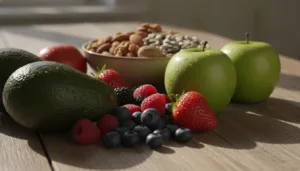
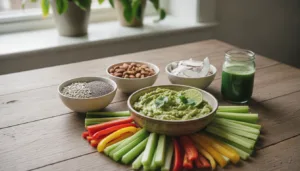
High alcohol consumption is another factor that disrupts your gut microbiome. It impairs immune function, creating an environment where Candida can easily thrive. By focusing on whole foods and fiber-rich vegetables, you can reduce systemic inflammation and provide the fuel your beneficial bacteria need to flourish.
Additionally, lifestyle changes like managing stress and getting enough sleep are vital for supporting your body during recovery. When you combine a healthy diet with your probiotic regimen, you create the best possible conditions for long-term success and wellness.
| Factor | Impact on Recovery | Recommended Action |
|---|---|---|
| Sugar Intake | Feeds yeast growth | Reduce consumption |
| Alcohol Consumption | Disrupts gut microbiome | Limit intake |
| Whole Foods | Supports beneficial bacteria | Increase intake |
Managing Yeast Infections and Inflammation Naturally
You can take control of yeast infections by implementing simple, natural strategies. Candida thrives in warm, moist environments, often colonizing the mouth, gastrointestinal tract, skin, and vaginal mucosa. By addressing these factors, you can significantly improve your recovery.
Start by keeping skin folds dry and clean. This helps manage a yeast infection naturally, as moisture creates an ideal breeding ground for the fungus. Incorporating anti-inflammatory foods into your diet can also reduce inflammation, allowing your immune system to focus on clearing the infection.
Avoid wearing tight clothing that traps moisture. This simple change can prevent yeast from growing on your skin. If you are prone to recurrent infections, consider natural hygiene practices that maintain the delicate balance of your microbiome.
By taking a holistic approach to your health, you support your body’s natural ability to heal. Remember, “A healthy body is a resilient body.” This mindset can help you prevent future issues from arising.
Complementary Lifestyle Changes to Support Recovery
- Keep skin folds dry and clean to prevent fungal growth.
- Incorporate anti-inflammatory foods to boost your immune system.
- Avoid tight clothing that traps moisture.
- Use natural hygiene practices to maintain microbiome balance.
- Take a holistic approach to support healing and prevent future infections.
Supplements and Products: What to Look For
The right supplements can play a pivotal role in restoring balance to your gut. When shopping for effective options, consider products like Renew Life Ultimate Flora Women’s Complete Probiotic. This supplement includes eight strains that are known to combat yeast overgrowth.
Garden of Life Dr. Formulated Once Daily Women’s Probiotics is another excellent choice. It provides 40 billion live Lacto cultures and 10 billion live Bifido cultures, which are crucial for your gut health.
If you need something convenient for travel, Webber Naturals Probiotic 30 Billion is a shelf-stable, eight-strain formula that fits the bill perfectly.
- Look for products like Renew Life Ultimate Flora, which contains multiple strains effective against yeast.
- Garden of Life offers excellent options with billions of live bacteria, crucial for restoring gut health.
- Webber Naturals is great for those needing a shelf-stable formula while traveling.
- Ensure the product has a high count of live bacteria for a meaningful impact on your digestive tract.
- Reading labels carefully will help you identify the best products for your health goals.
Conclusion
Restoring your internal balance is crucial for optimal health and well-being. By choosing the right probiotic strains, you can actively inhibit the growth of yeast and protect your long-term health. Remember that consistency is vital, and integrating these supplements with a healthy diet will yield the best results for your recovery.
You are now equipped with the knowledge to make informed decisions about the products and lifestyle changes that will keep you feeling your best. Taking these proactive steps today will help you maintain a resilient microbiome and prevent the recurrence of unwanted fungal infections in the future.