You might be surprised to learn that a common issue affects many people across the United States. This condition often leads to discomfort and health challenges. Research by Miranda et al. in 2009 revealed that blood isolates of Candida albicans frequently originate from strains found in the rectum. This highlights the importance of understanding how these infections develop.
Understanding the root causes is the first step toward reclaiming your health. It allows you to feel like yourself again. This guide will explore how this yeast functions and why it sometimes escapes its normal niche to cause systemic health challenges.
We will also look at how your environment influences the behavior of these organisms. You can take actionable steps to manage your symptoms and prevent recurrence. Restoring balance is key to feeling better.
Key Takeaways
- This issue is more common than you might think.
- Research shows a link between blood and rectal isolates.
- Understanding causes is crucial for recovery.
- Environmental factors play a significant role.
- Actionable steps can help manage symptoms.
Table of Contents
ToggleUnderstanding Candida Overgrowth in the Gut
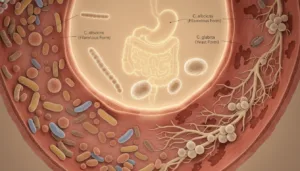
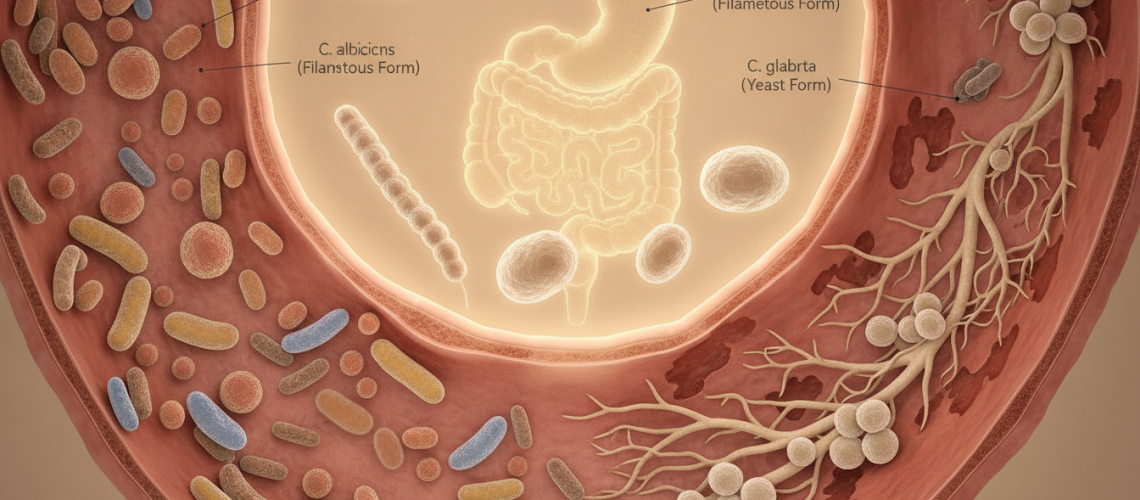
This common health concern affects countless individuals, often without their awareness. Candida albicans is a type of yeast that naturally resides in your body, particularly in the mouth, skin, and digestive tract. In a healthy state, this organism coexists peacefully with other bacteria, playing a neutral role in your daily health.
However, when the balance of your microbiome shifts, this yeast can multiply unchecked. This leads to an overgrowth that can affect your entire body. Research shows that Candida albicans is a leading cause of fungal infections, impacting millions annually.
When this overgrowth occurs, it can interfere with digestion, nutrient absorption, and even your mood. Additionally, it may weaken your immune system. Understanding how this organism functions is crucial for recognizing when it becomes problematic and requires targeted treatment.
Conditions like a weakened immune system can increase your risk of a full-blown infection. By maintaining a healthy balance of gut flora, you can help control the levels of this yeast and prevent it from causing disease.
Causes Behind Candida Overgrowth
Many individuals unknowingly face a prevalent health issue that impacts their daily lives. Several factors contribute to an imbalance that allows yeast to thrive. Understanding these causes is crucial for effective management and treatment.
Your daily habits, particularly your diet, play a significant role. Diets high in sugar and refined carbohydrates provide the perfect fuel for yeast to flourish. This can lead to symptoms that disrupt your health.
Antibiotic use is another major trigger. These medications can kill off beneficial bacteria that usually keep yeast levels in check. When this balance is disrupted, the risk of infection increases.
Other factors, such as hormonal birth control and high stress levels, can also lead to an imbalance. Poor sleep hygiene and frequent travel routines can further burden your immune system, making it easier for yeast to multiply.
| Trigger | Effect on Yeast | Potential Solutions |
|---|---|---|
| High Sugar Diet | Feeds yeast | Reduce sugar intake |
| Antibiotics | Kills beneficial bacteria | Use probiotics |
| Stress | Weakens immune system | Practice stress management |
By identifying these specific causes, you can take proactive steps to reset your microbiome and support your long-term digestive health.
Recognizing the Signs and Symptoms
A surprising number of people experience a health issue that often goes unnoticed. Understanding the signs and symptoms can help you identify when something might be wrong. Common indicators can manifest in various ways, affecting both your physical and mental well-being.
Common Physical and Digestive Symptoms
- You might notice digestive issues like bloating, gas, constipation, or diarrhea when your gut balance is disrupted.
- Sudden fatigue and brain fog can significantly impact your daily energy levels and mental clarity.
- Skin problems, including acne, rashes, or persistent itchiness, may indicate that yeast is affecting your health.
- If you see white, bumpy patches in your mouth or throat, you could be dealing with oral thrush.
- Recurring genital or urinary tract infections are another sign, as yeast is often present in the vaginal tracts of many females.
- You may experience strong sugar cravings, which can suggest that yeast is influencing your appetite.
- Mood shifts, such as anxiety or irritability, are increasingly linked to gut health and microbial imbalances.
- Since these symptoms overlap with other health concerns, tracking them is essential for identifying the root cause.
The Role of the Immune System and Inflammation
Many people may not realize how closely linked their immune system is to their digestive health. Roughly 70-80% of immune cells reside in your body’s digestive tract. This means that maintaining a healthy balance of bacteria is crucial for your overall immune resilience.
When yeast levels rise, it can weaken your gut lining. This leads to low-grade inflammation, which can burden your immune system. Research indicates that inflammation may promote fungal colonization, creating a vicious cycle in your body.
For instance, elevated levels of the pro-inflammatory cytokine IL-17 are linked to inflammatory bowel disease and gastrointestinal yeast colonization. By restoring microbial balance, you can enhance your gut health and improve your immune system’s ability to fend off infections.
| Factor | Impact on Immune System | Management Strategies |
|---|---|---|
| Yeast Overgrowth | Weakens gut lining | Probiotics, diet changes |
| Chronic Inflammation | Hinders healing | Reduce sugars, stress management |
| Microbial Balance | Strengthens immunity | Incorporate fiber, healthy fats |
Understanding this connection helps you see why managing your immune health is a critical part of your recovery journey.
The Connection Between Candida and GI Disorders
Many people are unaware of the link between yeast and gastrointestinal disorders. Recent studies have revealed that yeast levels can significantly impact conditions like ulcerative colitis and Crohn’s disease. In fact, research indicates that high colonization rates are often found in patients with these inflammatory bowel diseases.
For example, a study showed that 86% of patients with ulcerative colitis had detectable yeast levels in their stool. In animal models, the presence of Candida albicans was shown to delay the healing of ulcers and worsen colonic damage. This suggests that addressing yeast levels could be crucial for those with chronic GI issues.
Here are some key findings:
- High yeast colonization is frequently detected in patients with ulcerative colitis.
- Animal studies show that yeast can exacerbate inflammatory lesions.
- Reducing fungal levels may support healing and reduce inflammation.
| Condition | Yeast Presence | Impact |
|---|---|---|
| Ulcerative Colitis | High levels | Delays healing |
| Crohn’s Disease | Detected | Exacerbates symptoms |
| General GI Health | Varies | Can worsen inflammation |
By understanding the role of yeast, you can take proactive steps to support your digestive health and overall well-being.
Identifying Candida Infections at Home
Recognizing the signs of a common health issue can empower you to take action. Self-monitoring is essential for understanding your body’s signals. By paying attention to symptoms, you can identify potential infections early.
Start by observing for common signs such as persistent itching, digestive discomfort, or unexplained fatigue lasting several days. If you suspect an infection, keep a journal to track your symptoms. Note any patterns related to your diet or stress levels.
It’s crucial to seek professional help if your symptoms are severe, recurrent, or do not improve with simple lifestyle changes. Individuals with diabetes or a weakened immune system should consult a doctor at the first sign of trouble.
A healthcare professional can perform advanced tests, like GI mapping, to accurately identify any overgrowth. Do not ignore symptoms that persist, as they could indicate a deeper issue requiring targeted treatment.
Remember, about 1.4 million people in the United States visit a doctor annually for yeast infections. You’re not alone in this. Getting a professional diagnosis ensures that you address the root cause rather than just masking symptoms with home remedies.
| Symptom | Action | Notes |
|---|---|---|
| Persistent Itching | Monitor and document | May indicate infection |
| Digestive Discomfort | Adjust diet | Track food intake |
| Unexplained Fatigue | Consult a doctor | Consider underlying issues |
Treatment Options for Candida Overgrowth
It’s essential to understand that many people face a health challenge that often goes unrecognized. Fortunately, there are various treatment options available to help restore balance in your body.
Doctors may prescribe antifungal medications like fluconazole or nystatin to clear infections. The choice depends on the severity and location of the issue. Additionally, natural remedies can be effective.
For instance, coconut oil is rich in lauric acid, which has shown promise in fighting yeast. Garlic is another powerful option, containing antifungal compounds that can help combat infections.
Incorporating probiotics into your routine can also be beneficial. Strains like Lactobacillus and Saccharomyces boulardii can help reduce yeast growth and support your gut health.
Research continues to explore other potential treatments, such as curcumin and xylitol, which may inhibit yeast growth. Treatment duration varies; some cases clear quickly, while others may require ongoing therapy.
Always consult your healthcare provider before starting any new treatment plan to ensure it’s appropriate for your needs. Combining medical and natural approaches can enhance your recovery and prevent future issues.
Using Probiotics and Gut Health Strategies
A significant number of individuals struggle with a health issue that often remains unnoticed. One effective approach to address this is by rebalancing your gut flora. This strategy is fundamental for long-term health, as it helps keep the population of harmful bacteria in check.
Probiotics, such as Lactobacillus acidophilus, have shown promise in reducing symptoms of conditions like ulcerative colitis in clinical studies. By introducing beneficial bacteria, you create an environment where yeast struggles to survive and multiply, effectively restoring your internal balance.
You can enhance your intake of these helpful microbes by incorporating fermented foods like unsweetened yogurt with live cultures or kefir. Consistent use of high-quality probiotic supplements can also support your gut in recovering from the effects of an overgrowth.
It’s important to choose supplements vetted by nutritionists to ensure they are effective for your needs. These strategies work best when combined with a diet that limits sugars and refined carbs, which typically feed yeast.
| Strategy | Benefit | Examples |
|---|---|---|
| Probiotics | Reduces symptoms | Lactobacillus, Saccharomyces |
| Fermented Foods | Boosts beneficial bacteria | Yogurt, kefir |
| Diet Changes | Limits yeast growth | Reduce sugars, refined carbs |
Over time, these changes help you build a resilient microbiome that supports your brain, hormones, and overall immune system function.
Managing Candida “Die-Off” Symptoms
It’s common for individuals to encounter discomfort as they embark on their path to wellness. When starting treatment, you may experience a die-off reaction. This occurs when dying yeast releases mycotoxins into your system. The result can be temporary headaches, nausea, and fatigue.
Common symptoms of this discomfort include:
- Headaches
- Nausea
- Mild digestive upset
- Body aches
- Skin breakouts
To ease this discomfort, staying well-hydrated is essential. Proper hydration helps your body flush out toxins more efficiently. Incorporating liver-support foods like leafy greens, beets, and lemon water can also assist your body in processing waste products.
Gentle movement, such as walking or yoga, supports your circulation and detoxification pathways. If symptoms feel overwhelming, consider making dietary changes gradually. This approach gives your system time to adjust to the shift.
Rest and sleep are vital during this time. They allow your body to recover and repair from the effects of the infection. Remember, this reaction is usually temporary and indicates that your treatment plan is effectively reducing yeast levels.
Preparing an Effective Anti-Candida Diet
It’s interesting to note that a considerable portion of the population faces this health issue without even knowing it. One of the most effective ways to combat this condition is through dietary changes. An anti-Candida diet can help restore balance in your body and alleviate uncomfortable symptoms.
Start by incorporating beneficial foods that support your recovery:
- Lean Proteins: Focus on organic poultry, wild-caught fish, and eggs to provide essential nutrients.
- Non-Starchy Vegetables: Fill your plate with leafy greens, broccoli, cauliflower, and Brussels sprouts to support digestive health.
- Healthy Fats: Include avocado, olives, and coconut oil to maintain energy levels without feeding the yeast.
- Antifungal Herbs: Use garlic, oregano, turmeric, and ginger to flavor your meals while fighting the infection.
- Low-Sugar Fruits: Enjoy green apples and berries in moderation to satisfy cravings without causing a spike in yeast.
Conversely, avoid foods that promote the growth of yeast:
- Added sugars, alcohol, and soda.
- Refined grains and processed meats.
Making these dietary shifts is one of the most effective ways to restore balance and alleviate symptoms like fatigue and digestive issues. For more guidance, consider using the Anti-Candida Food Plan PDF by the Institute for Functional Medicine. This resource can help you find foods that are safe and nutritionally balanced.
Lifestyle Adjustments for Sustainable Gut Health
Many people overlook the fact that simple lifestyle adjustments can enhance their digestive well-being. Making conscious choices can significantly impact your overall health, especially regarding the balance of your microbiome.
Stress management is crucial, as high stress can shift your microbiome and weaken your immune system’s ability to fight yeast. Prioritizing sleep hygiene ensures that your body has the time it needs to repair and maintain the balance of your internal flora.
Stress Management and Sleep Hygiene
- Incorporate stress management practices like meditation or breathwork into your daily routine.
- Consistent daily routines help stabilize your body’s systems, making it harder for opportunistic organisms to gain a foothold.
- Even small, mindful lifestyle shifts can have a significant impact on your digestion, mood, and overall energy levels over the long run.
- Tracking your progress in a journal allows you to spot improvements and see how your lifestyle changes are affecting your health.
- Staying consistent with hydration and sleep is a simple yet powerful way to keep your body resilient against future infections.
- By addressing these lifestyle factors, you create a sustainable environment that supports your gut health and prevents recurring issues.
Candida overgrowth in the gut: A Step-by-Step How-To Guide
It’s crucial to recognize that a widespread health issue impacts many people daily. Starting your recovery can feel overwhelming, but taking small steps can lead to significant improvements. By focusing on your diet and lifestyle, you can begin to regain balance.
First, pay attention to how specific foods affect your digestion, mood, and energy levels. Keeping a journal can help you identify patterns and triggers. Gradual dietary changes are more sustainable than drastic overhauls.
Stay consistent with hydration and sleep habits. These are essential for your body to heal effectively. Incorporating stress management practices, like meditation or breathwork, can also help calm your nervous system.
After a few weeks, reassess your symptoms. If they persist, consider seeking support from a functional medicine provider. They can run advanced tests to identify root causes and create a personalized plan.
Remember, healing is a journey. Small, consistent steps will lead you back to optimal health and balance.
Conclusion
Taking charge of your health is within reach! You may not realize that a widespread health concern affects many people without their knowledge. Healing your body from yeast-related issues is achievable through the right nutrition and mindful lifestyle adjustments.
By addressing root causes like diet and stress, you can restore balance to your microbiome and enhance your overall health. Remember, consistency is key. Even small changes can lead to significant improvements in your energy and digestion.
If symptoms persist, don’t hesitate to consult a healthcare professional for a tailored recovery plan. Taking control of your gut health today will empower you to maintain optimal wellness for the long term. For more guidance, explore the Candida Meal Plan that offers structured dietary choices to support your journey.