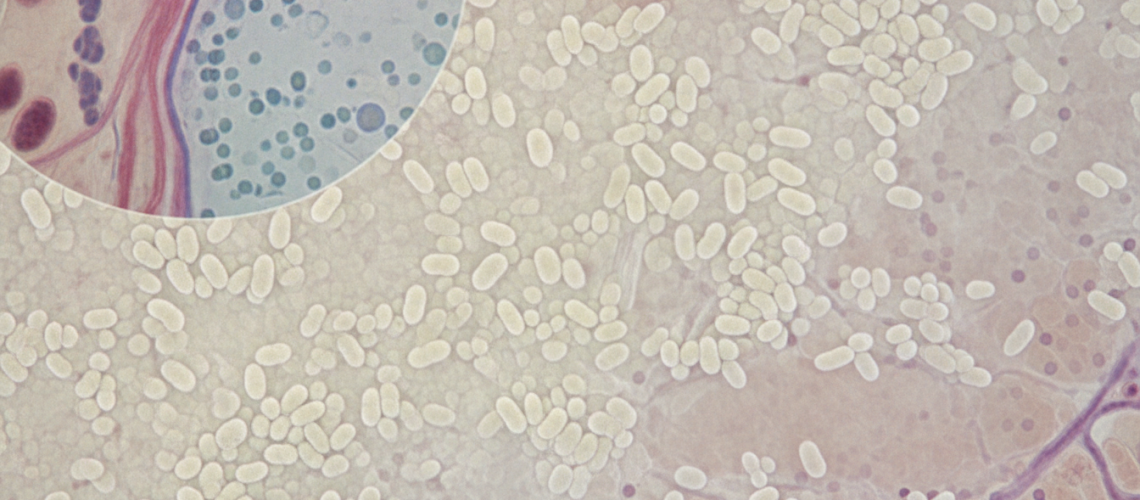
Understanding the complexities of Candida biofilm is crucial for anyone looking to manage their health effectively. These resilient fungal colonies can lead to persistent infections, often making treatment challenging. In this article, you will discover how these microorganisms contribute to hospital-acquired infections, frequently surpassing other pathogens in prevalence.
By exploring the causes and symptoms associated with these infections, we aim to highlight their significance as a public health concern. This guide will equip you with actionable treatment tips to combat these stubborn infections. With insights drawn from the latest research, we will clarify how these complex communities develop and why they pose a significant challenge for healthcare professionals today.
Key Takeaways
- Learn how Candida biofilm acts as a major agent of hospital-acquired infections.
- Understand the primary causes and symptoms of these infections.
- Discover why these infections are a significant public health concern.
- Get actionable treatment tips to manage your health effectively.
- Explore the latest research on the development of these infections.
Table of Contents
ToggleIntroduction and Scope
Exploring the structured nature of these microorganisms reveals their impact on health. This article focuses on how certain species form complex communities on various surfaces. Understanding these formations is crucial, especially for immunocompromised patients who are at greater risk in hospital settings.
These infections are increasingly recognized as a significant threat. The unique biological characteristics of these fungal communities make them much harder to eliminate than individual yeast cells. You will learn how the initial attachment of yeast leads to the complex maturation of the matrix over time.
Our aim is to provide a comprehensive overview that connects laboratory research with practical clinical management strategies. As you navigate through this article, you’ll gain insights into the challenges and solutions associated with these persistent infections.
What is Candida Biofilm?
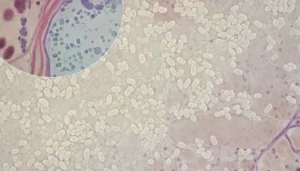
The intricate world of microorganisms plays a significant role in health management. A biofilm is defined as a complex community of microorganisms, such as yeast, that are enclosed in an exopolysaccharide matrix on various surfaces. This structure is crucial for their survival and growth.
Unlike planktonic growth, where cells exist individually in suspension, biofilm cells display altered phenotypes. These changes provide significant survival advantages in hostile environments. Research indicates that most microorganisms prefer to grow in structured communities rather than as individual cells.
These communities offer protection from environmental threats, enhance nutrient availability, and facilitate metabolic cooperation. Individual cells simply cannot achieve these benefits alone. The transition from planktonic growth to a sessile biofilm state is a critical step that triggers the expression of specific genes for survival.
| Characteristic | Biofilm | Planktonic Growth |
|---|---|---|
| Structure | Complex, structured community | Individual cells in suspension |
| Survival Advantage | Enhanced protection and cooperation | Vulnerable to environmental stress |
| Nutrient Access | Optimized nutrient sharing | Limited to individual cell uptake |
| Gene Expression | Specific genes activated for survival | Standard gene expression |
Candida biofilm: Causes, Symptoms, and Treatment Approaches
The role of certain fungi in health is more significant than you might think. One common manifestation is oral denture stomatitis, which affects about 65% of edentulous individuals. This condition arises due to the colonization of fungi in the mouth, often linked to poorly fitting dentures.
If the biofilm detaches from an indwelling catheter, symptoms can escalate. You might experience localized mucosal inflammation or even systemic septicemia. The primary cause of these infections lies in the fungus’s ability to adhere to prosthetic materials and host tissues.
Treatment approaches typically require a combination of mechanical removal and antifungal therapy. This is essential because the biofilm structure offers protection against standard medications. Recognizing the early symptoms of a fungal infection is vital for preventing the progression of these persistent conditions.
| Symptom | Description | Severity |
|---|---|---|
| Localized Inflammation | Redness and swelling in the affected area | Moderate |
| Systemic Septicemia | Severe infection affecting the bloodstream | High |
| Oral Discomfort | Pain or discomfort while eating or speaking | Moderate |
Understanding these symptoms can help you seek timely treatment. For more insights on recognizing fungal overgrowth, check out this helpful resource.
Insights into Biofilm Formation and Development
The fascinating process of how microorganisms develop complex communities is essential to understanding their behavior. Biofilm formation occurs in distinct stages, starting with the adherence of a single yeast cell to a surface. This initial step lays the groundwork for the entire community.
During the early phase, which lasts from 0 to 11 hours, cells begin to project outward. They grow into filamentous hyphal structures, crucial for maintaining the biofilm’s structural integrity. This transition marks the beginning of a more complex community.
As the biofilm matures, typically between 38 and 72 hours, it develops a dense network of yeasts, hyphae, and extracellular matrix material. This intricate setup enhances the community’s resilience. Finally, the dispersal process occurs, where non-adhering yeast cells detach from the mature biofilm. They seek new, favorable sites for attachment and colonization.
Understanding these developmental stages is vital. The resistance of the community increases significantly as it matures over the incubation period, making it more challenging to treat.
Understanding Antifungal-Drug Resistance in Biofilms
The mechanisms behind antifungal resistance are critical to understanding treatment challenges. This issue is especially prevalent in immunocompromised populations, where the incidence of systemic fungal infections has drastically increased.
One major factor is the upregulation of multidrug efflux pumps, such as those encoded by the CDR1 and CDR2 genes. These pumps enable biofilm cells to survive even in the presence of antifungal agents.
It’s important to note that resistance can be classified as primary or secondary. Primary resistance occurs when the organism is resistant before exposure, while secondary resistance develops during treatment.
Research indicates that mRNA levels for efflux pump genes are significantly higher in sessile biofilm cells compared to their planktonic counterparts. This complexity means that even mutant strains lacking efflux pumps can still exhibit resistance when grown as a biofilm.
| Type of Resistance | Description | Example |
|---|---|---|
| Primary Resistance | Resistance before exposure to treatment | Initial infection resistant to antifungals |
| Secondary Resistance | Resistance that develops during treatment | Infection becomes resistant after therapy |
| Efflux Pump Activity | Increased activity in biofilm cells | Cells survive despite antifungal exposure |
Antimicrobial Strategies Against Biofilm Infections
In the fight against persistent infections, understanding treatment options is essential. Conventional therapies often rely on polyenes like amphotericin B. While effective, these agents can lead to serious side effects, including nephrotoxicity.
On the other hand, novel antifungal agents, particularly echinocandins such as caspofungin and micafungin, present promising alternatives. These drugs target resistant strains effectively, providing new hope for patients. Notably, studies show that 100% of C. dubliniensis clinical isolates were susceptible to the new echinocandin derivative LY303366, indicating a potential breakthrough in treatment.
Given that infections associated with biofilm are often resistant to standard therapies, researchers are prioritizing the development of drugs that specifically target these complex communities. The unique mechanism of echinocandins, which inhibit 1,3-β-D-glucan synthesis, results in lower toxicity to human cells compared to older antifungal agents.
| Type of Treatment | Agents | Effectiveness |
|---|---|---|
| Conventional | Polyenes (e.g., Amphotericin B) | Fungicidal but nephrotoxic |
| Novel | Echinocandins (e.g., Caspofungin) | Effective against resistant strains |
| Emerging | LY303366 | 100% susceptibility in C. dubliniensis |
The Role of the Extracellular Matrix in Candida Infections
Understanding the components of the extracellular matrix is vital for grasping its impact on infections. This matrix is not just a structural feature; it plays a critical role in the survival of microbial communities.
The extracellular matrix of these microorganisms is composed of:
- 55% glycoproteins: Essential for the structural stability of the community.
- 25% carbohydrates: Specifically, α-mannan and β-1,6-glucan enhance resilience against environmental stressors.
- 15% lipids and 5% nucleic acids: These components contribute to the overall functionality of the matrix.
The biofilm matrix acts as a protective barrier that guards adherent cells against the host immune system and the penetration of antifungal agents. Additionally, the presence of extracellular DNA within the matrix significantly contributes to the stability of the biofilm.
By binding to antifungal drugs, the matrix components effectively lower the concentration of medication that reaches the deeper layers of the fungal community. This characteristic poses a challenge in treating infections effectively.
Genetic Factors and Quorum Sensing in Biofilm Development
Delving into the genetic landscape reveals crucial insights into how these microorganisms thrive. Genetic regulation is a cornerstone of biofilm development. Key transcription factors, such as Bcr1, are essential for the attachment of fungal cells to surfaces.
Quorum sensing plays a vital role in this process. It is a density-dependent communication mechanism where signal molecules, like farnesol, are released to regulate gene expression within the community. This discovery has highlighted how cells coordinate their behavior to enhance biofilm formation and pathogenesis.
Moreover, various proteins, including those in the ALS family, are differentially regulated during the transition from planktonic growth to the sessile state. These genetic factors work together to regulate the expression of virulent genes, directly impacting the survival and resistance of the fungal community.
Impact of Medical Devices on Biofilm Formation
Medical devices can create environments that foster the growth of resilient microbial communities. These devices often serve as ideal surfaces for the attachment of microorganisms, leading to persistent infections.
Several factors influence how infections develop around these devices:
- Indwelling medical devices: Items like central venous and hemodialysis catheters are prime locations for complex biofilm communities to thrive.
- Surface characteristics: The roughness and hydrophobicity of biomaterials significantly affect how easily yeast cells can attach and initiate biofilm formation.
- Conditioning films: Once implanted, devices become coated with body fluids, which promote fungal adhesion and biofilm development.
- Contamination risks: Peri-operative contamination during surgeries is a major cause of device-associated infections that are difficult to treat.
- Preventive measures: Since these devices are essential in modern medicine, preventing biofilm formation is crucial for reducing hospital-acquired infection rates.
Natural Compounds with Antibiofilm Activity
Natural compounds offer promising solutions for combating persistent microbial infections. Among these, curcumin stands out for its impressive ability to suppress biofilm formation. When applied just four hours after inoculation, it can reduce biofilm by 50%. This compound is safe at oral doses of 8-12 grams per day, making it a viable option for long-term use.
Research shows that curcumin interferes with the expression of adhesion-associated genes, such as ALS3. This gene is crucial for the initial attachment of yeast cells. Additionally, thymol, a phenolic compound, is effective in eliminating mature biofilm communities. It also reduces the viability of embedded fungal cells.
These natural compounds are being explored for their synergistic effects when combined with conventional antifungals. This approach aims to lower toxicity and improve treatment outcomes. Curcumin, in particular, is a promising candidate for developing new, non-toxic antibiofilm therapies.
| Compound | Activity | Notes |
|---|---|---|
| Curcumin | Suppresses biofilm by 50% | Safe at 8-12 g/day |
| Thymol | Eliminates mature biofilm | Reduces viability of cells |
| Combined Therapies | Synergistic effects | Lower toxicity |
Innovative Drug Delivery Platforms for Treating Biofilms
Innovative approaches in drug delivery are transforming the treatment landscape for stubborn infections. Researchers are developing advanced systems to enhance the effectiveness of natural compounds against resistant fungal biofilms. One such example is the use of curcumin-loaded chitosan nanoparticles, which aim to improve the clinical application of these compounds.
These innovative systems address challenges like poor water solubility and low oral bioavailability. By coating medical devices with these nanoformulations, scientists can prevent the initial adhesion of yeast cells and halt biofilm formation before it starts.
Lipid-based systems, such as sophorolipids, serve as surfactants, delivering hydrophobic molecules directly to the site of infection. Furthermore, the combination of graphene oxide with curcumin and polyethylene glycol has shown significant promise in reducing fungal proliferation and biofilm thickness in laboratory settings.
Research Studies and Evidence-Based Findings
Emerging research provides valuable data on the activity and development of microbial biofilms. Evidence-based studies, such as the one by Ramage et al., confirm that efflux pump genes are significantly upregulated during the biofilm mode of growth. This highlights how these genes contribute to resistance against treatments.
Recent studies have utilized XTT reduction assays to measure the metabolic activity of cells within a biofilm. These assays reveal changes in color that correlate with the health of the biofilm community. Findings from various laboratory models indicate that the progression of drug resistance is directly linked to the metabolic maturation of these communities.
Additionally, transcriptional analyses have shown that treatment with natural compounds can suppress the expression of key adhesion-related genes like ALS1 and ALS3. This research is essential for identifying new molecular targets that can disrupt the structural integrity of mature microbial communities.
| Study | Focus | Key Findings |
|---|---|---|
| Ramage et al. | Efflux Pump Genes | Upregulation during biofilm growth |
| XTT Reduction Assays | Metabolic Activity | Color changes indicate health |
| Transcriptional Analyses | Natural Compounds | Suppression of adhesion genes |
Clinical Challenges in Managing Candida Infections
The management of fungal infections presents significant challenges for healthcare providers. These infections affect over 1.5 billion people globally and are responsible for approximately 1.5 million deaths each year.
The primary clinical issue is that mature biofilms are much more resistant to standard antifungal treatments than individual cells. This often leads to frequent treatment failures.
Immunocompromised patients, such as those with cancer or HIV, are especially vulnerable to these infections. They often require long-term and aggressive antifungal management.
Clinicians also face the added difficulty of treating polymicrobial biofilms. Here, Candida interacts with various bacterial species, complicating both prognosis and therapy choices.
Furthermore, the emergence of multidrug-resistant strains highlights the urgent need for new, effective, and affordable treatment options to manage these life-threatening infections.
| Clinical Challenge | Description | Impact |
|---|---|---|
| Resistance to Treatment | Mature biofilms resist standard antifungal therapy | Frequent treatment failures |
| Vulnerability of Patients | Immunocompromised individuals require aggressive management | Higher risk of severe infections |
| Polymicrobial Infections | Interactions with bacterial species complicate treatment | Increased complexity in therapy |
Future Directions in Antifungal Biofilm Treatment
The future of antifungal treatments is evolving rapidly, with new strategies on the horizon. Research is increasingly focusing on developing natural compounds as effective antibiofilm agents. These compounds aim to tackle multi-drug-resistant infections effectively.
Here are some key areas of focus:
- Novel agents: Future directions in antifungal treatment focus on creating agents that can penetrate the biofilm matrix and eliminate persister cells within the community.
- In-depth studies: Research priorities include conducting more in-depth in vitro toxicology and animal experiments to confirm the safety and efficacy of new antibiofilm therapeutic platforms.
- Photodynamic therapy: Scientists are exploring the potential of combining photodynamic therapy with natural compounds to eliminate mature biofilms without causing toxicity to human cells.
- Preemptive practices: There is a growing need for practices that target planktonic cells to inhibit the early development of biofilms on high-risk medical devices.
- New therapies: The ultimate goal is to create a new generation of therapies that can successfully manage infections caused by multi-drug-resistant strains in clinical settings.
| Focus Area | Description | Goal |
|---|---|---|
| Novel Agents | Develop agents that penetrate biofilm | Eliminate persister cells |
| In-depth Studies | Conduct toxicology and animal studies | Confirm safety and efficacy |
| Photodynamic Therapy | Combine with natural compounds | Eliminate mature biofilms |
Resource and Reference Highlights
Research efforts continue to unveil the complexities of fungal species and their impact on health. The Dental School at the University of Maryland, Baltimore, has conducted extensive research on the virulence factors and biofilm formation of these microorganisms.
Insights from this institution provide a foundational source for understanding the heterogeneous nature of the Candida genus. This article highlights key research findings from academic institutions that have shaped our current knowledge of fungal biofilm development and drug resistance mechanisms.
By referencing these studies, you gain access to reliable information regarding the clinical implications of fungal infections in oral environments. The research conducted at the University of Maryland emphasizes the importance of phenotypic switching and germ tube formation in the pathogenesis of these fungi.
We encourage you to consult these academic resources for a deeper understanding of the complex interactions between fungal species and host tissues.
| Source | Focus | Key Findings |
|---|---|---|
| University of Maryland | Virulence Factors | Insights into biofilm formation |
| Academic Studies | Fungal Development | Drug resistance mechanisms |
| Research Articles | Clinical Implications | Pathogenesis in oral environments |
Conclusion
In conclusion, managing infections caused by resilient microbial communities is a significant clinical challenge. A multifaceted approach is essential for effective diagnosis and treatment. This article has explored how these communities form on medical devices and host tissues, leading to persistent infections that are difficult to eradicate.
By understanding the mechanisms of drug resistance and the role of the extracellular matrix, you are better equipped to manage these health conditions. We have also provided an overview of both conventional and novel therapeutic strategies, including the promising use of natural compounds and innovative drug delivery systems.
We hope this guide serves as a valuable resource for your health journey, helping you navigate the complexities of managing infections effectively.