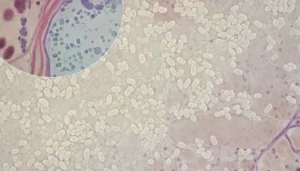
Understanding vaginal infections is crucial for women’s health. According to the American College of Obstetricians and Gynecologists (ACOG), these infections are common and typically treatable. In fact, approximately 75% of women will experience at least one Candida infection during their lifetime. This statistic highlights the importance of recognizing symptoms early.
In this guide, I will introduce you to the symptoms, common causes, and treatment options for vaginal yeast infections. It’s essential to know that up to 45% of women may face two or more infections. Thus, understanding prevention and treatment can be beneficial.
With ACOG’s latest information from December 2025, I aim to provide current and practical health guidance. While most vaginal infections are manageable, seeking professional evaluation for severe or uncertain symptoms remains vital.
Key Takeaways
- Vaginal yeast infections are common among women.
- Most infections are treatable with proper care.
- Recognizing symptoms early can aid in prevention.
- Professional evaluation is crucial for severe cases.
- ACOG provides updated guidelines for effective treatment.
Table of Contents
ToggleUnderstanding Yeast Infection
Gaining insight into vaginal infections is essential for maintaining women’s health. Vaginal yeast infections typically arise from an overgrowth of the fungus Candida albicans, which normally resides in the vagina. This fungus, along with healthy bacteria and cells, helps maintain a balanced environment.
The vagina’s natural discharge plays a vital role in this balance. It aids in removing dead cells and helps prevent excessive growth of both yeast and bacteria. However, when this balance is disrupted, symptoms can arise.
- It’s important to note that a vaginal yeast infection is different from bacterial vaginosis, which is caused by an overabundance of unhealthy bacteria.
- While vaginal yeast is not inherently harmful, symptoms usually appear when the microbial balance changes.
Recognizing Yeast Infection Symptoms
Recognizing the signs of vaginal issues is vital for every woman’s well-being. Typical symptoms of a vaginal yeast infection include itching, soreness, and a thick, white, cheese-like discharge. Other signs may include burning sensations during urination and discomfort during intercourse.
Normal vaginal discharge is typically clear or white and does not have a strong odor. However, when the discharge changes in color, texture, or smell, it may indicate a problem. For instance, if you notice a thickening of your discharge before menstruation, this is often due to hormonal fluctuations.
It’s important to distinguish between different types of discharge. A fishy smell could suggest bacterial vaginosis, while yellowish or greenish discharge might indicate trichomoniasis. If you experience persistent symptoms, it’s best to consult a healthcare professional.
Identifying the Causes and Risk Factors
Identifying the underlying causes of vaginal infections can empower women to take charge of their health. Various factors contribute to the risk of developing these infections. Understanding these factors is essential for prevention and effective management.
Lifestyle Factors and Medical Conditions
Several lifestyle choices and medical conditions can increase the likelihood of vaginal infections:
- Diabetes: This condition can weaken the immune system, making it harder to fight off infections.
- Obesity: Excess weight can create a warm, moist environment that encourages yeast growth.
- HIV: A weakened immune system due to HIV can increase vulnerability to infections.
- Weakened Immunity: Conditions that compromise the immune system can elevate risk.
Impact of Medications and Hormonal Changes
Medications, particularly antibiotics, can disrupt the balance of healthy bacteria in the vagina:
- Antibiotics: These can kill beneficial bacteria, allowing yeast to multiply.
- Hormonal Changes: Fluctuations during pregnancy or menstrual cycles can alter the vaginal environment.
Additionally, factors like poor diet, lack of sleep, and sexual activity can also play a role in increasing risk. It’s important to recognize that while sexual activity may introduce new bacteria, vaginal infections are not typically classified as sexually transmitted infections.
How Yeast Infections Are Diagnosed
The process of diagnosing vaginal infections is essential for effective treatment. When you visit a clinician, they will typically perform a pelvic examination. This allows them to check for signs of inflammation and any unusual discharge.
During the visit, a sample of the discharge may be examined quickly under a microscope. This helps in identifying the presence of any infections. It’s particularly important to evaluate first-time symptoms, as they can resemble those of gonorrhea, chlamydia, or trichomoniasis.
Clinicians will often ask about the appearance of the discharge, any odor, itching, and the duration of symptoms. They may also inquire about your sexual activity and previous episodes. If your symptoms are uncertain, severe, or recurrent, especially during pregnancy, seeking a professional diagnosis is highly recommended.
Treatment Options for Yeast Infection
Exploring treatment options for vaginal issues is essential for effective management. There are various remedies available, both over-the-counter and prescription, that can help alleviate symptoms and restore balance.
Over-the-Counter Remedies and Home Treatments
Many women find relief using miconazole, which is available as creams or suppositories. These treatments are effective and can cure up to 90% of vaginal yeast infections within two weeks or less. Other options include butoconazole and tioconazole, which also come in various forms.
Prescription Medications and Their Uses
For more severe cases, fluconazole may be prescribed. This single-dose oral treatment is convenient but should not be used during pregnancy. Additionally, metronidazole and clindamycin are often used for other vaginal infections, providing further options for women facing recurring issues.
Managing Discomfort and Finding Relief
Finding relief from symptoms can significantly improve women’s quality of life. Managing discomfort during a vaginal issue is essential for maintaining overall health. I recommend following Taniqua Miller, M.D.’s guidance that a seven-day topical course may be gentler than shorter treatments.
It’s important to note that engaging in sex may worsen irritation and interfere with treatment. The ACOG advises avoiding sex for approximately one week while treating a vaginal infection. This precaution helps ensure that the treatment is effective and minimizes discomfort.
For additional comfort, I suggest gentle cleansing with plain water and avoiding scented products that may irritate sensitive tissue. Remember, if symptoms persist, worsen, or do not improve within 72 hours, it’s crucial to contact a clinician for further evaluation.
| Tip | Description |
|---|---|
| Topical Treatment | A seven-day course may be gentler and more effective. |
| Avoiding Sex | Helps reduce irritation and allows treatment to work effectively. |
| Gentle Cleansing | Use plain water to avoid further irritation. |
| Consult a Clinician | Contact if symptoms do not improve within 72 hours. |
Prevention Strategies for a Healthy Balance
Fostering a healthy vaginal environment is key to avoiding discomfort. Implementing daily habits can significantly help prevent infections. Simple changes in hygiene and lifestyle can make a big difference.
I recommend wearing cotton underwear because breathable fabric allows airflow and reduces moisture around the external genital area. This can help prevent yeast infections effectively.
It’s also important to dry off after bathing and change out of wet clothing promptly. This practice can significantly reduce the chances of developing infections.
When it comes to hygiene, wash the vulva gently with warm water. Avoid douching, vaginal sprays, bubble baths, and scented products that can disrupt the natural balance.
For those taking antibiotics, it’s wise to discuss preventive antifungal treatment with your healthcare provider. Additionally, individuals with diabetes should maintain tight blood-sugar control as part of their infection-prevention care.
Special Considerations and Recurring Infections
Recognizing the complexities of recurrent vaginal issues is vital for effective management. Recurrent vulvovaginal candidiasis is defined as experiencing four or more episodes within a year. This condition affects fewer than 5% of women, but repeated occurrences warrant thorough evaluation.
After experiencing five or more cases of the same vaginal yeast infection in a year, I recommend discussing suppression treatment with your healthcare provider. Such cases may require prolonged antifungal therapy, including repeated creams, gels, or pills.
Additionally, clinicians may test for underlying conditions like diabetes or HIV when there is no clear reason for the repeat infections. Understanding these factors can empower women to take control of their health and seek appropriate treatment.
Integrating Health Care Guidance with Self-Care
Integrating health care advice with self-care practices is essential for women’s well-being. Seeking professional guidance is vital, especially when symptoms like itching or redness occur. Taniqua Miller, M.D., emphasizes the importance of ruling out sexually transmitted infections (STIs) when facing these symptoms, particularly with a new partner.
In most cases, partners do not require treatment for infections unless they develop symptomatic Candida balanitis. However, testing and treatment for trichomoniasis or other STIs is necessary if diagnosed. Utilizing reliable resources, such as the Centers for Disease Control and Prevention, can provide valuable information regarding women’s health.
It’s crucial to balance self-care with medical treatment. While home remedies can be beneficial, they should not replace professional diagnosis, especially for uncertain or recurrent infections. Empowering yourself with knowledge and seeking appropriate care can lead to better health outcomes.
Conclusion
Awareness of vaginal health is a cornerstone of women’s wellness. Itching, burning, soreness, and thick white discharge can indicate a vaginal issue. Normal discharge is typically clear or white and should not have a strong odor.
Clinicians can use pelvic examinations and microscopy to distinguish between conditions like bacterial vaginosis or STIs. Treatment options include miconazole and other antifungals, which should be selected based on individual circumstances.
I encourage people to seek care for first-time, severe, recurrent, or persistent symptoms, especially during pregnancy. Lastly, controlling moisture, practicing gentle hygiene, wearing breathable cotton clothing, and following professional prevention guidance can greatly enhance vaginal health.