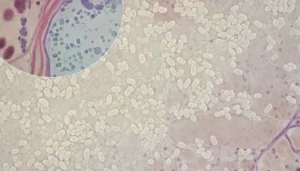
You might be surprised to learn that Candida albicans is a naturally occurring fungus that lives in and on your body every single day. While it usually coexists peacefully, certain conditions can cause it to grow out of control. This overgrowth can lead to an imbalance known as candidiasis, which often requires targeted support to manage.
In this guide, we will explore how specific products can help you regain control and support your overall digestive health in a natural way. Understanding how an overgrowth of this fungus can disrupt your internal ecosystem is vital for your comfort.
By addressing the root causes, you can better utilize products to help restore balance to your microbiome and improve your daily well-being.
Key Takeaways
- Candida albicans is a common fungus found in the body.
- Overgrowth can lead to candidiasis, requiring management.
- Specific products can aid in restoring digestive health.
- Understanding the issue is key to finding effective solutions.
- Balance in the microbiome is essential for overall well-being.
Table of Contents
ToggleIntroduction: Understanding Candida and Digestive Balance
Understanding the role of various organisms in your gut can be a game-changer for your health. Your digestive health is vital because the gut microbiome works alongside bacteria to support immunity and manage inflammation throughout your body.
The gut mycobiome consists of different fungi, with the most prevalent being a type of yeast. Under normal conditions, this yeast is a harmless part of a healthy microbiome, residing in your gut, mouth, throat, and skin.
When your body is balanced, this yeast is kept in check by a robust immune system and balanced flora. This balance ensures your digestive tract functions smoothly. Maintaining this delicate equilibrium is crucial to prevent the yeast from multiplying excessively and causing systemic issues.
Recognizing Candida Overgrowth and Its Impact
Recognizing the signs of an imbalance in your gut can lead to better health choices. Many people may not realize that about 1 in 5 women have this yeast in their vagina without experiencing any noticeable symptoms. However, when it comes to the gastrointestinal tract, symptoms can be more apparent.
Common symptoms of candida overgrowth in the gut include belching, bloating, gas, and indigestion. These discomforts can leave you feeling quite uneasy. You may also experience a sense of fullness in your upper abdomen.
When this yeast overgrows, it can damage the gut lining, increasing the risk of leaky gut syndrome. This condition can disrupt your microbiome, leading to further complications. Additionally, the excess yeast can ferment in your gut, producing gases that mimic food intolerances.
If left unchecked, this overgrowth can seriously impact your digestion and overall health. Addressing these symptoms early is crucial for maintaining a balanced gut and improving your quality of life.
Identifying Candida Supplements for Effective Balance
Specialized products can play a crucial role in maintaining your digestive equilibrium. These products are designed to help your body manage candida overgrowth by supporting beneficial bacteria that keep yeast in check.
By creating an environment where overgrowth cannot thrive, these products help restore balance to your internal digestive ecosystem. When you choose to use these products, you take a proactive step toward addressing the root causes of digestive discomfort and fatigue.
It’s essential to understand that these products work best when combined with dietary and lifestyle modifications. By targeting the overgrowth directly, they provide a structured way to support gut health and reduce harmful fungal strains.
For more information on how to choose the right products, check out this guide.
Navigating the Functional Medicine Approach
Exploring the intricacies of your microbiome can provide vital insights into your overall health. One of the most effective ways to assess your gut health is through specialized lab testing.
A comprehensive stool test like the GI-MAP evaluates the balance of your microbiome, including measuring specific levels of yeast species to identify potential overgrowth. Additionally, the 3-hour SIBO assessment is a non-invasive breath test that measures hydrogen and methane to evaluate bacterial overgrowth in the small intestine.
Functional medicine practitioners utilize these tests to uncover root causes, such as dysbiosis, and to investigate why harmful pathogens might be thriving in your gut. By interpreting these results, you can create a personalized treatment plan that addresses your specific type of overgrowth.
As the saying goes,
“Knowledge is power.”
Retesting a few months after your initial treatment can guide an individualized approach, ensuring your microbiome remains in a healthy, balanced state.
Incorporating Dietary Changes for Candida Control
The foods you choose can significantly impact your digestive balance. An anti-Candida diet focuses on low-sugar, anti-inflammatory foods. These choices promote a healthy microbiome and support your immune system.
When planning your meals, consider incorporating lean proteins like chicken, fish, and turkey. Pair these with non-starchy vegetables and gluten-free grains to help avoid fueling overgrowth.
It’s wise to limit processed foods, sugar, white flour, yeast, and cheese. These items can contribute to the overgrowth of yeast in your digestive tract. Following a dietary plan that avoids these triggers can improve your overall well-being.
By choosing the right foods, you empower your body to create an environment that discourages fungal proliferation. This proactive approach not only helps with digestive health but also boosts your energy levels.
Step-by-Step Guide to Your Supplement Protocol
Establishing a clear protocol for your health journey can greatly enhance your results. One important aspect is understanding the right dosage and timing for your chosen products.
Understanding Dosage and Timing
Caprylic acid is a medium-chain fatty acid found in coconut oil. It effectively helps break down yeast by penetrating its cell membranes. The recommended dosage for caprylic acid is between 500 to 1,000 milligrams three times a day, totaling up to 3,000 milligrams per day for some individuals.
Timing is crucial. For instance, probiotics should be taken with meals but spaced 2-3 hours apart from antimicrobials. This approach maximizes their effectiveness in your gut.
Integrating Supplements with Lifestyle Changes
To achieve optimal results, it’s essential to integrate these products with healthy lifestyle changes. Stress management is vital to ensure your immune system is strong enough to support the process.
Consistency is key. Following a protocol for managing overgrowth typically spans 3-4 months to see lasting improvements.
Embracing Natural Solutions: Probiotics and Herbal Remedies
Natural solutions can significantly enhance your digestive health. By incorporating specific probiotics and herbal remedies, you can support your body in managing imbalances effectively.
Probiotics, especially strains like Lactobacilli, are essential for replenishing beneficial bacteria. They produce lactic acid, which helps regulate gut acidity and inhibit the growth of unwanted organisms. Saccharomyces boulardii, a beneficial yeast, can break down the protective biofilm that some fungi hide in, allowing your immune system to work more effectively.
Herbs also play a vital role. Oregano oil (Origanum vulgare) is a powerful natural option for managing imbalances. It targets various strains, including those that may disrupt your gut health. Additionally, garlic extract offers properties that support your body in controlling yeast overgrowth.
For optimal results, aim for 8-15+ billion colony-forming units of probiotics daily, including strains like L. acidophilus. This can help restore balance to your microbiome.
- Probiotics replenish beneficial bacteria and produce lactic acid.
- Saccharomyces boulardii breaks down protective biofilms.
- Oregano oil effectively manages fungal imbalances.
- Garlic extract supports the body against yeast overgrowth.
- Aim for 8-15+ billion CFUs of probiotics daily.
How to Choose the Right Candida Supplements
Finding the right products for your digestive health can be a game-changer in your wellness journey. When selecting supplements, it’s vital to consider high-quality options. Look for products containing evidence-based ingredients like caprylic acid or specific probiotic strains that cater to your unique needs.
It’s equally important to choose supplements that are free from fillers and sugars. These additives can inadvertently feed the overgrowth you are trying to eliminate. Always consult with a healthcare provider to ensure the products you select align with your specific type of overgrowth and health history.
A personalized approach is essential, as what works for one person may not be the best choice for another, especially concerning gut sensitivity. By selecting the right products, you can help restore balance to your system and support your body’s natural ability to keep yeast levels in check.
Supporting Your Immune System and Overall Gut Health
Your immune system plays a critical role in maintaining your gut health. It works closely with the bacteria in your gut to manage inflammation and keep overgrowth contained. When your immune system is strong, it helps prevent issues that can arise from an imbalance.
Chronic inflammation can negatively affect your gut health. It may allow pathogens to penetrate the intestinal lining, disrupting your internal microbial balance. By focusing on anti-inflammatory habits, you help restore balance to your microbiome.
This balance is essential for preventing yeast from multiplying beyond normal levels. A healthy immune system is your body’s primary defense against systemic infections. Therefore, nourishing it with proper nutrition and targeted support is crucial.
Maintaining this balance is a continuous process. It involves managing stress, eating whole foods, and using products to keep your gut health in optimal condition. For more insights on how to support your gut health, visit this resource.
Conclusion
Achieving a balanced gut is essential for your overall well-being. Managing yeast overgrowth requires a comprehensive approach that includes dietary changes and targeted products like caprylic acid. Supporting your immune system is equally important in this journey.
Natural remedies, such as oregano oil and garlic extract, can be effective, but always seek professional guidance to ensure your treatment is safe and personalized. Consistency with your daily protocol, including probiotics and fermented foods, is vital for long-term success.
By addressing the root causes of your symptoms, you can effectively break down biofilms and restore balance to your internal ecosystem. Take charge of your digestive wellness today by implementing these evidence-based strategies to keep your body functioning at its best.