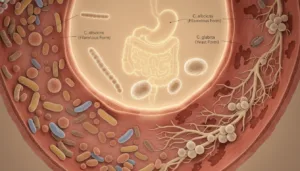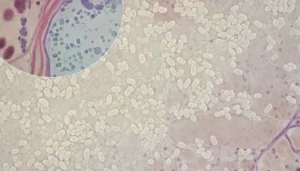
In this guide, I will introduce you to the fascinating world of yeast that naturally exists in our bodies. More than 150 species of yeast are known to inhabit various parts of the human body, with Candida albicans being the most common. This yeast typically resides in areas such as the gut, mouth, throat, vagina, and skin without causing any harm.
However, there are times when this yeast can multiply excessively, leading to what is known as overgrowth. This imbalance can disrupt the delicate relationship between yeast and beneficial bacteria in our microbiome. It is essential to understand how factors like diet, sugar intake, immune function, and stress can impact our overall health and the symptoms we experience.
This beginner’s guide aims to provide educational insights rather than serve as a substitute for professional medical advice. By exploring the intricate balance of yeast and bacteria, we can better understand how to maintain a healthy microbiome.
Key Takeaways
- Over 150 species of yeast live in different parts of the body.
- Candida albicans is a common yeast that usually exists harmlessly.
- Overgrowth can disrupt the balance of yeast and bacteria.
- Diet and sugar intake play a significant role in gut health.
- This guide offers educational information, not medical advice.
Table of Contents
ToggleIntroduction to Candida Overgrowth and Gut Health
Understanding the dynamics of yeast in our bodies is crucial for our health. Yeast is a natural part of our microbiome, playing a role in digestion and overall balance. However, when beneficial bacteria decline, yeast can multiply excessively, leading to potential health issues.
Common symptoms of overgrowth include:
- Bloating and gas
- Constipation and diarrhea
- Fatigue and brain fog
- Rashes and recurrent infections
It’s essential to recognize these signs early. Systemic candidiasis can become serious, affecting organs like the heart and kidneys. If you experience these symptoms, it’s vital to seek medical advice.
| Symptom | Description | Possible Impact |
|---|---|---|
| Bloating | Feeling of fullness or swelling in the abdomen | Discomfort, digestive issues |
| Fatigue | Persistent tiredness or lack of energy | Reduced daily functioning |
| Recurrent Infections | Frequent yeast infections or thrush | Quality of life impact |
Candida overgworth Lifestyle & Gut Support
Exploring the role of yeast in our bodies can reveal insights into maintaining our health. Lifestyle modifications play a significant role in managing yeast levels. By making informed choices, we can support our microbiome and overall well-being.
Here are some practical strategies to consider:
- Balanced Meals: Focus on whole foods, including non-starchy vegetables and quality proteins.
- Hydration: Drink plenty of water to help flush out toxins and support digestion.
- Movement: Regular physical activity can enhance immune function and overall health.
- Relaxation: Incorporate stress-reducing practices like meditation or yoga.
- Consistent Sleep: Aim for quality sleep to help your body recover and maintain balance.
Reducing added sugar and refined carbohydrates may limit fuel for yeast. While these changes are beneficial, they do not guarantee a cure. Always consult a qualified clinician before making significant changes to your treatment plan.
In addition, evaluating potential mold exposure in your environment is crucial. Addressing these factors can help create a healthier living space.
Key Factors Contributing to Candida Overgrowth
Recognizing the various factors that can lead to yeast overgrowth is essential for maintaining our health. Certain dietary choices and lifestyle habits can significantly influence the balance of yeast in our bodies.
High sugar intake, refined carbohydrates, and excessive alcohol consumption are common dietary triggers. These elements can create an environment that promotes yeast growth. It is crucial to be mindful of what we consume.
Additionally, antibiotics can disrupt the balance of helpful bacteria, allowing harmful organisms to thrive. This disruption can lead to an increase in yeast levels.
Immune challenges, such as diabetes and autoimmune diseases, also play a role. Conditions that weaken immunity can make the body more susceptible to yeast overgrowth.
Chronic stress can influence immune regulation and affect the stability of our microbiome. While stress is not the sole cause, it can exacerbate existing issues.
Lastly, it’s important to note that yeast can switch to a hyphal form, which may contribute to gut permeability concerns. Symptoms should always be assessed by a professional.
| Factor | Description | Impact |
|---|---|---|
| High Sugar Intake | Excessive sugar feeds yeast growth. | Increased risk of overgrowth. |
| Antibiotics | Disrupts beneficial bacteria. | Allows harmful organisms to thrive. |
| Chronic Stress | Affects immune function. | May worsen existing conditions. |
Diagnostic Approaches and Testing Methods
Identifying yeast overgrowth is vital for addressing health concerns. Various diagnostic methods can provide insights into the presence of yeast and its impact on the body. These tests help clinicians determine the best course of action for individuals experiencing symptoms.
One effective method is the comprehensive stool analysis, which includes GI-MAP testing. This test evaluates Candida albicans and other species, along with the overall microbiome balance. It offers a detailed look at the gut environment.
Blood tests can also be informative. They assess IgA, IgG, and IgM reactivity through a Candida Profile from Alletess Medical Laboratory. This can help in understanding the immune response to yeast.
Additionally, urine DNA testing and urinalysis may be used when investigating invasive infections. The three-hour SIBO breath test measures hydrogen and methane levels, as symptoms from bacteria and fungi can overlap.
Lastly, a small bowel aspirate collected during an upper endoscopy is considered the gold standard for diagnosing small intestinal fungal overgrowth (SIFO).
| Test Type | Description | Purpose |
|---|---|---|
| GI-MAP | Evaluates Candida species and microbiome balance | Identifies gut health issues |
| Blood Testing | Assesses immune response to yeast | Determines sensitivity and reactivity |
| SIBO Breath Test | Measures hydrogen and methane | Identifies bacterial and fungal overlap |
| Small Bowel Aspirate | Collects samples during endoscopy | Gold standard for diagnosing SIFO |
Nutritional Guidelines for Managing Candida
Navigating the complexities of dietary choices can significantly influence our health. Understanding which foods can support a balanced microbiome is essential. While the effectiveness of a specific diet remains unconfirmed by strong scientific evidence, there are suggestions that can help.
Here are some foods that are often recommended:
- Low-sugar fruits: Berries and green apples
- Non-starchy vegetables: Spinach, broccoli, and bell peppers
- Gluten-free grains: Quinoa, millet, and buckwheat
- Lean proteins: Eggs, salmon, and poultry
- Healthy fats: Avocado and olive oil
On the other hand, it’s wise to limit or avoid:
- Added sugar and sweetened beverages
- Alcohol and refined carbohydrates
- Highly processed foods
Some individuals also restrict gluten, dairy, and fermented foods, though evidence for these exclusions is limited. A three-month study involving 120 participants reported reduced yeast levels after dietary changes, but broader scientific support is still lacking.
For certain cases, a short-term elemental diet may be utilized under professional supervision. This option typically lasts 2-3 weeks and is tailored for specific conditions.
Lifestyle Changes to Enhance Immune Function and Gut Support
Enhancing our immune function and overall health involves understanding the importance of stress management, sleep, and exercise. Chronic stress can negatively impact immune responses and disrupt the balance of our microbiome. Thus, managing stress should be a priority for better health.
Aiming for seven to eight hours of quality sleep each night is also essential. This amount of rest supports overall wellness and helps the body recover. Sleep deprivation can weaken immune function, making it harder to fend off infections.
Incorporating regular physical activity is another key component. Options like walking, resistance training, stretching, and yoga cater to various fitness levels. These activities can improve blood flow to the digestive tract, promoting better health.
Moreover, sedentary behavior can hinder digestive circulation. To combat this, I suggest incorporating simple movement routines throughout the day. Techniques such as meditation and breathing exercises can also help reduce stress effectively.
Natural Antifungal Remedies and Supplement Strategies
Exploring natural remedies can be a valuable approach for managing yeast issues. Many people seek alternatives to conventional treatments. Natural compounds may offer supportive options to address symptoms and promote health.
Some popular herbal options include:
- Oregano oil: Known for its antifungal properties.
- Fresh garlic: A natural immune booster.
- Berberine: Found in various plants, it may help reduce yeast levels.
- Caprylic acid: Suggested dosage is 500-1,000 milligrams three times daily for 3-4 months.
- Citrus seed extract: Often used for its antimicrobial effects.
- Tannins and undecylenate: Both may contribute to managing yeast overgrowth.
While these options can be helpful, it’s essential to consult with a clinician or pharmacist. Natural products can interact with medications, and a healthcare professional can guide safe usage.
Serious infections, such as recurrent urinary or systemic infections, require appropriate medical diagnosis. Relying solely on self-treatment can be risky.
Functional Medicine and Probiotic Integration
Integrating functional medicine with probiotics offers a holistic approach to managing yeast levels. This method combines laboratory testing, nutrition, lifestyle changes, and individualized supplements to investigate contributing factors. By understanding these elements, we can enhance our health effectively.
Probiotic options such as Lactobacillus acidophilus and Lactobacillus paracasei are vital for microbiome support. Research shows that Lactobacillus reuteri can reduce oral yeast levels in older adults with thrush after using probiotic lozenges. Another beneficial yeast, Saccharomyces boulardii, has been studied for its support during antibiotic exposure.
A suggested probiotic dose is between 8-15 billion colony-forming units for at least four weeks. It’s best to take these with food and 2-3 hours apart from antimicrobials. This approach can help maintain a balanced microbiome and improve overall health.
Developing a Sustainable Lifestyle for Candida Control
Building a lifestyle that supports yeast balance is key to maintaining health. It’s important to recognize that a restrictive diet should not replace a nutritionally complete, individualized long-term eating pattern. Instead, consider gradual changes to your diet.
Experts recommend removing sugar, caffeine, and gluten one category at a time. This approach can make the transition easier and more sustainable. Meal planning around vegetables, adequate protein, healthy fats, and whole-food carbohydrates is essential.
In addition to dietary adjustments, managing stress, ensuring quality sleep, and incorporating exercise are crucial. These factors contribute to a stronger immune system and overall well-being. Appropriate use of probiotics can also enhance gut health.
Finally, regular follow-up testing and professional reviews are vital. If symptoms persist or worsen, it’s essential to consult a healthcare provider. For more information on managing symptoms and improving health, check out this resource.
Conclusion
Yeast normally lives in the body, but changes in the microbiome, immune challenges, some medicines, and metabolic conditions can allow Candida to grow out of balance. Symptoms such as bloating, thrush, fatigue, skin rashes, or repeat vaginal infections can have many causes. I recommend a clinical assessment rather than guessing from symptoms alone.
Depending on your situation, a clinician may consider stool analysis, blood or urine tests, SIBO testing, or a small bowel aspirate. A low-sugar, minimally processed diet may benefit general health, though evidence does not confirm every restrictive Candida diet.
Probiotics, selected supplements, sleep, movement, and stress care may complement—not replace—medical treatment. I encourage you to consult a qualified health professional before starting a restrictive diet, supplements, or antifungal medicine. Personalized care is safer than self-treatment and can guide your next steps.