What is Candida Overgrowth?
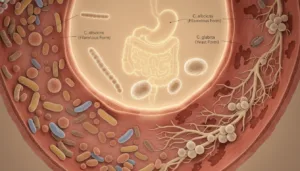
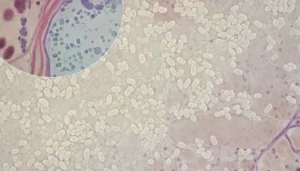
Candida is a type of yeast that naturally resides in various parts of the body, including the mouth, gut, and skin. While it’s a normal part of the body’s microbial ecosystem, problems arise when Candida grows out of control, leading to a condition known as Candida overgrowth. This imbalance can disrupt gut health, weaken the immune system, and contribute to a wide range of symptoms such as fatigue, brain fog, digestive discomfort, and recurring infections.
Candida overgrowth is often triggered by factors such as a high-sugar diet, antibiotic use, stress, or a weakened immune system. Left unchecked, it can compromise the gut’s delicate balance, allowing harmful substances to enter the bloodstream and perpetuating a cycle of poor health.
The Link Between Candida and Blood Sugar Levels
One of the primary fuels for Candida growth is sugar. When blood sugar levels are consistently high or fluctuate wildly, Candida has a steady supply of glucose to thrive. High blood sugar creates an environment where Candida can multiply rapidly, further disrupting the balance of the gut microbiome. Additionally, spikes and crashes in blood sugar weaken the body’s immune system, making it harder to fight off Candida overgrowth.
For example, consuming sugary snacks or refined carbohydrates can lead to a blood sugar spike, providing Candida with a feast. Once blood sugar crashes, the body craves more sugar, perpetuating the cycle and giving Candida another opportunity to expand. This relationship highlights the importance of stabilizing blood sugar levels to effectively address Candida.
Why Address Both Issues Together?
Candida overgrowth and blood sugar imbalance are interconnected, making it essential to tackle both issues simultaneously for long-term health. Addressing Candida without managing blood sugar may only provide temporary relief, as fluctuating glucose levels will continue to fuel the yeast. Similarly, focusing solely on blood sugar regulation without addressing Candida leaves an underlying root cause unaddressed.
By taking a holistic approach, you create a foundation for sustained wellness. Managing Candida overgrowth can restore gut health, boost the immune system, and reduce symptoms like fatigue and digestive discomfort. Meanwhile, stabilizing blood sugar levels supports overall energy, reduces cravings, and helps maintain a healthier internal environment. Together, these steps pave the way for a more balanced and vibrant life.
Table of Contents
ToggleUnderstanding the Candida-Blood Sugar Connection
Candida’s Dependence on Sugar
Candida thrives on sugar. This yeast uses glucose as its primary energy source to grow and multiply, creating a favorable environment for overgrowth. When blood sugar levels are consistently high, Candida has an abundance of fuel, allowing it to expand its colonies and form biofilms—protective layers that make it harder for the immune system to combat.
Refined sugars and simple carbohydrates, like those found in sweets, pastries, and white bread, are quickly broken down into glucose, feeding Candida almost immediately. Even natural sugars from fruits and sweeteners like honey can contribute to Candida’s growth if consumed in excess. For individuals with Candida overgrowth, a diet high in sugar not only exacerbates symptoms but also makes it harder to regain balance in the gut.
Impact of Fluctuating Blood Sugar Levels
Blood sugar spikes and crashes can create a vicious cycle that weakens the body’s ability to manage Candida. When you consume sugary foods or refined carbs, your blood sugar levels spike, providing an immediate energy source for Candida. This spike is often followed by a rapid drop, leading to a blood sugar crash. These fluctuations strain the body’s hormonal and immune systems in several ways:
- Weakened Immunity:
- Repeated spikes in blood sugar impair the immune system’s ability to function effectively, making it harder to control Candida overgrowth.
- High blood sugar levels can also create oxidative stress, which further weakens immune responses.
- Increased Cravings:
- Blood sugar crashes often trigger intense sugar cravings, which lead to consuming more of the foods that fuel Candida, perpetuating the overgrowth cycle.
- Hormonal Imbalance:
- Fluctuating blood sugar levels can disrupt hormones like insulin and cortisol, which play a role in maintaining overall health and gut balance.
These patterns not only promote Candida overgrowth but also amplify symptoms like fatigue, mood swings, and digestive discomfort, further impacting quality of life.
Signs of Candida and Blood Sugar Imbalance
The connection between Candida and blood sugar imbalance can manifest in various physical and mental symptoms. Recognizing these signs is the first step toward addressing the underlying issues:
- Fatigue:
- Persistent tiredness despite adequate sleep is a common symptom of both Candida overgrowth and unstable blood sugar levels.
- Brain Fog:
- Difficulty concentrating, forgetfulness, and mental fatigue are often linked to Candida toxins and sugar-induced hormonal imbalances.
- Sugar Cravings:
- Intense cravings for sweets and carbs may signal Candida’s demand for fuel, as well as the body’s response to frequent blood sugar crashes.
- Digestive Issues:
- Symptoms such as bloating, gas, diarrhea, or constipation can indicate Candida-related gut imbalance.
- Skin and Nail Problems:
- Candida overgrowth can cause issues like persistent rashes, fungal infections, or itchy skin.
- Mood Swings and Irritability:
- Fluctuating blood sugar levels combined with Candida’s impact on gut health can affect mood and emotional stability.
If you’re experiencing a combination of these symptoms, it’s a strong indication that both Candida overgrowth and blood sugar instability may be contributing to your health challenges. Addressing the connection between the two can lead to significant improvements in energy, digestion, and overall well-being.
Step 1: Clean Up Your Diet
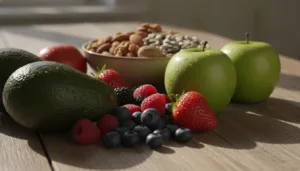
Cleaning up your diet is the cornerstone of addressing Candida overgrowth and stabilizing blood sugar levels. By focusing on nutrient-dense, whole foods, you can deprive Candida of its primary fuel source while promoting steady blood sugar levels and overall health. Making sustainable dietary changes ensures long-term success and prevents setbacks.
Balancing Nutrients for Blood Sugar Control
To maintain stable blood sugar levels and reduce Candida’s access to sugar, it’s essential to prioritize balanced meals that provide lasting energy:
- Whole Foods:
- Whole, unprocessed foods are rich in nutrients and free from added sugars or chemicals that can disrupt the gut.
- Examples: Fresh vegetables, nuts, seeds, and minimally processed proteins like chicken or fish.
- Low-Glycemic Carbohydrates:
- Low-glycemic carbs digest more slowly, causing gradual increases in blood sugar levels rather than spikes.
- Examples: Sweet potatoes, quinoa, lentils, and non-starchy vegetables like broccoli and spinach.
- Lean Proteins:
- Protein helps stabilize blood sugar by slowing the absorption of glucose into the bloodstream.
- Examples: Eggs, turkey, lean beef, tofu, and fish.
- Healthy Fats:
- Fats like avocado, olive oil, and coconut oil help keep you full and support balanced energy levels.
- These fats also have antifungal properties, particularly coconut oil, which contains caprylic acid that targets Candida.
- High-Fiber Foods:
- Fiber-rich foods support digestion and help regulate blood sugar by slowing carbohydrate absorption.
- Examples: Chia seeds, flaxseeds, and green leafy vegetables.
Balancing these nutrient groups in every meal ensures that your body gets the energy it needs without feeding Candida or causing blood sugar spikes.
Step 2: Focus on Microbiome Health
A healthy microbiome is essential for combating Candida overgrowth and maintaining overall wellness. The gut is home to trillions of bacteria and other microorganisms that play a crucial role in digestion, immune function, and balancing Candida levels. By nourishing beneficial bacteria and avoiding habits that disrupt the microbiome, you can create an environment that supports optimal gut health and naturally keeps Candida in check.
Gut-Friendly Foods
Supporting your gut starts with providing the nutrients beneficial bacteria need to thrive. Prebiotic-rich foods are key because they feed the good bacteria in your gut, helping them multiply and crowd out harmful organisms like Candida.
- Prebiotic Foods:
- Garlic: Contains compounds that promote the growth of beneficial bacteria while also exhibiting mild antifungal properties.
- Onions: Rich in inulin, a type of prebiotic fiber that helps beneficial bacteria flourish.
- Asparagus: Another excellent source of inulin, asparagus also provides antioxidants that support overall gut health.
- Leeks and Chicory Root: Excellent sources of prebiotic fibers that encourage a healthy microbiome.
- How to Incorporate Prebiotics:
- Add garlic and onions to soups, stir-fries, or roasted vegetables.
- Snack on lightly steamed asparagus or include it in salads.
Probiotics for Candida Balance
Probiotics introduce beneficial bacteria into your gut, helping to rebalance the microbiome and outcompete Candida. They are a cornerstone of any Candida-fighting protocol.
- Probiotic-Rich Foods:
- Sauerkraut: Fermented cabbage that provides a variety of Lactobacillus strains.
- Kimchi: A spicy Korean fermented vegetable dish packed with probiotics.
- Unsweetened Yogurt: Contains live active cultures like Lactobacillus acidophilus, which can inhibit Candida growth.
- Kefir: A fermented dairy or water-based drink with diverse strains of probiotics.
- Miso and Tempeh: Fermented soy products that support gut bacteria and digestion.
- Probiotic Supplements:
- When choosing a supplement, look for one with multiple strains such as Lactobacillus acidophilus, Lactobacillus rhamnosus, and Bifidobacterium bifidum.
- Opt for a product with a high CFU (colony-forming unit) count, ideally over 10 billion, for maximum effectiveness.
- Refrigerated probiotics are often more potent, as heat can kill live cultures.
- How to Incorporate Probiotics:
- Add a small serving of sauerkraut or kimchi as a side to meals.
- Use unsweetened yogurt as a base for smoothies or pair it with nuts and cinnamon for a snack.
- Take probiotic supplements daily, following dosage instructions for best results.
Gut Health Habits
In addition to diet, lifestyle choices play a significant role in maintaining microbiome balance and preventing Candida from overgrowing.
- Avoiding Antibiotics:
- Antibiotics kill both harmful and beneficial bacteria, disrupting the delicate balance in your gut and giving Candida an opportunity to flourish.
- Use antibiotics only when absolutely necessary and always follow up with a probiotic regimen to restore gut health.
- Limiting Gut Disruptors:
- Alcohol: Excessive alcohol consumption can damage the gut lining and disrupt bacterial balance.
- Chronic Stress: Stress hormones negatively affect gut bacteria and weaken the immune system, making it harder to combat Candida.
- Processed Foods: Many processed foods contain additives and sugars that harm beneficial bacteria while feeding Candida.
- Promoting Gut-Friendly Practices:
- Eat meals mindfully, chewing thoroughly to aid digestion.
- Stay hydrated, as water supports digestion and nutrient absorption.
- Incorporate moderate exercise, which can improve gut motility and bacterial diversity.
By focusing on microbiome health through prebiotics, probiotics, and gut-friendly habits, you can strengthen your body’s natural defenses against Candida. These steps not only help balance the microbiome but also enhance digestion, immunity, and overall well-being. A healthy gut is the foundation for lasting vitality and Candida control.
Step 3: Introduce Holistic Antifungal Solutions
Incorporating natural antifungal remedies into your routine is a powerful way to combat Candida overgrowth. These holistic solutions target Candida directly, breaking down its defenses and reducing its population. By using herbs and nutritional remedies strategically, you can disrupt Candida’s growth while supporting overall health.
Herbal and Nutritional Remedies
Nature offers several potent antifungal agents that are both effective and easy to use in daily life. These remedies not only target Candida but also promote general wellness.
- Coconut Oil:
- Contains caprylic acid, a fatty acid that penetrates Candida cell walls, causing them to weaken and die.
- Benefits: In addition to its antifungal properties, coconut oil is a healthy fat that supports energy and gut health.
- How to Use: Use as a cooking oil, add to smoothies, or consume 1–2 tablespoons daily.
- Oregano:
- Packed with carvacrol and thymol, compounds with powerful antifungal and antimicrobial properties.
- Benefits: Reduces Candida biofilms and inflammation while supporting gut healing.
- How to Use: Take oregano oil supplements (diluted as directed) or use dried oregano as a seasoning in recipes.
- Cinnamon:
- Contains cinnamaldehyde, an active compound with antifungal and anti-inflammatory effects.
- Benefits: Helps regulate blood sugar levels while targeting Candida in the gut.
- How to Use: Add cinnamon to teas, oatmeal, or baked goods as a flavorful and effective remedy.
These versatile remedies are easy to incorporate into your diet and lifestyle, making them excellent choices for ongoing Candida management.
Rotational Therapy
Candida is a resilient organism that can develop resistance if exposed to the same antifungal agents for extended periods. Rotational therapy helps prevent this by cycling through different antifungal remedies to keep Candida from adapting.
- How It Works:
- Use one antifungal (e.g., oregano oil) for 2–3 weeks, then switch to another (e.g., coconut oil or grapefruit seed extract).
- Rotate remedies to ensure Candida is continually challenged.
- Examples of Rotational Therapy:
- Week 1–2: Coconut oil (1 tablespoon daily).
- Week 3–4: Oregano oil capsules (as directed on the label).
- Week 5–6: Cinnamon tea or powder added to meals.
- Benefits:
- Reduces the likelihood of Candida developing resistance.
- Provides a broader range of antifungal activity to target Candida from multiple angles.
Integrating Antifungals into Daily Life
Incorporating antifungal remedies into your routine doesn’t have to be complicated. Here are some simple ways to make them a regular part of your day:
- Cooking with Antifungals:
- Use coconut oil as a base for sautéing vegetables or frying eggs.
- Sprinkle cinnamon on your morning oatmeal, yogurt, or coffee.
- Add fresh oregano or dried oregano to soups, stews, or salad dressings.
- Taking Supplements:
- Choose high-quality oregano oil capsules or liquid extracts and follow dosage instructions.
- Consider caprylic acid or grapefruit seed extract supplements for targeted antifungal support.
- Drinks and Beverages:
- Make a cinnamon tea by steeping a cinnamon stick in hot water.
- Add a teaspoon of coconut oil to herbal teas or coffee for a creamy texture with antifungal benefits.
- Daily Rituals:
- Create a routine of taking antifungal supplements with meals to ensure consistency.
- Rotate antifungals every few weeks to keep your regimen effective and varied.
By introducing holistic antifungal solutions into your diet and lifestyle, you can actively combat Candida while enjoying the added benefits of improved digestion, energy, and overall health. These remedies are versatile, natural, and effective, making them a valuable tool in your Candida-fighting strategy.
Step 4: Create a Blood Sugar Regulation Routine
Regulating blood sugar is a critical step in combating Candida overgrowth and promoting overall health. By implementing a consistent routine that includes balanced meals, high-fiber foods, and mindful habits, you can prevent the sugar spikes and crashes that fuel Candida growth while supporting steady energy levels throughout the day.
Meal Timing and Spacing
When and how often you eat can have a significant impact on blood sugar stability. Long gaps between meals or consuming large amounts of carbs at once can lead to fluctuations that strain your metabolism and encourage sugar cravings.
- Eat Every 4–6 Hours:
- Regular meals help maintain steady blood sugar levels and prevent drops that trigger hunger and cravings.
- Avoid skipping meals, as this can cause blood sugar crashes and leave you reaching for quick, sugary fixes.
- Balanced Meals:
- Combine protein, healthy fats, and fiber in every meal to slow the absorption of glucose into the bloodstream.
- Example:
- Breakfast: Scrambled eggs with spinach and avocado.
- Lunch: Grilled chicken salad with mixed greens and olive oil dressing.
- Dinner: Baked salmon with roasted vegetables and quinoa.
- Snack Smartly:
- If you feel hungry between meals, opt for low-glycemic snacks like nuts, seeds, or a hard-boiled egg to keep blood sugar stable.
- Portion Control:
- Avoid overeating, even with healthy foods, as large meals can cause insulin spikes.
- Practice portion awareness by serving appropriate amounts and stopping when satisfied.
The Power of Fiber
Fiber is a superstar nutrient when it comes to stabilizing blood sugar and improving gut health. It slows the absorption of carbohydrates, helping to prevent sudden spikes and crashes in blood sugar levels.
- High-Fiber Foods:
- Include a variety of fiber-rich options in your meals:
- Non-starchy vegetables: Broccoli, cauliflower, and leafy greens.
- Whole grains: Quinoa, oats, and barley.
- Legumes: Lentils, chickpeas, and black beans.
- Seeds: Chia seeds and flaxseeds.
- Include a variety of fiber-rich options in your meals:
- Benefits of Fiber for Candida:
- Feeds beneficial gut bacteria, supporting microbiome health and helping to outcompete Candida.
- Aids in digestion and regularity, which helps flush toxins released during Candida die-off.
- Tips for Adding Fiber:
- Start your day with a high-fiber breakfast like oatmeal topped with chia seeds and nuts.
- Add a side of steamed vegetables or a salad to lunch and dinner.
- Sprinkle flaxseeds or chia seeds into smoothies, soups, or yogurt.
By creating a blood sugar regulation routine that includes balanced meals, high-fiber foods, and healthy habits, you can take control of both your energy levels and Candida symptoms. These changes may seem small, but their consistent application can have a significant and lasting impact on your health.
Step 5: Support Natural Detox Pathways
Supporting your body’s natural detox pathways is essential for managing Candida overgrowth and improving overall health. The body eliminates toxins through various systems, including the liver, kidneys, skin, and lymphatic system. By optimizing these processes through hydration, detox-friendly habits, and encouraging sweat, you can help the body efficiently remove the byproducts of Candida and other waste materials, easing symptoms and promoting balance.
Hydration and Cleansing Foods
Staying hydrated and incorporating cleansing foods into your diet can significantly enhance your body’s ability to flush toxins.
- Hydration:
- Drinking water is critical for kidney function, which filters waste and toxins from the blood.
- Aim for at least 8–10 glasses of water daily to keep detox pathways functioning optimally.
- Lemon Water: Adding fresh lemon juice to your water provides Vitamin C and encourages liver detoxification.
- Herbal Teas:
- Certain herbal teas support the liver and kidneys while promoting gentle detoxification:
- Dandelion Tea: Known for its liver-cleansing properties.
- Milk Thistle Tea: Supports liver function and helps regenerate liver cells.
- Ginger Tea: Boosts circulation and aids digestion.
- Certain herbal teas support the liver and kidneys while promoting gentle detoxification:
- Cleansing Foods:
- Include foods that naturally support detoxification:
- Leafy Greens: Kale, spinach, and arugula enhance liver enzyme activity.
- Beets: Rich in antioxidants that support liver detox.
- Cruciferous Vegetables: Broccoli, cauliflower, and Brussels sprouts help eliminate harmful compounds.
- Garlic: Contains sulfur compounds that stimulate detox enzymes in the liver.
- Include foods that naturally support detoxification:
Daily Detox Practices
Incorporating simple daily habits can further support your body’s natural detox pathways, enhancing overall health and aiding in the elimination of Candida byproducts.
- Dry Brushing:
- Dry brushing stimulates the lymphatic system, which is responsible for removing waste and toxins from tissues.
- Use a natural-bristle brush to gently massage your skin in circular motions before showering, starting from your extremities and moving toward your heart.
- Gentle Stretching:
- Stretching promotes lymphatic flow and improves circulation, helping your body transport and eliminate toxins more effectively.
- Incorporate simple yoga poses, such as downward dog or spinal twists, to stimulate detox pathways.
- Epsom Salt Baths:
- Soaking in a warm bath with Epsom salts helps relax muscles, improve circulation, and draw toxins out through the skin.
- Magnesium in Epsom salts can also relieve muscle tension and reduce stress, further supporting the detox process.
The Role of Sweat
Sweating is one of the most effective ways the body eliminates toxins, and encouraging sweat through exercise or heat therapy can significantly support detoxification.
- Light Exercise:
- Physical activity promotes circulation, stimulates the lymphatic system, and encourages sweat production to release toxins through the skin.
- Activities like brisk walking, jogging, or yoga are gentle yet effective ways to boost detoxification.
- Sauna Sessions:
- Spending time in a sauna can increase sweat production, helping the body remove heavy metals, toxins, and byproducts of Candida overgrowth.
- Infrared saunas, in particular, penetrate deeper into tissues, promoting a more thorough detox.
- Consistency:
- Aim for moderate exercise or a sauna session 3–4 times a week to support ongoing detoxification without overwhelming your system.
By supporting your natural detox pathways with hydration, cleansing foods, daily habits, and activities that encourage sweat, you can help your body effectively remove toxins and Candida byproducts. These practices not only reduce symptoms of Candida overgrowth but also enhance overall vitality and resilience, leaving you feeling refreshed and balanced.
Putting It All Together
Taking control of your health by addressing Candida overgrowth and stabilizing blood sugar levels requires a holistic approach. By building a routine, tracking progress, and making adjustments as needed, you can create a sustainable plan that supports your body and mind. The key is consistency and a willingness to adapt as you discover what works best for you.
Building a Routine
A well-structured weekly routine is essential for maintaining focus and integrating the remedies seamlessly into your lifestyle.
- Create a Weekly Plan:
- Diet:
- Plan meals and snacks that are Candida- and blood sugar-friendly, emphasizing balanced nutrients and whole foods.
- Batch cook on weekends or prepare ingredients in advance to save time during the week.
- Supplements:
- Schedule antifungals, probiotics, and any other supplements into your daily routine, ideally alongside meals for better absorption.
- Self-Care:
- Include practices like dry brushing, stretching, or Epsom salt baths into your morning or evening routines.
- Dedicate time for light exercise or sauna sessions several times a week to encourage detoxification.
- Diet:
- Establish Rituals:
- Make habits automatic by linking them to existing routines, such as taking probiotics with breakfast or enjoying a detox tea in the evening.
- Set Realistic Goals:
- Start with small, achievable goals like reducing sugar intake or drinking more water. Gradually expand as habits become second nature.
Tracking Progress
Monitoring your progress helps you identify what’s working and where adjustments are needed.
- Keep a Journal:
- Log your meals, supplements, and self-care practices each day.
- Track symptoms such as fatigue, bloating, brain fog, or sugar cravings, noting any improvements over time.
- Record energy levels, mood, and sleep quality to identify patterns.
- Set Milestones:
- Celebrate small wins, such as reduced sugar cravings or improved digestion, to stay motivated and recognize progress.
- Identify Patterns:
- Use your journal to spot trends, such as specific foods or habits that make you feel better or worse. This insight can guide future adjustments.
Adjusting Along the Way
As you progress, you may find that some strategies work better than others or need to be modified to fit your needs.
- Fine-Tune Your Approach:
- Experiment with different antifungals, probiotics, or meal timing to see what yields the best results.
- If you notice plateaus in progress, try rotating supplements or adding new detox practices to refresh your routine.
- Stay Flexible:
- Life can be unpredictable, so allow yourself the flexibility to adapt. If you miss a day or face setbacks, don’t be discouraged—just get back on track the next day.
- Seek Guidance When Needed:
- If symptoms persist or new challenges arise, consult a healthcare professional or nutritionist for personalized advice.
Conclusion
Acknowledging Progress
Every step you take toward better health is a step worth celebrating. Even small improvements, like fewer cravings or more energy in the morning, are signs that your efforts are making a difference. Acknowledge these wins, no matter how small, to stay motivated and focused on your goals.
Commit to Long-Term Health
Overcoming Candida and stabilizing blood sugar isn’t a quick fix—it’s a journey toward lasting wellness. Consistency in your efforts is key to creating a foundation for vibrant health. By integrating these practices into your daily life, you’re not just addressing current issues but also building resilience for the future.
Embrace the process, trust your body’s ability to heal, and stay committed. With time, patience, and persistence, you’ll experience the profound benefits of a balanced body and mind, empowering you to live your healthiest life.