Imagine enjoying a life filled with joy, not sugar. Cutting down on sugar isn’t just a trend; it’s a way to live healthier. It’s key for those with heart issues or at risk of diabetes. By reducing sugar, you help your heart and boost your life’s enjoyment.
Key Takeaways
- Manage your health by reducing added sugars, which are linked to obesity and heart disease1.
- The recommended daily limit for added sugars is no more than 10% of your total daily calories2.
- A single can of soda can contain nearly a whole day’s worth of added sugars3.
- Learn to read and understand nutrition labels to identify and avoid added sugars in your shopping list.
- Choose healthier food and drink alternatives to decrease your daily sugar intake and combat the risks of excessive sugar consumption4.
- Opt for cereals lower in sugar and higher in fiber to start your day on the right note.
Table of Contents
ToggleUnderstanding the Impact of Sugar on Your Health
Exploring nutrition and diet shows the importance of knowing the types of sugars you eat. It’s key to tell the difference between added and natural sugars. Added sugars in processed foods can be harmful if eaten too much.
Identifying Different Forms of Sugars in Your Diet
Added sugars can hide in foods like sauces, breads, and condiments, as well as in soft drinks and candy. On the other hand, natural sugars are found in fruits and whole foods. These natural sugars are good for you and offer important nutrients.
The Health Risks Associated With Excessive Sugar Intake
Eating too much added sugar can lead to health problems. For example, it’s linked to obesity and type 2 diabetes, especially from drinking sugar-sweetened drinks5. It can also raise triglyceride levels, which is bad for your heart6. Some foods have way too much sugar, like a can of cola, which has more sugar than you should eat in a day7. Eating less added sugar and more natural sugars from fruits and veggies can help you stay healthy and avoid these problems.
To keep your sugar intake in check, try to limit added sugars to 10% of your daily calories. You can do this by choosing foods with less sugar and cooking at home. Adults should not have more than 30g of free sugars a day, and kids need even less based on their age8.
Knowing and following these tips can make you more sensitive to insulin and lower your risk of chronic diseases. Cutting down on sugar doesn’t just help prevent cavities. It also helps prevent serious conditions like non-alcoholic fatty liver disease (NAFLD) from too much fructose9.
10 Effective Tips to Reduce Your Sugar Intake and Improve Your Health
Reducing sugar intake is key to a healthier life. Here are some tips to help you reach your health goals.
- Avoid sugary drinks and choose water or unsweetened beverages instead. Too much sugar in drinks can cause obesity and type 2 diabetes.
- Read food labels to cut down on sugar, including hidden sugars in sauces and packaged foods10.
- Eat more whole foods to control sugar intake. Foods like fruits and veggies help manage blood sugar11.
- Pick healthier breakfasts with little or no sugar. Adding high-protein foods helps prevent blood sugar spikes.
- Exercise regularly to make your muscles use sugar better for energy, lowering sugar levels12.
- Drink plenty of water to help control blood sugar and insulin levels.
- Manage stress with exercise and mindfulness, like yoga, to lower blood glucose and boost health.
- Get 7-9 hours of sleep each night to keep blood sugar stable and increase insulin sensitivity.
- Keep a healthy weight to improve metabolic health and lower the risk of type 2 diabetes.
- Talk to a healthcare provider before trying herbal supplements or big diet changes, especially if you have diabetes or insulin resistance.
Using these 10 tips can greatly improve your health and quality of life. Start making these changes slowly, and you’ll see positive changes in your health.
Start Your Day Right: Low-Sugar Breakfast Ideas
Starting your day with a healthy breakfast is key. Choosing low-sugar options helps you cut down on sugar and sets a good tone for the day. Whole foods and natural sweeteners are great for making a nutritious breakfast that won’t make you crash later.
Tips for a Balanced, Sugar-Free Morning Meal
Switching to a sugar-free breakfast might seem hard, but it’s easier with the right choices. Try adding protein-rich foods like Greek yogurt or eggs to your plate. These keep you full and help control your blood sugar levels. Add whole grains like oatmeal or whole-wheat toast for a meal that keeps you going all morning13.
Sweetening Breakfast Naturally Without Added Sugars
To make your breakfast taste great without sugar, use natural sweeteners and fresh fruits. Adding bananas or berries to your cereal or yogurt gives it a sweet taste and adds fiber and antioxidants. For a savory flavor, a little honey or cinnamon can sweeten things without refined sugars.
- Start with a base of unsweetened yogurt or oatmeal.
- Add fresh fruits like berries, sliced apples, or pear for sweetness.
- Enhance flavor with natural sweeteners like honey or a dash of cinnamon.
- Include a source of protein such as nuts or seeds to keep you full until lunch.
Follow these tips and kickstart your day with confidence and joy. You’ll be giving your body the nutrients it needs to do well.
Smart Shopping: How to Choose Low-Sugar Products
Starting a low-sugar diet means knowing how to shop smart. It’s key to read product labels well. This helps you spot hidden sugars and make better choices.
First, look at the nutrition facts label. Sugars can be hidden under names like sucrose and high-fructose corn syrup. Pick products where sugars are at the end of the list. This means they have less sugar.
By choosing products with natural sugars, you’re making a big step towards a healthier diet.
- Go for drinks with natural sweeteners or none at all. A single 12-ounce soda can have up to 8 teaspoons of sugar.
- Be careful with cereals. Some have as much sugar as three cookies. Opt for whole-grain cereals like oatmeal for a healthier choice.
- If you like sweets, dark chocolate is a better pick. It usually has less sugar than milk chocolate. Choose ones with at least 70% cocoa for more health benefits.
Adding more fruits to your diet is another great tip for a low-sugar diet. Fruits are naturally sweet and full of vitamins and fibers. For those with diabetes, artificial sweeteners can be a good option. They’re sweeter than sugar but have almost no calories, helping to control blood sugar levels.
Finally, always read labels on all foods. Even things like ketchup or sports drinks can have a lot of added sugars. These sugars can throw off your diet if you’re not careful.
The Hidden Sugars in Beverages and How to Avoid Them
Understanding the sugar content in beverages is key to managing your sugar intake. Many drinks in the American diet are high in added sugars. These sugars can harm your health if you have too much.
Healthy Alternatives to Sugary Drinks
Choosing sugar-free drinks is a big step in cutting down on sugar. Drinks like water, unsweetened sparkling water, herbal teas, and black coffee are refreshing and low in sugar. These drinks help reduce sugar intake and boost your health.
Understanding Labels and Sugar Content in Beverages
Improving your label reading skills changes how you pick drinks. For example, a 12-ounce can of cola has 8 to 11 teaspoons of added sugar, which is 130-180 calories12. That’s almost half the daily sugar intake for a 2,000-calorie diet13. By reading labels well, you can spot hidden sugars and choose better drinks for your health.
Sweet Swaps: Healthy Alternatives to Common Sugar-laden Snacks
When you’re trying to cut down on sugar, finding healthy snack options is key. Many snacks, like some energy bars and yogurts, can have as much sugar as candy. But, there are sweet substitutes that let you enjoy treats without the health risks.
- Nuts and Seeds: Almonds, walnuts, and chia seeds are full of nutrients like omega-3 fatty acids and proteins. They also have a natural sweetness. Choose raw or dry-roasted types without added sugars.
- No-Sugar-Added Jerky: Jerky is a tasty snack with little sugar, great for those watching their sugar intake. Make sure it doesn’t have added sugars.
- Hard-boiled Eggs: Hard-boiled eggs are high in protein, making them a satisfying snack. They help you feel full and less likely to choose sugary snacks.
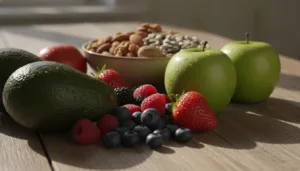
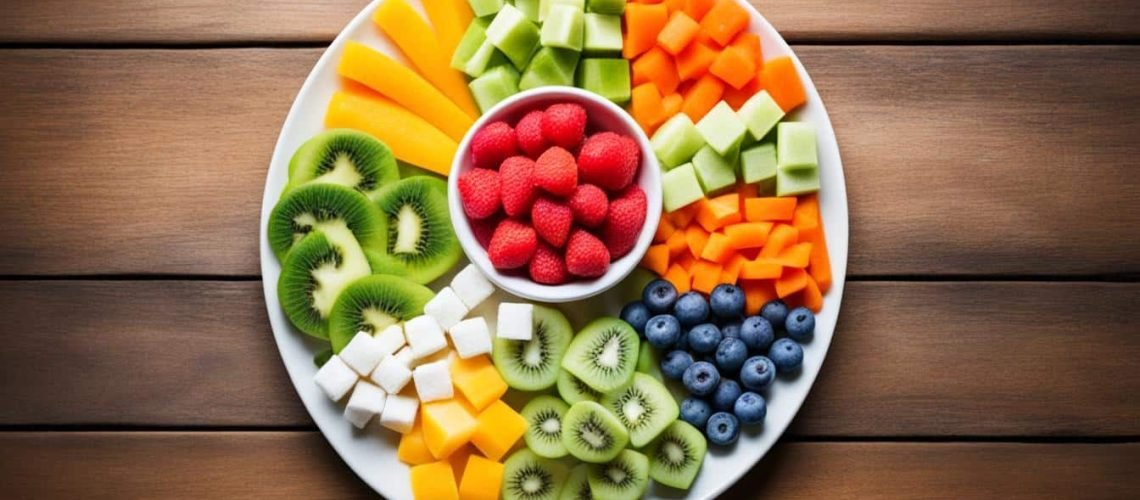
- Fresh Fruit: Fresh fruits like berries, apples, and peaches are nature’s desserts. They’re sweet, full of fiber, and vitamins. They’re great for satisfying sweet cravings naturally.
Switching to these healthy snacks can help you eat less sugar and live healthier. Celebrate when you pick a fresh fruit over a soda, which can cut your sugar intake a lot14. Getting your family and friends to join you makes it easier to stick to healthier habits.
Being mindful of what you snack on and choosing healthier options is a big step towards a low-sugar life. Aim for snacks with less than 5% added sugar to really cut down on sugar. Every small change in your eating habits is a step towards better health.
Navigating Sugar in Social Settings: Parties, Dining Out and Holidays
Going to social events can be tough if you’re watching your sugar intake. But, with some smart tips for dining out and making better food choices, you can still have fun. You don’t have to give up your health goals.
Making Informed Choices While Eating Out
Looking up restaurants before you go can help you pick healthier meals15. Choose dishes with lean proteins like fish or chicken, and add lots of veggies for fiber and nutrients. Watch how much you eat, as it’s key to controlling sugar and calories. Also, drinking water or unsweetened drinks instead of sugary ones can help keep your blood sugar stable. For more tips on managing sugar, check out this guide.
Maintaining a Low-Sugar Diet During Festive Seasons
During holidays, it’s easy to get caught up in sweets. But, it’s important to eat in moderation. Try to keep an eye on your eating habits and be flexible with your diet16. Sharing dishes or eating smaller portions lets you enjoy different tastes without eating too much. Planning ahead, like drinking water before you go, can also help you eat less and stay healthy.
Remember, making smart choices and eating mindfully can make social dining easier. With these tips, you can celebrate without worrying about your health.
Preparing Home-cooked Meals to Control Sugar Content
Preparing meals at home is a great way to manage sugar intake. You can control the ingredients and cook in a healthier way. This method lets you reduce sugar without losing flavor.
Spice It Up: Adding Flavor Without the Sweetness
Using spices can make your dishes taste great without sugar. Cinnamon, for example, can make things sweet without extra sugar. Adding a little cinnamon to oatmeal or coffee can make them taste better and be healthier17.
Other spices like nutmeg, cardamom, and vanilla extract are also good sugar substitutes. They add a unique taste to desserts and baked goods.
Recipe Modifications: Cutting Sugar Without Sacrificing Taste
When changing recipes, try using unsweetened applesauce or mashed bananas instead of sugar. These add sweetness, so you might use less sugar. Using fruits and spices can greatly reduce sugar in your meals without losing flavor.
Adding ingredients like yogurt can also make your dishes healthier. Yogurt is good for reducing type 2 diabetes risk18.
By adapting recipes and using spices and healthier ingredients, you can make tasty, low-sugar meals.
Successful home cooking is about trying new ingredients and flavors while watching the nutrition. Every meal you cook at home is a step towards better health and a more enjoyable dining experience.
Conclusion
Trying to live healthier is a great goal. A key part of this is cutting down on sugar in your diet. By eating foods with less sugar, like those suggested by the American Diabetes Association, you help your health now and in the future.
High amounts of processed sugar from foods can lead to health issues like obesity and mood swings19. To fight this, learn to read food labels well. Choose whole fruits and nuts over sugary snacks. Also, be aware of liquid sugars, like fruit juices, which can increase sugar intake.
Reducing sugar is not about giving up food you love. It’s about making smart choices. Small changes, like drinking water instead of soda, eating foods high in fiber, and knowing what you eat, can greatly improve your health. With effort and knowledge, you can create a healthier future for yourself.