When your child gets a fever or a cough that won’t go away, it’s normal to want to help them quickly. But before you grab the antibiotics, think: Does the medicine risk more than the illness? Antibiotics overuse in kids is a big problem. It affects their health now and can lead to serious issues later. It’s a big concern worldwide, especially in poor areas1.
Antibiotics aren’t a quick fix for everything. Misusing them can make infections harder to treat. This is worse in places with few tests, not enough vaccines, and poor cleanliness2. It’s important to know when antibiotics are really needed and when they’re not.
Key Takeaways:
- Use antibiotics wisely to fight real bacterial infections, not for all illnesses.
- Learning about antibiotic resistance is key for parents and caregivers.
- Knowing the difference between viral and bacterial infections helps avoid unnecessary antibiotics3.
- Finishing all antibiotics and not sharing them helps fight resistance.
- Good hygiene, vaccines, and knowing when to stay home can cut down on antibiotics.
- How parents learn about antibiotics can depend on their culture and where they live4.
Table of Contents
ToggleUnderstanding Antibiotic Overuse and Resistance
Antibiotics are being misused in pediatric care, causing a big problem worldwide. This misuse leads to antibiotic-resistant bacteria. These bacteria are hard to treat, making it harder to cure infections.
Defining Antibiotic Overuse in Children’s Health
Antibiotic overuse means giving antibiotics when they’re not needed or using too much. For example, most ear infections in kids don’t need antibiotics right away5. This can make bacteria resistant to antibiotics. Also, 25% of antibiotics given to kids in hospitals are not needed6.
The Rise of Antibiotic-Resistant Bacteria
Every time antibiotics are used wrongly, it can make bacteria resistant. This is seen in Shigella infections, which are common in kids under five7. These resistant bacteria make treating infections harder and can lead to longer illnesses.
Implications of Resistance on Pediatric Care
Antibiotic resistance can lead to worse health problems. Kids who got the wrong antibiotics for sore throats were more likely to get a C. difficile infection8. Using antibiotics wrongly for ear infections also increased the chance of severe allergic reactions in kids.
This shows how important it is to use antibiotics correctly. It also highlights the need for better healthcare for kids.
Antibiotics: Bacterial vs. Viral Infections
Knowing the difference between bacterial and viral infections is key in treating kids. Antibiotics work against bacterial infections, which are made up of single cells that can invade the body. Viruses, however, are not alive in the same way and can’t be treated with antibiotics.
There’s been a big drop in antibiotics given to young kids for respiratory infections from 1995 to 20069. This shows that doctors are getting better at knowing when antibiotics aren’t needed.
Children 6 months or younger, those 6 months to 2 years with bad symptoms, and kids 2 or older with very bad symptoms should get antibiotics for ear infections10.
- Antibiotics aren’t needed for viral infections like colds or the flu in kids, which is why correct diagnosis is key11.
- Knowing when antibiotics won’t work, like against the common cold or flu, helps keep these medicines effective for when they really are needed. This helps fight antibiotic resistance.
Being able to tell if an infection is bacterial or viral helps doctors use antibiotics right. This keeps kids from getting unnecessary treatments and helps fight antibiotic resistance. It’s important to keep teaching doctors and parents about this, so kids get the best care possible.
The Overuse of Antibiotics in Children: What Every Parent Needs to Know
As a parent, it’s key to know how antibiotics work in taking care of kids. It’s important to understand when they are needed and to correct wrong ideas. This knowledge helps you make better choices for your child’s health.
Identifying When Antibiotics Are Necessary
Many parents think antibiotics cure all childhood illnesses, but that’s not true. They work only against bacterial infections, not viruses like colds and flu. These viruses often make kids’ throats sore. It’s vital to use antibiotics right, as most kids get sick from viruses12.
Doctors should only give antibiotics for bacterial infections like strep throat, some sinusitis, and certain ear infections. But, giving antibiotics for viruses can cause bad effects, like making bacteria resistant13. It can also harm the gut, making kids more likely to get worse infections.
Common Misconceptions in Treating Pediatric Illnesses
- Antibiotics cure all illnesses: Many parents want antibiotics for any sickness, not knowing they don’t work on viruses.
- Antibiotics are not safe: They can cause diarrhea, nausea, and rash. They can also mess with the gut, leading to more problems14.
- More is better: Finishing the antibiotic course is key, even if your child gets better fast15. Skipping doses or stopping early can make bacteria resistant.
It’s crucial for parents to know not all infections need antibiotics. Watching your child’s health and letting some infections heal on their own is part of good care. This helps avoid overusing antibiotics, which is bad because it can lead to infections that don’t respond to treatment.
In conclusion, using antibiotics right and knowing when they’re needed is key in taking care of kids. Being informed helps protect your child’s health and fights antibiotic resistance.
Addressing the Overprescription of Antibiotics
Understanding the overuse of antibiotics is crucial for good pediatric care. It often happens when doctors are unsure if an infection is bacterial or viral. Or when patients and caregivers want a prescription quickly. Studies show that up to 20% of antibiotics given out are not needed16.
There’s a big problem with antibiotic resistance too. In 2019, the World Health Organization said it’s a top health threat worldwide. This makes infections harder to treat, which is bad for kids’ health and makes common illnesses harder to manage.
- Teaching healthcare workers and patients about antibiotics is key
- Using tests and strategies to make sure antibiotics are only given when needed
- Public campaigns and doctor talks are important to change how antibiotics are used
To protect kids’ health, we need to keep a close watch on antibiotic use. Teaching caregivers and parents about when antibiotics are really needed is vital. This will help fix the problem of too many antibiotics.
Consequences of Antibiotic Overuse in Children
Using antibiotics too much in kids can be harmful. It’s important to understand the risks to improve how we care for children’s health.
Short-term and Long-term Health Risks
Too many antibiotics in kids can cause many health problems. They can upset the balance of good and bad bacteria in the gut, leading to allergies, asthma, and obesity. Antibiotics can also affect the brain, making conditions like ADHD and autism more likely17.
Challenges of Treating Drug-Resistant Infections
Using antibiotics too much has made some bacteria resistant to them. This means treating infections in kids can be much harder. This can lead to higher medical bills and longer hospital stays. We need to use antibiotics wisely and look for other treatments to fight this problem.
Parent Education: Proper Antibiotic Usage and Alternatives
Being informed parents means knowing how to use antibiotics right and finding other treatments. This knowledge helps manage common childhood illnesses and keeps your kids healthy.
Questions to Ask Your Child’s Healthcare Provider
Before starting antibiotics, make sure the illness is bacterial, not viral. Viral infections don’t need antibiotics and using them wrongly can make future treatments harder. Talk to your doctor about the risks and benefits of antibiotics and other treatments that might work better.
Effective Non-Antibiotic Treatment Options
- For viral infections like the common cold, staying hydrated, resting, and eating well can help more than antibiotics.
- Preventive steps like vaccines and good hand washing can lower your child’s infection risk. This means they might not need antibiotics as often.
Realizing antibiotics aren’t for every illness is key in fighting antibiotic-resistant bacteria. This problem comes from using antibiotics too much. Research shows that teaching parents about healthy habits can cut down on antibiotic use18.
Knowing about common childhood illnesses and treatment choices helps you make smart health decisions. This not only helps your child but also fights antibiotic resistance.
Protecting Your Child’s Microbiome and Immune System
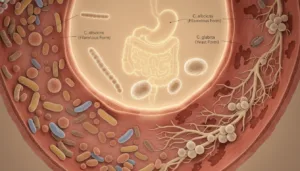
Understanding your child’s microbiome balance is crucial for their health from the start. Antibiotics can change the young microbiome, possibly leading to health problems later19.
Antibiotics can weaken the immune system by harming the microbiome. Early use of antibiotics is linked to more asthma, allergies, and other immune issues in kids. So, it’s key to use antibiotics wisely to protect your child’s microbiome.
- Ask health care providers about the need and type of antibiotics before giving them to your child.
- Feed your child foods high in fibers and probiotics to help their microbiome.
- Make sure antibiotics are only given for bacterial infections, not viral ones.
The microbiome’s impact goes beyond just children’s health. It affects immunity and health throughout life. There are as many microbial cells as human cells in us, showing how big an impact they have on our health20. To support your child, think about adding probiotics with antibiotics to keep the good bacteria levels right.
- Choose antibiotics that target the specific bacteria causing the illness.
- Watch for any health changes in your child after antibiotics.
- Keep up with new research on the microbiome to understand its role in antibiotics and immunity.
- Look into probiotics as an option to help the microbiome during and after antibiotics.
In conclusion, a healthy microbiome is crucial for your child’s immunity and health. Being careful with proper antibiotic usage from the start helps set them up for better health later.
Antimicrobial Stewardship: The Role of Healthcare Providers
In pediatric care, the success of antimicrobial stewardship (AMS) programs depends on healthcare providers’ watchfulness and responsibility. These programs aim to improve how antibiotics are prescribed. They make sure antibiotics are used only when really needed for pediatric patients.
Improving Antibiotic Prescribing Practices in Hospitals
Healthcare workers must be careful when prescribing antibiotics to fight antibiotic resistance and support antibiotics and immunity. Studies showed that many antibiotics were given to children and newborns without clear need21. The CDC’s “Five Ways Pharmacists Can Be Antibiotics Aware” highlights pharmacists’ key role in promoting wise use of antibiotics22. A Cochrane review also showed that certain interventions improved how antibiotics were given in hospitals.
The Importance of Antibiotic Review Programs
Antibiotics review programs are vital for AMS. They regularly check if antibiotics are being used right. This is crucial for the best patient care and to slow down resistance. Studies found that better guidelines led to less use of broad-spectrum antibiotics in children’s hospitals. The “Antibiothérapie en Pédiatrie Canada Alliance” created quality metrics to help improve stewardship. In a Japanese hospital, wide AMS efforts led to better results for patients on intravenous antibiotics23.
By improving how antibiotics are used, healthcare workers can make a big difference in pediatric care. They help keep these important drugs for when they are really needed and work well.
Conclusion
Studies from around the world show us the importance of using antibiotics correctly. It’s a global health issue that affects us all, people often use antibiotics wrong because of misinformation. As parents, knowing the truth about antibiotics is crucial.
Research highlights the need for educating parents. This education helps them make better health choices for their kids.
Healthcare workers and parents must work together to use antibiotics wisely. This helps keep our kids’ microbiome healthy from the start. By doing this, we can keep antibiotics working for the future.