Table of Contents
ToggleIntroduction: Why Natural Remedies?
When it comes to addressing Candida overgrowth, natural remedies offer a gentle yet powerful approach to restoring balance in the body. Unlike pharmaceutical treatments that often come with side effects or only target symptoms temporarily, natural solutions work holistically to address the root causes of the problem. By focusing on dietary changes, lifestyle adjustments, and nourishing the body with natural antifungals and probiotics, these remedies promote long-term harmony between the gut and the rest of the body.
One of the greatest benefits of natural approaches is their ability to support overall wellness. Rather than treating Candida as an isolated issue, these remedies strengthen the immune system, regulate blood sugar levels, and enhance gut health, creating a foundation for sustained vitality. Furthermore, natural remedies empower individuals to take charge of their health, fostering habits that not only manage Candida but also prevent future imbalances.
By choosing natural methods, you’re not just addressing Candida—you’re building a lifestyle that prioritizes long-term health and resilience. The journey may take time and consistency, but the rewards are a stronger body, clearer mind, and lasting energy that enhance every aspect of your life.
Remedy 1: Adopt an Anti-Candida Diet
Adopting an anti-Candida diet is a foundational step in combating Candida overgrowth and restoring balance to your gut and overall health. This dietary approach focuses on eliminating foods that feed Candida while incorporating nourishing options that support your body’s natural defenses.
Eliminating Trigger Foods
Candida thrives on certain foods, and removing these from your diet can help starve the yeast and prevent further overgrowth.
- Sugar: Both refined sugars and natural sweeteners can fuel Candida growth. This includes table sugar, honey, maple syrup, and high-fructose fruits.
- Refined Carbohydrates: Foods made with white flour, such as bread, pasta, and pastries, quickly break down into sugars during digestion.
- Alcohol: Alcoholic beverages contain sugars and yeast, creating an environment conducive to Candida proliferation.
- Processed Foods: Many processed and packaged foods contain added sugars and preservatives that can disrupt gut balance.
By eliminating these trigger foods, you reduce the resources Candida relies on to grow and multiply.
Foods to Include
While it may seem restrictive, the anti-Candida diet includes a variety of delicious and nourishing foods:
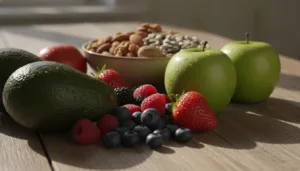
- Low-Sugar Vegetables: Leafy greens (spinach, kale), cruciferous vegetables (broccoli, cauliflower), and other non-starchy veggies are rich in fiber and nutrients.
- Lean Proteins: Opt for chicken, turkey, fish, and plant-based proteins like legumes (if tolerated), which support muscle health without adding excess sugars.
- Healthy Fats: Avocado, olive oil, coconut oil, and nuts (almonds, walnuts) provide essential fatty acids that support cellular function.
- Fermented Foods: Foods like sauerkraut, kimchi, and unsweetened yogurt introduce beneficial bacteria to the gut, helping to outcompete Candida.
- Herbs and Spices: Garlic, ginger, oregano, and cinnamon have natural antifungal properties and add flavor to meals.
Incorporating these foods helps nourish your body while creating an inhospitable environment for Candida.
Tips for Meal Planning
Transitioning to an anti-Candida diet can be manageable with thoughtful meal planning:
- Breakfast Ideas:
- Scrambled eggs with spinach and tomatoes: A protein-rich start to the day.
- Unsweetened yogurt topped with chopped nuts and cinnamon: Adds probiotics and healthy fats.
- Lunch Options:
- Grilled chicken salad with mixed greens, cucumbers, and olive oil dressing: Light yet satisfying.
- Vegetable stir-fry with broccoli, bell peppers, and tofu cooked in coconut oil: Packed with nutrients and flavor.
- Dinner Suggestions:
- Baked salmon with roasted asparagus and quinoa: Omega-3 fatty acids support overall health.
- Zucchini noodles with turkey meatballs and tomato sauce: A low-carb twist on a classic dish.
- Snacks:
- Raw almonds or walnuts: Easy to carry and full of healthy fats.
- Carrot sticks with hummus: Crunchy and satisfying.
- Beverages:
- Herbal teas: Chamomile, peppermint, or ginger teas can soothe digestion.
- Water with lemon: Helps with hydration and detoxification.
By carefully selecting what you eat, you can make significant strides in reducing Candida overgrowth and improving your gut health. Remember, consistency is key, and even small changes can lead to noticeable improvements over time.
Remedy 2: Strengthen Gut Health with Probiotics
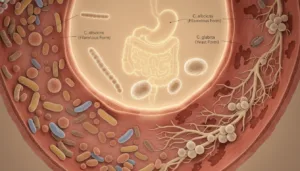
Probiotics are an essential ally in combating Candida overgrowth and restoring balance to the gut. By introducing beneficial bacteria, you can create an environment that discourages Candida from thriving while improving overall digestive and immune health.
The Role of Probiotics in Candida Control
Probiotics, or “good bacteria,” play a critical role in maintaining gut health and preventing harmful organisms like Candida from taking over. Here’s how:
- Crowding Out Candida: Probiotics compete with Candida for resources and space in the gut. When beneficial bacteria colonize effectively, they leave little room for Candida to grow or adhere to intestinal walls.
- Balancing pH Levels: Certain probiotic strains produce lactic acid, which lowers the gut’s pH and creates an acidic environment that inhibits Candida overgrowth.
- Boosting Immune Function: Probiotics enhance the gut’s role as a key immune system regulator, helping the body recognize and respond to Candida effectively.
- Strengthening the Gut Barrier: Probiotics help maintain the integrity of the intestinal lining, reducing the likelihood of Candida-related issues like leaky gut syndrome.
By consistently replenishing your gut with good bacteria, you can disrupt the conditions Candida relies on to proliferate.
Best Probiotic Strains for Fighting Candida
Not all probiotics are created equal. For Candida control, specific strains have shown to be particularly effective:
- Lactobacillus Strains:
- Lactobacillus acidophilus: Known for producing substances that inhibit Candida growth.
- Lactobacillus rhamnosus: Helps balance gut bacteria and enhance immune responses.
- Bifidobacterium Strains:
- Bifidobacterium bifidum: Supports digestion and strengthens the gut lining.
- Bifidobacterium longum: Helps reduce inflammation and restore balance in the microbiome.
These strains work synergistically to create an unfavorable environment for Candida while promoting beneficial gut flora.
Sources of Probiotics
Probiotics can be obtained through food and supplements, making it easy to incorporate them into your daily routine.
- Fermented Foods:
- Sauerkraut: Fermented cabbage packed with live bacteria.
- Kimchi: A spicy Korean dish made with fermented vegetables.
- Kefir: A fermented milk drink rich in diverse probiotic strains.
- Unsweetened Yogurt: A readily available source of probiotics (check for “live and active cultures” on the label).
- Miso and Tempeh: Fermented soy products that also contain beneficial bacteria.
- Probiotic Supplements:
- High-Quality Capsules: Look for multi-strain probiotics with a high CFU (colony-forming unit) count, ideally over 10 billion.
- Targeted Formulas: Choose supplements specifically designed for Candida control, which often include Lactobacillus and Bifidobacterium strains.
- Storage and Viability: Opt for reputable brands that guarantee live cultures, even at the time of consumption.
How to Incorporate Probiotics
- Start Slowly: If you’re new to probiotics, begin with small amounts of fermented foods or low-dose supplements to allow your gut to adjust.
- Combine with Prebiotics: Prebiotic-rich foods (like garlic, onions, and asparagus) act as fuel for probiotics, enhancing their effectiveness.
- Consistency is Key: Regularly consuming probiotics ensures their presence in the gut remains strong.
- Pair with an Anti-Candida Diet: Avoid sugar and refined carbs that can fuel Candida while probiotics are working to outcompete it.
By introducing probiotics through a combination of foods and supplements, you support your body’s natural defenses against Candida while promoting a healthier and more balanced gut microbiome.
Remedy 3: Incorporate Antifungal Supplements and Herbs
Natural antifungal supplements and herbs are powerful tools for addressing Candida overgrowth. They target the yeast directly, helping to reduce its population in the gut while supporting overall gut health. Incorporating these remedies into your wellness plan can accelerate progress and create a healthier internal environment.
Natural Antifungal Agents
Several natural antifungals are particularly effective against Candida:
- Garlic:
- Contains allicin, a compound with potent antifungal and antimicrobial properties.
- Works to inhibit the growth of Candida while promoting beneficial gut bacteria.
- Caprylic Acid:
- A fatty acid derived from coconut oil that penetrates Candida cell walls.
- Disrupts the yeast’s structure, making it easier for the immune system to eliminate.
- Oregano Oil:
- Packed with carvacrol and thymol, which have strong antifungal effects.
- Helps reduce Candida overgrowth and inflammation in the gut.
- Grapefruit Seed Extract:
- Contains compounds that fight yeast, bacteria, and other pathogens.
- Known for its ability to kill Candida while supporting detoxification.
These agents work together to create an inhospitable environment for Candida without disrupting your overall microbiome balance.
How They Work
Natural antifungals target Candida through several mechanisms:
- Disrupting Cell Walls:
- Compounds like caprylic acid and oregano oil weaken Candida’s protective cell wall, making it more vulnerable to the immune system and gut bacteria.
- Inhibiting Reproduction:
- Garlic and grapefruit seed extract interfere with Candida’s ability to multiply and colonize the gut.
- Reducing Biofilms:
- Candida forms protective biofilms to shield itself from treatment. Antifungals like oregano oil can help break these biofilms, exposing the yeast to your body’s defenses.
By targeting Candida directly, these remedies help reduce overgrowth and restore balance in the gut.
Safe Usage
While natural antifungal agents are effective, they must be used carefully to avoid side effects or overuse. Here are some guidelines:
- Garlic:
- Recommended Dosage: 1–2 cloves of raw garlic per day, or 600–1200 mg of garlic extract.
- Potential Side Effects: May cause stomach upset in high doses or if consumed raw. Start with small amounts.
- Caprylic Acid:
- Recommended Dosage: 500–1000 mg per day, taken with meals.
- Potential Side Effects: Mild digestive discomfort, such as bloating or diarrhea, especially when starting out.
- Oregano Oil:
- Recommended Dosage: 100–200 mg capsules or 3–4 drops of oil diluted in water, up to twice daily.
- Potential Side Effects: Can irritate the stomach lining if taken on an empty stomach. Always dilute and avoid long-term use without breaks.
- Grapefruit Seed Extract:
- Recommended Dosage: 10–20 drops diluted in water, 1–3 times daily.
- Potential Side Effects: Can interact with certain medications (e.g., statins, blood thinners). Consult a healthcare provider if you’re on medications.
Tips for Safe Use:
- Start Slowly: Introduce one antifungal at a time to monitor your body’s reaction.
- Stay Hydrated: Antifungal treatments can release toxins from dying yeast (a phenomenon called die-off). Drinking water helps flush these toxins out.
- Take Breaks: Use antifungals in cycles (e.g., 2 weeks on, 1 week off) to avoid resistance and maintain effectiveness.
- Consult a Professional: If you’re pregnant, breastfeeding, or have existing medical conditions, seek advice before starting antifungal supplements.
By incorporating antifungal supplements and herbs into your routine, you can directly combat Candida overgrowth while supporting the body’s natural healing processes. Combined with a healthy diet and probiotics, these remedies are a powerful step toward restoring gut health and overall well-being.
Remedy 4: Maintain Blood Sugar Balance
Maintaining stable blood sugar levels is a crucial strategy in combating Candida overgrowth. Candida feeds on sugar, and fluctuations in blood sugar can create an environment that allows the yeast to thrive. By adopting habits that support blood sugar stability, you can deprive Candida of its primary fuel source and promote overall health.
The Candida-Sugar Connection
Candida has a direct relationship with sugar, making blood sugar regulation a key factor in controlling its growth:
- Sugar as Candida’s Fuel:
- Candida thrives on glucose and other sugars, using them to multiply and create biofilms that shield it from the immune system.
- High blood sugar levels provide an abundant food source for Candida, worsening overgrowth.
- Fluctuating Blood Sugar Levels:
- When blood sugar spikes due to consuming refined carbs or sugary foods, it creates a feeding frenzy for Candida.
- Frequent spikes and crashes can also stress the body’s hormonal balance, weakening the immune system and making it harder to control Candida.
By keeping blood sugar stable, you cut off Candida’s supply chain and create a less hospitable environment for overgrowth.
Strategies for Stability
Regulating blood sugar involves adopting a balanced diet and mindful eating habits:
- Eat Balanced Meals:
- Focus on meals that combine protein, healthy fats, and fiber-rich carbohydrates. This slows digestion and helps prevent rapid blood sugar spikes.
- Examples:
- Grilled chicken with quinoa and roasted vegetables.
- A salad with avocado, nuts, and olive oil dressing.
- Avoid high-glycemic foods like white bread, pastries, and sugary snacks, which cause rapid spikes.
- Reduce Sugar Intake:
- Eliminate refined sugars and limit natural sugars like honey, maple syrup, and high-sugar fruits (e.g., bananas, grapes).
- Replace with lower-sugar alternatives like berries, which are rich in antioxidants but low in sugar.
- Stay Hydrated:
- Dehydration can impair the body’s ability to regulate blood sugar effectively.
- Drink water consistently throughout the day, aiming for at least 8 cups or more depending on activity level.
- Snack Smartly:
- Choose snacks that sustain energy without spiking blood sugar, such as a handful of raw almonds or celery sticks with almond butter.
- Eat Regularly:
- Skipping meals can lead to blood sugar crashes, which may trigger cravings for sugary foods. Aim for regular meals spaced evenly throughout the day.
The Role of Exercise
Regular physical activity plays a significant role in blood sugar regulation and overall gut health:
- Improving Insulin Sensitivity:
- Exercise helps muscles use glucose more effectively, reducing the amount of sugar circulating in the bloodstream.
- Activities like brisk walking, strength training, and yoga improve insulin sensitivity and prevent blood sugar spikes.
- Reducing Candida’s Food Source:
- By maintaining stable blood sugar levels through exercise, you deprive Candida of the sugars it needs to grow and thrive.
- Enhancing Gut Health:
- Physical activity increases gut motility and circulation, which can improve digestion and support a balanced microbiome.
Tips for Incorporating Exercise:
- Start Small: Begin with 20–30 minutes of moderate exercise, such as walking or cycling, and gradually increase intensity.
- Be Consistent: Aim for at least 3–5 days of activity per week to maintain steady blood sugar regulation.
- Combine Strength and Cardio: Strength training builds muscle, which helps with glucose utilization, while cardio improves overall metabolic health.
By stabilizing blood sugar levels through mindful eating and regular exercise, you create a less favorable environment for Candida while boosting your overall health. This approach not only addresses Candida but also lays the foundation for sustained energy, better digestion, and improved well-being.
Remedy 5: Support Detoxification and Immune Function
Supporting your body’s detoxification processes and boosting immune health are essential steps in conquering Candida overgrowth. By helping the body eliminate toxins and strengthening its natural defenses, you create an environment that promotes healing and balance.
Detoxing the Body
Candida overgrowth can produce harmful byproducts and toxins that burden the body. Detoxifying helps clear these substances while supporting overall health.
- Drinking Plenty of Water:
- Hydration is vital for flushing toxins out through the kidneys and improving digestion.
- Aim for 8–10 glasses of water daily, and consider adding lemon for extra detoxifying benefits.
- Consuming Liver-Supporting Foods:
- The liver is a key organ in detoxification, and certain foods can enhance its function:
- Cruciferous Vegetables: Broccoli, kale, and Brussels sprouts boost liver enzyme activity.
- Beets: Contain compounds that support bile production and liver detoxification.
- Turmeric: Its active compound, curcumin, helps protect the liver from oxidative stress.
- The liver is a key organ in detoxification, and certain foods can enhance its function:
- Practicing Dry Brushing:
- Dry brushing stimulates the lymphatic system, which plays a role in toxin elimination.
- Use a natural-bristle brush to gently massage the skin in circular motions before showering, starting from your extremities and moving toward your heart.
Boosting Immune Health
A strong immune system is essential for keeping Candida in check and preventing future overgrowth.
- Sleep:
- Sleep is critical for immune function and recovery. Aim for 7–9 hours of quality sleep each night.
- Create a calming bedtime routine by avoiding screens and using relaxation techniques.
- Stress Management:
- Chronic stress weakens the immune system and disrupts gut health, making it harder to fight Candida.
- Practice stress-reducing activities like deep breathing, journaling, or spending time in nature.
- Key Vitamins and Nutrients:
- Vitamin C: Boosts immune response and helps reduce inflammation. Found in citrus fruits, bell peppers, and strawberries.
- Zinc: Supports immune function and helps heal gut tissue. Found in pumpkin seeds, nuts, and shellfish.
- Vitamin D: Enhances immune regulation. Spend time in sunlight or take a high-quality supplement if levels are low.
Lifestyle Tips
In addition to detoxification and nutrition, adopting certain lifestyle practices can enhance your body’s natural defenses:
- Yoga and Meditation:
- Yoga improves circulation and digestion, while meditation helps reduce stress and regulate hormones that affect immune function.
- Reducing Environmental Toxins:
- Minimize exposure to household chemicals, pesticides, and synthetic fragrances by choosing natural cleaning products and personal care items.
- Use a water filter and avoid plastic containers that can leach harmful chemicals.
- Gentle Movement:
- Light exercise like walking or stretching improves lymphatic drainage, supporting detoxification and boosting energy levels.
- Epsom Salt Baths:
- Soaking in a warm bath with Epsom salts can help relax muscles and support detoxification through the skin.
By focusing on detoxification and immune support, you not only help the body eliminate Candida and its toxins but also build a stronger foundation for long-term health. Incorporating these practices into your routine creates an environment where Candida struggles to thrive, allowing you to enjoy greater vitality and balance.
Conclusion
Restoring balance and reclaiming your health from Candida overgrowth is a journey, but it’s one that begins with a single step. By incorporating the natural remedies outlined—adopting an anti-Candida diet, strengthening gut health with probiotics, using antifungal supplements, maintaining blood sugar stability, and supporting detoxification and immune function—you’re empowering your body to heal from the inside out.
It’s important to remember that this process doesn’t require perfection. Start small and focus on making one change at a time. Perhaps begin by eliminating sugar from your diet or adding a daily probiotic to your routine. As these changes become habits, you can build on them, gradually integrating more of the remedies to create a comprehensive approach to your health.
Consistency is key. Candida overgrowth didn’t happen overnight, and the road to balance and wellness may take time. Be patient with yourself, celebrate small victories, and trust the process. Each step you take brings you closer to a healthier, more vibrant version of yourself.
Now is the time to take action. Choose one remedy to implement today, and commit to making your health a priority. With dedication and persistence, you can conquer Candida and enjoy the lasting benefits of improved energy, digestion, and overall well-being. Your journey to reclaiming your health starts now—take the first step and stay the course!