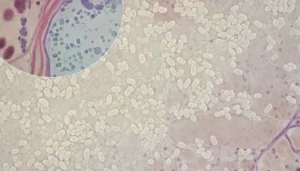
Natural remedies like essential oils are particularly appealing because they not only address Candida at its root but also support overall wellness. Unlike harsh pharmaceuticals, essential oils can often be used with fewer side effects when applied correctly. Additionally, their versatility allows for a range of uses—whether diffused, applied topically, or used in conjunction with other natural therapies. For those seeking an alternative to traditional medications, essential oils offer a plant-based, effective, and accessible option for keeping Candida overgrowth in check.
Understanding How Essential Oils Work Against Candida
Essential oils have long been celebrated for their ability to combat fungal infections, including Candida overgrowth. Their natural antifungal properties and unique ability to target Candida biofilms make them a powerful tool in the fight against this pervasive issue. To fully appreciate their effectiveness, it’s essential to understand how these plant-derived oils interact with Candida at both a microbial and structural level.
Antifungal Properties of Essential Oils
Many essential oils are rich in compounds with potent antifungal effects, making them highly effective against Candida. For instance:
- Oregano oil contains carvacrol and thymol, which have been shown to inhibit fungal growth by disrupting Candida’s cell membrane.
- Clove oil is packed with eugenol, a compound that not only kills Candida cells but also prevents them from reproducing.
- Tea tree oil boasts terpinen-4-ol, an antifungal compound that inhibits Candida’s ability to thrive in both topical and internal infections.
These compounds work by targeting the structural integrity of Candida cells. They weaken the cell membrane, making it permeable and causing the fungal cells to lose their internal balance and die. This action effectively reduces the fungal load and helps manage symptoms of overgrowth.
What sets essential oils apart from synthetic antifungals is their complexity. Each oil contains a variety of active components, reducing the likelihood of Candida developing resistance—a common problem with pharmaceuticals. This multi-pronged approach allows essential oils to remain effective over time, even with repeated use.
How Essential Oils Disrupt Candida Biofilms
Candida doesn’t just float freely in the body—it often forms protective communities known as biofilms. These biofilms are made up of fungal cells encased in a slimy, protective matrix that shields them from antifungal treatments and the immune system. Biofilms are one of the primary reasons why Candida infections can be so persistent and difficult to treat.
Essential oils, however, have a unique ability to penetrate and disrupt these biofilms. Here’s how they work:
- Breaking Down the Protective Barrier
Certain oils, like lemongrass and cinnamon, contain compounds that degrade the biofilm’s protective matrix. This weakens the structure, making the Candida cells within more vulnerable to attack. - Inhibiting Biofilm Formation
Essential oils like oregano and tea tree oil not only break down existing biofilms but also prevent Candida from forming new ones. This is particularly important for stopping recurring infections. - Targeting Dormant Candida Cells
Biofilms often harbor dormant fungal cells that can “wake up” and reignite the infection. Essential oils have been found to penetrate these biofilms and kill both active and dormant cells, providing a more comprehensive treatment.
The ability of essential oils to disrupt biofilms is a game-changer in Candida management. By dismantling these protective structures, they expose the Candida cells, making them easier to eliminate through the body’s natural defenses or complementary treatments.
The Synergistic Effect of Essential Oils
Another remarkable feature of essential oils is their synergy. When combined, different oils can enhance each other’s antifungal and biofilm-disrupting properties. For example, mixing tea tree oil with oregano oil can create a more potent blend that targets Candida from multiple angles. This synergistic effect allows users to achieve better results without resorting to higher doses, reducing the risk of side effects.
Top Essential Oils for Candida Relief
Below is a detailed guide to the top essential oils that can help manage Candida, including their key benefits and safe usage methods.
1. Tea Tree Oil
Key Benefits:
Tea tree oil is renowned for its potent antifungal and antimicrobial properties. It can effectively target Candida by disrupting its cell membranes, inhibiting growth, and preventing further colonization.
How to Use:
- Dilution: Tea tree oil is very strong and should always be diluted before use. Mix 1-2 drops of tea tree oil with a carrier oil, such as coconut or olive oil, for safe application.
- Topical Application: Apply the diluted mixture to affected areas, such as the skin or nails, where Candida infections are present.
- Caution: Tea tree oil is not safe for internal use. Avoid contact with eyes and mucous membranes.
2. Oregano Oil
Key Benefits:
Oregano oil is a powerhouse against Candida due to its high concentration of carvacrol and thymol, two active compounds with potent antifungal effects. It can also help prevent the formation of Candida biofilms.
How to Use:
- Internal Use: Add 1-2 drops of oregano oil to a glass of water or mix with a teaspoon of coconut oil. Consume once daily for a limited duration (no more than two weeks). Always consult a healthcare professional before internal use.
- Topical Application: Dilute 1-2 drops in a carrier oil and apply to the affected area.
- Caution: Oregano oil is very potent and should never be used undiluted. Avoid prolonged use to prevent irritation.
3. Clove Oil
Key Benefits:
Rich in eugenol, clove oil is a powerful antifungal that can kill Candida cells and reduce inflammation. It also supports oral health, where Candida overgrowth is often a problem.
How to Use:
- Oral Care: Add a drop of clove oil to a glass of water for a natural mouthwash. Swish for 30 seconds to a minute and spit out.
- Topical Application: Dilute with a carrier oil (e.g., 2-3 drops in a tablespoon of carrier oil) and apply to the skin or nails where fungal infections are present.
- Caution: Avoid ingesting clove oil in large amounts and keep away from sensitive skin areas without proper dilution.
4. Lavender Oil
Key Benefits:
Lavender oil is well-known for its soothing properties and mild antifungal effects. It is particularly useful for managing Candida infections that involve skin irritation or inflammation.
How to Use:
- Topical Use: Dilute a few drops in a carrier oil and gently massage into the skin. This is ideal for soothing rashes or irritated areas caused by Candida.
- Diffusion: Add a few drops to a diffuser to support overall relaxation and boost immune response against infections.
- Caution: Perform a patch test to check for sensitivity before topical use.
5. Lemongrass Oil
Key Benefits:
Lemongrass oil is highly effective at breaking down Candida biofilms, making it easier to eliminate the fungal infection. It also has anti-inflammatory properties that reduce symptoms.
How to Use:
- Dilution: Combine 1-2 drops of lemongrass oil with a carrier oil.
- Topical Application: Apply the diluted mixture to affected areas of the skin or nails.
- Aromatherapy: Add to a diffuser or bath to reduce stress and support immune function.
- Caution: Lemongrass oil can be irritating if used undiluted. Always test for sensitivity first.
6. Cinnamon Oil
Key Benefits:
Cinnamon oil is both anti-inflammatory and antifungal, making it an excellent choice for combating Candida infections. It also promotes circulation, which can aid healing.
How to Use:
- Internal Use: If safe and approved by a healthcare provider, add 1 drop of cinnamon oil to tea or a smoothie.
- Topical Use: Dilute 1-2 drops in a carrier oil and apply to the skin.
- Caution: Cinnamon oil is very strong and can cause irritation if not properly diluted. Avoid internal use without professional guidance.
Tips for Using Essential Oils Safely
- Always dilute essential oils with a carrier oil to prevent skin irritation or other adverse reactions.
- Avoid applying essential oils directly to sensitive areas, such as the eyes or genitals.
- For internal use, only consume food-grade essential oils and consult a healthcare professional to ensure safety.
- Use oils in moderation and take breaks to avoid overuse or potential resistance.
Complementary Strategies to Support Candida Management
While essential oils are powerful tools in combating Candida overgrowth, their effectiveness can be greatly enhanced when combined with complementary strategies that address the root causes of Candida. A holistic approach, focusing on diet, lifestyle changes, and targeted treatments, can significantly improve results and prevent recurrence. One of the best ways to kickstart your journey to a Candida-free life is by following a structured plan, like the 7-Day Candida Diet Cleanse, which provides a focused approach to resetting your body and eliminating Candida.
Diet and Lifestyle Changes to Prevent Candida Growth
Candida thrives in environments created by poor dietary and lifestyle habits. Making intentional changes can disrupt this cycle and create conditions where Candida struggles to survive.
- Adopt a Low-Sugar, Low-Carb Diet:
- Candida feeds on sugar and refined carbohydrates. Cutting out these foods starves the yeast, reducing its ability to grow and spread.
- Avoid sugary drinks, baked goods, candy, and processed foods.
- Replace refined carbs with whole, nutrient-dense options like leafy greens, non-starchy vegetables, and healthy fats.
- Limit or Eliminate Alcohol:
- Alcohol breaks down into sugars and can disrupt the gut microbiome, creating an ideal environment for Candida.
- Swap alcoholic beverages for herbal teas, water with lemon, or kombucha (in moderation).
- Manage Stress and Get Adequate Sleep:
- Chronic stress and poor sleep weaken the immune system, making it harder to fight off Candida.
- Incorporate stress-reducing practices like meditation, yoga, or deep breathing exercises.
Incorporating Probiotics and Antifungal Foods
Restoring balance to your gut microbiome is crucial in combating Candida overgrowth. Probiotic-rich foods and antifungal ingredients play a key role in this process.
- Probiotic Foods:
- Include fermented foods like yogurt (unsweetened), sauerkraut, kimchi, and kefir. These introduce beneficial bacteria that compete with Candida for resources.
- Probiotic supplements can also be helpful, especially those containing strains like Lactobacillus and Bifidobacterium.
- Antifungal Foods:
- Garlic: Contains allicin, a compound with natural antifungal properties.
- Coconut Oil: Rich in caprylic acid, which helps break down Candida cell walls.
- Ginger: Reduces inflammation and supports digestion.
- Turmeric: Contains curcumin, which inhibits fungal growth.
- Apple Cider Vinegar: Helps balance pH levels and creates an environment where Candida struggles to thrive.
Incorporating these foods alongside essential oils like oregano or tea tree oil can create a multi-faceted attack on Candida, making it harder for the yeast to survive.
How Essential Oils Can Complement Conventional Treatments
Essential oils can enhance the effectiveness of conventional Candida treatments by working synergistically with them.
- Boosting Antifungal Medications:
- Oils like oregano and clove have been shown to improve the efficacy of antifungal drugs by breaking down Candida biofilms and exposing the yeast to medication.
- Supporting Gut Health:
- Diffusing calming oils like lavender or using lemongrass oil in massage can reduce stress, which indirectly strengthens the immune system.
- Reducing Symptoms Naturally:
- Essential oils can soothe symptoms like skin irritation or oral thrush without the side effects often associated with pharmaceutical options.
Kickstarting Your Journey with the 7-Day Candida Diet Cleanse
For those looking for a structured and effective way to begin their Candida management journey, the 7-Day Candida Diet Cleanse is a perfect solution.
- What It Offers:
- A clear, step-by-step plan to detoxify your body and reduce Candida overgrowth quickly.
- Recipes and meal ideas that eliminate sugar, refined carbs, and other triggers while incorporating antifungal foods and probiotics.
- Guidance on integrating essential oils into your routine, including which oils to use and how to use them safely.
- Why It Works:
- The cleanse combines diet, lifestyle adjustments, and natural remedies, offering a comprehensive approach to Candida management.
- It provides a jumpstart to long-term habits that prevent Candida recurrence.
By following this plan, you’ll set the foundation for eliminating Candida and reclaiming your health.
Conclusion
Candida management requires more than just targeting the yeast itself—it involves creating an environment where Candida cannot thrive. Through strategic dietary changes, probiotic support, and the integration of essential oils, you can significantly improve your results. Using a structured program like the 7-Day Candida Diet Cleanse ensures you start strong and stay on track, giving you the tools and knowledge to eliminate Candida and maintain a healthy, balanced body.