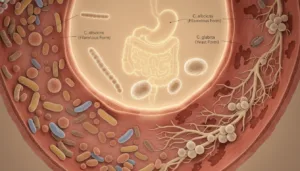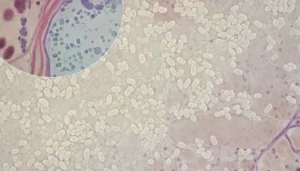
Have you ever noticed how sugar cravings seem to fuel an endless cycle of fatigue, brain fog, and digestive discomfort? This might be more than just a sweet tooth—it could be a sign of Candida overgrowth. Candida, a type of yeast naturally present in the body, thrives on sugar and can wreak havoc on your health when left unchecked. What’s worse, unstable blood sugar levels can make the problem even harder to manage, creating a vicious loop of imbalances.
Managing Candida and maintaining stable blood sugar levels go hand in hand. By addressing both issues, you can improve your energy, digestion, and overall well-being. When these two areas are under control, it’s easier to feel your best and prevent long-term health complications.
In this post, we’ll explore five effective solutions for tackling Candida and keeping your blood sugar in check. From making simple dietary changes to incorporating powerful natural remedies, these steps will help you break the cycle and support your health from the inside out.
Table of Contents
ToggleHow Candida Overgrowth Affects Blood Sugar
Candida overgrowth and blood sugar imbalances are closely intertwined, creating a cycle that can be challenging to break:
- Candida Thrives on Sugar: Candida feeds on sugar and carbohydrates, which act as its primary energy source. A diet high in sugar fuels its growth, allowing the yeast to multiply rapidly.
- Triggering Sugar Cravings: As candida grows, it can influence the body to crave more sugar. This happens because the yeast releases byproducts that interfere with normal gut and brain signaling, making sugar cravings feel nearly irresistible.
- Blood Sugar Spikes and Crashes: Consuming large amounts of sugar to satisfy these cravings leads to spikes in blood sugar levels, followed by crashes. These fluctuations further strain the body’s systems, creating a hospitable environment for candida to thrive.
- Weakened Immune Response: Chronic blood sugar imbalances can suppress the immune system, reducing its ability to fight off candida overgrowth and perpetuating the cycle.
Signs of Imbalance
Both candida overgrowth and unstable blood sugar levels can manifest in various symptoms. Recognizing these signs can help you identify if these issues might be affecting you:
- Digestive Symptoms:
- Bloating, gas, and diarrhea or constipation.
- Frequent yeast infections or urinary tract infections.
- Skin Issues:
- Rashes, acne, or fungal infections like athlete’s foot or nail fungus.
- Energy and Mood:
- Persistent fatigue, even after rest.
- Brain fog, difficulty concentrating, or irritability.
- Sugar Dependence:
- Intense sugar cravings or carbohydrate addiction.
- Mood swings after eating sugary foods.
- Blood Sugar Imbalance Symptoms:
- Feeling shaky, dizzy, or lightheaded between meals.
- Unexplained weight gain or difficulty losing weight.
- Excessive thirst and frequent urination.
If these symptoms sound familiar, it could be time to assess your diet and lifestyle habits to address both candida overgrowth and blood sugar instability. Taking action to balance these factors can significantly improve your health and vitality.
Solution 1: Incorporate Blood Sugar-Stabilizing Foods
Managing Candida and maintaining healthy blood sugar levels go hand in hand, as blood sugar spikes can feed Candida and exacerbate overgrowth. One of the most effective ways to keep blood sugar levels stable is by incorporating foods that have a minimal impact on glucose levels while providing essential nutrients to support overall health. Let’s explore these food categories and how they work together to promote balanced blood sugar.
Non-Starchy Vegetables
Non-starchy vegetables are low in carbohydrates and high in fiber, making them ideal for stabilizing blood sugar. Their slow digestion rate prevents sudden glucose spikes, and their nutrient density supports gut health, which is critical when managing Candida.
Examples:
- Leafy Greens: Spinach, kale, arugula, and Swiss chard are rich in fiber, vitamins, and minerals like magnesium, which plays a role in blood sugar regulation.
- Broccoli and Cauliflower: These cruciferous vegetables not only stabilize blood sugar but also contain compounds that support liver detoxification, aiding in Candida die-off.
- Zucchini and Bell Peppers: Low in carbs and versatile, they are great for adding bulk to meals without impacting blood sugar.
How to Use:
Incorporate these vegetables into every meal, whether raw in salads, roasted as a side dish, or blended into soups and smoothies.
Healthy Fats
Healthy fats are crucial for blood sugar stability because they have no direct impact on glucose levels and help slow the absorption of carbohydrates. They also provide long-lasting energy and support hormone regulation, which can indirectly influence Candida and blood sugar management.
Examples:
- Avocados: Packed with monounsaturated fats, fiber, and potassium, avocados help regulate blood sugar and keep you feeling full longer.
- Nuts and Seeds: Almonds, walnuts, chia seeds, and flaxseeds are excellent sources of healthy fats and also provide protein and fiber for balanced blood sugar.
- Olive Oil and Coconut Oil: Both oils are anti-inflammatory and can be used in cooking or as a base for dressings and dips.
How to Use:
Add sliced avocado to salads or meals, sprinkle nuts and seeds over dishes, or drizzle olive oil over roasted vegetables for a satisfying and stabilizing effect.
High-Quality Proteins
Protein is essential for maintaining steady blood sugar levels as it slows the digestion of carbohydrates and promotes a gradual release of glucose into the bloodstream. Additionally, protein supports immune function and muscle repair, both of which are important during Candida management.
Examples:
- Eggs: A versatile and nutrient-dense protein source that is quick to prepare and pairs well with vegetables.
- Chicken and Turkey: Lean proteins that are easy to digest and provide essential amino acids.
- Fish: Fatty fish like salmon and mackerel are rich in omega-3 fatty acids, which reduce inflammation and further support blood sugar stability.
How to Use:
Include a protein source in every meal, such as eggs for breakfast, grilled chicken in salads for lunch, or baked fish with non-starchy vegetables for dinner.
The Importance of Pairing Carbohydrates with Fats or Proteins
Even on a Candida-friendly diet, some carbohydrates are necessary to provide energy and essential nutrients. The key is to pair them with healthy fats or proteins to slow their absorption and prevent blood sugar spikes.
Why This Works:
- Carbs are digested more slowly when combined with fats or proteins, leading to a gradual release of glucose.
- This pairing reduces cravings, promotes satiety, and helps sustain energy levels throughout the day.
Example Combinations:
- Pair a handful of nuts with a few slices of cucumber or bell pepper.
- Top a slice of zucchini with avocado and smoked salmon for a satisfying snack.
- Add olive oil and grilled chicken to a bowl of leafy greens for a balanced, nutrient-dense salad.
Practical Tips for Blood Sugar-Stabilizing Meals
- Prioritize a combination of non-starchy vegetables, healthy fats, and proteins in every meal.
- Minimize high-glycemic foods, such as sweet potatoes or fruits, and always pair them with fats or proteins to slow absorption.
- Use whole, unprocessed ingredients to avoid hidden sugars or refined carbs that can destabilize blood sugar.
By focusing on these nutrient-rich, blood sugar-stabilizing foods, you can create a diet that not only supports Candida management but also promotes long-term health and energy.
Solution 2: Use Natural Antifungal Remedies
Managing Candida overgrowth effectively requires targeting the yeast directly with antifungal agents. Natural remedies offer a safe, effective, and accessible way to combat Candida while also supporting overall health. Among these remedies, coconut oil, garlic, and oregano oil stand out for their potent antifungal properties. Additionally, addressing Candida helps stabilize blood sugar levels by reducing the yeast’s ability to interfere with glucose metabolism.
Coconut Oil: A Source of Caprylic Acid
Coconut oil is a powerful natural antifungal thanks to its high content of caprylic acid, a medium-chain fatty acid that directly targets Candida. Caprylic acid works by breaking down the cell membranes of Candida, causing the yeast to die off and preventing its further spread.
Benefits for Candida Management:
- Disrupts Candida cell walls, making it harder for the yeast to thrive.
- Helps reduce inflammation in the gut caused by Candida overgrowth.
How to Use Coconut Oil:
- Cooking: Use coconut oil as a replacement for other cooking oils to integrate it seamlessly into your diet.
- Raw Consumption: Start with 1 teaspoon of virgin coconut oil daily, gradually increasing to 2-3 tablespoons to avoid die-off symptoms.
- Topical Use: Apply coconut oil directly to skin infections caused by Candida.
Garlic: Nature’s Antifungal Powerhouse
Garlic contains allicin, a sulfur compound with strong antifungal and antimicrobial properties. Allicin not only kills Candida but also inhibits its ability to form biofilms, which are protective layers that make the yeast more resistant to treatment.
Benefits for Candida Management:
- Targets Candida in the digestive system, mouth (oral thrush), and on the skin.
- Boosts the immune system, making it easier for the body to fight off infections.
How to Use Garlic:
- Raw Garlic: Crush or chop fresh garlic and let it sit for 10 minutes to activate allicin before consuming. Add it to salads, soups, or stir-fries.
- Garlic Supplements: For those who find raw garlic too strong, garlic capsules or tablets are a convenient option. Look for supplements standardized for allicin content.
Oregano Oil: A Potent Antifungal
Oregano oil is one of the most effective natural remedies for Candida due to its high levels of carvacrol and thymol—two active compounds with potent antifungal properties. These compounds not only kill Candida cells but also disrupt biofilm formation, making it harder for the yeast to survive and multiply.
Benefits for Candida Management:
- Effective against drug-resistant strains of Candida.
- Prevents recurrence by inhibiting the yeast’s ability to adhere to surfaces.
How to Use Oregano Oil:
- Internal Use: Add 1-2 drops of oregano oil to a glass of water or a teaspoon of coconut oil and consume once daily for no more than two weeks.
- Topical Use: Dilute oregano oil with a carrier oil (e.g., coconut oil) before applying it to affected areas of the skin.
- Caution: Oregano oil is very potent; avoid undiluted use and consult a healthcare provider for prolonged use.
How Stabilizing Candida Helps Regulate Blood Sugar Levels
Candida overgrowth can disrupt the balance of gut bacteria and interfere with glucose metabolism in several ways:
- Increased Sugar Cravings: Candida thrives on sugar, and its presence can drive sugar cravings, leading to blood sugar spikes and crashes. Reducing Candida reduces these cravings and stabilizes glucose levels.
- Gut Health Restoration: A healthy gut microbiome plays a critical role in regulating blood sugar by improving insulin sensitivity. Reducing Candida allows beneficial gut bacteria to flourish, creating a more balanced environment.
- Reduced Inflammation: Candida overgrowth triggers chronic inflammation, which is linked to insulin resistance and blood sugar dysregulation. Natural antifungals lower Candida levels, reducing inflammation and improving glucose control.
By incorporating natural antifungal remedies, you can create a twofold benefit: effectively managing Candida while promoting healthier and more stable blood sugar levels.
Practical Tips for Using Antifungal Remedies
- Start with small doses of antifungal remedies to avoid Candida die-off symptoms (Herxheimer reaction), such as fatigue or headaches.
- Rotate antifungals (e.g., alternate between garlic and oregano oil) to prevent Candida from adapting to one treatment.
- Combine antifungals with a Candida-friendly diet for the best results, ensuring you’re starving the yeast while killing it.
Using natural antifungal remedies like coconut oil, garlic, and oregano oil can significantly reduce Candida overgrowth, improve gut health, and indirectly regulate blood sugar levels, supporting your overall wellness journey.
Solution 3: Focus on Intermittent Fasting
Intermittent fasting (IF) is a dietary pattern that alternates between periods of eating and fasting. It has gained popularity for its numerous health benefits, including improved blood sugar regulation and enhanced metabolic health. For those managing Candida overgrowth, intermittent fasting offers additional benefits by supporting the digestive system and helping to create an internal environment less favorable for Candida.
Why It Works
Intermittent fasting works on multiple levels to promote better blood sugar control and indirectly manage Candida:
- Improved Insulin Sensitivity:
- During fasting periods, the body relies on stored energy instead of a constant influx of glucose from food. This allows insulin levels to stabilize, improving the body’s sensitivity to insulin and helping to prevent blood sugar spikes.
- Reduced Blood Sugar Fluctuations:
- By eliminating frequent snacking and focusing on set eating windows, intermittent fasting reduces the frequency of blood sugar highs and lows. This steadier glucose level deprives Candida of one of its primary energy sources—sugar.
- Digestive System Rest:
- Fasting gives the digestive system a break from constant processing, allowing the gut to focus on repair and regeneration. This is especially beneficial for Candida management as it supports gut lining integrity and promotes a balanced microbiome.
- Lower Inflammation:
- Fasting reduces inflammation throughout the body, including the gut. Since Candida overgrowth is often associated with chronic inflammation, fasting can help create a more balanced and healthier internal environment.
How to Start
Starting intermittent fasting doesn’t require drastic changes. Gradually easing into a fasting routine allows your body to adapt smoothly while minimizing discomfort.
- Begin with a 12-Hour Fast:
- A 12-hour fast is a manageable starting point for most people. For example, stop eating at 8 PM and don’t consume anything except water or herbal tea until 8 AM the next day.
- This basic fasting period helps your body adjust to spending more time without food, which can reduce reliance on constant glucose availability.
- Gradually Increase to 16 Hours:
- Once comfortable with 12 hours, extend the fasting window to 16 hours (e.g., eating only between 10 AM and 6 PM).
- This approach, known as the 16:8 method, is one of the most popular intermittent fasting strategies because it strikes a balance between fasting benefits and daily flexibility.
- Focus on Nutrient-Dense Meals:
- During eating windows, prioritize foods that stabilize blood sugar and support Candida management, such as healthy fats, high-quality proteins, and non-starchy vegetables.
- Avoid high-sugar or refined-carb foods that can spike glucose levels and feed Candida.
- Stay Hydrated:
- Drink plenty of water throughout the fasting period to support detoxification and prevent dehydration. Herbal teas can also help, but avoid sweetened beverages.
- Consult a Healthcare Provider:
- If you have existing blood sugar issues, such as diabetes or hypoglycemia, or any other medical conditions, consult a healthcare provider before starting intermittent fasting. They can help you tailor a fasting plan to your individual needs.
Tips for Success
- Listen to Your Body: If you feel lightheaded, fatigued, or excessively hungry, adjust your fasting period. Your body needs time to adapt to this new rhythm.
- Avoid Overeating: When breaking your fast, eat a balanced, nutrient-dense meal instead of overloading on calories or carbs.
- Stay Consistent: Regular fasting schedules deliver the best results for blood sugar control and Candida management.
Intermittent fasting is a powerful tool for managing blood sugar levels and supporting Candida management. By improving insulin sensitivity, reducing glucose fluctuations, and giving the digestive system time to rest, fasting creates a healthier internal environment that benefits both metabolic health and gut balance. Starting with a manageable fasting window and gradually extending it allows you to harness these benefits in a sustainable and effective way. If combined with a Candida-friendly diet and other supportive practices, intermittent fasting can play a key role in restoring health and vitality.
Solution 4: Add Chromium and Zinc
Minerals like chromium and zinc play a crucial role in supporting both blood sugar regulation and Candida management. These nutrients work synergistically to address key aspects of metabolic health and immune support, making them valuable additions to your wellness routine. By incorporating these essential minerals, you can create a stronger foundation for maintaining steady blood sugar levels and combating Candida overgrowth.
Why Chromium and Zinc Are Beneficial
- Chromium: Enhancing Insulin Sensitivity
- Role in Blood Sugar Regulation: Chromium is vital for the proper functioning of insulin, the hormone that helps regulate blood sugar levels. It enhances insulin sensitivity, allowing glucose to enter cells more efficiently and preventing spikes and crashes in blood sugar.
- Impact on Sugar Cravings: By stabilizing blood sugar, chromium may help reduce sugar cravings, which is especially beneficial for those managing Candida since the yeast thrives on sugar.
- Zinc: Immune Support and Antifungal Properties
- Boosting Immune Function: Zinc is essential for maintaining a healthy immune system, which plays a crucial role in fighting Candida overgrowth. A strong immune response helps keep Candida in check and prevents it from becoming opportunistic.
- Inhibiting Candida Growth: Zinc also has direct antifungal properties, inhibiting Candida’s ability to grow and spread. Additionally, it supports the repair of the gut lining, which may be compromised by Candida overgrowth.
How to Include Chromium and Zinc
- Supplements
- Chromium: Look for supplements that contain chromium picolinate, as this form is easily absorbed by the body. Start with a low dose and increase as recommended by a healthcare provider.
- Zinc: Zinc gluconate or zinc picolinate are commonly recommended forms. A daily dose of 15-30 mg is typical, but always consult a medical professional to determine the right amount for your needs.
- Important Note: Excessive zinc supplementation can interfere with copper levels, so it’s crucial to monitor intake under professional supervision.
- Food Sources
- For Zinc:
- Pumpkin Seeds: A rich, plant-based source of zinc that can be added to salads, smoothies, or eaten as a snack.
- Lean Meats: Chicken and turkey are excellent sources of bioavailable zinc.
- Eggs: A versatile, nutrient-dense food that provides a moderate amount of zinc.
- For Chromium:
- Broccoli: A low-carb vegetable that is rich in chromium and supports a Candida-friendly diet.
- Green Beans: Another chromium-rich option that can be steamed or sautéed for a healthy side dish.
- Other Sources: Whole grains, nuts, and some seafood also contain chromium, though they may not fit a strict Candida diet.
- For Zinc:
- Incorporating into Meals
- Add roasted pumpkin seeds as a topping for salads or soups.
- Pair broccoli and green beans with a lean protein like chicken or fish for a balanced, nutrient-rich meal.
- Include eggs as a regular breakfast or snack option to boost both zinc and protein intake.
Practical Tips for Maximizing Benefits
- Timing Matters: Take zinc and chromium supplements with meals to enhance absorption and minimize potential stomach discomfort.
- Balance is Key: Avoid over-supplementing, as high doses can lead to adverse effects or nutrient imbalances.
- Monitor Your Progress: Work with a healthcare provider to assess the effectiveness of supplementation and make adjustments as needed.
Adding chromium and zinc to your routine is a simple yet effective way to manage blood sugar levels and support Candida management. Chromium helps stabilize blood sugar by enhancing insulin sensitivity, while zinc boosts the immune system and directly inhibits Candida growth. By incorporating these minerals through a combination of foods and supplements, you can create a powerful strategy to enhance your overall health and resilience.
Solution 5: Balance Electrolytes
Electrolytes are essential minerals that regulate critical functions in the body, including hydration, nerve signaling, and muscle function. When managing Candida overgrowth or transitioning to a low-sugar diet, maintaining proper electrolyte balance becomes even more important. An imbalance can lead to symptoms like fatigue, dizziness, and blood sugar fluctuations, all of which can hinder progress in managing Candida and maintaining metabolic stability.
Why Electrolytes Matter
- Effects of Candida Overgrowth on Electrolytes
- Candida overgrowth can disrupt gut health, potentially interfering with nutrient absorption, including essential electrolytes like magnesium, potassium, and sodium.
- This imbalance can contribute to symptoms such as fatigue and brain fog, making it harder to stay consistent with a Candida management plan.
- Impact of a Low-Sugar Diet on Electrolytes
- Transitioning to a low-sugar diet often involves a reduction in carbohydrate intake. This can cause the body to excrete more water and sodium, particularly in the early stages, leading to dehydration and an electrolyte imbalance.
- Without sufficient electrolytes, blood sugar regulation may be impaired, as key minerals like magnesium and potassium play a role in glucose metabolism.
- Electrolytes and Blood Sugar Stability
- Electrolytes are critical for maintaining steady blood sugar levels. For example:
- Magnesium: Helps insulin function properly and supports glucose uptake into cells.
- Potassium: Regulates insulin secretion and glucose storage.
- Sodium: Aids in fluid balance and prevents blood sugar spikes by ensuring adequate hydration.
- Electrolytes are critical for maintaining steady blood sugar levels. For example:
How to Balance Electrolytes
- Incorporate Mineral-Rich Foods
- Sea Salt: A natural source of sodium and trace minerals. Use Himalayan or Celtic sea salt to season meals for better mineral content compared to table salt.
- Avocado: Rich in potassium and magnesium, making it an excellent choice for supporting electrolyte balance and blood sugar stability.
- Spinach: A versatile leafy green packed with magnesium and potassium. Add it to smoothies, salads, or sauté it as a side dish.
- Bone Broth: A nutrient-dense liquid rich in sodium, potassium, calcium, and other trace minerals. It’s also easy to digest and supports gut health.
- Consider Magnesium Supplements
- Magnesium is often depleted during Candida overgrowth or when switching to a low-sugar diet. Supplementing with magnesium glycinate or citrate can:
- Support blood sugar regulation.
- Reduce muscle cramps or fatigue associated with electrolyte imbalances.
- Aid in relaxation and stress management, which are crucial for overall health.
- Dosage: Start with 200-400 mg daily, but consult a healthcare provider to determine the right amount for your needs.
- Magnesium is often depleted during Candida overgrowth or when switching to a low-sugar diet. Supplementing with magnesium glycinate or citrate can:
- Stay Hydrated
- Proper hydration is key to maintaining electrolyte balance. Drink plenty of water throughout the day, and consider adding a pinch of sea salt or an electrolyte powder to your water for added minerals.
- Replenish Electrolytes After Exercise
- Physical activity can deplete electrolytes through sweat. Replenish them post-workout with foods like avocado, a mineral-rich smoothie, or bone broth to avoid fatigue and dehydration.
Practical Tips for Electrolyte Balance
- Start your day with a glass of water mixed with a pinch of sea salt and a squeeze of lemon to boost hydration and mineral intake.
- Include at least one electrolyte-rich food, like avocado or spinach, in each meal.
- Listen to your body: If you feel fatigued, lightheaded, or experience muscle cramps, these could be signs of an electrolyte imbalance.
- Avoid overconsuming diuretic beverages like coffee and tea, which can increase electrolyte loss.
Balancing electrolytes is a crucial yet often overlooked aspect of managing Candida and maintaining stable blood sugar levels. Electrolytes like magnesium, potassium, and sodium not only support hydration and energy but also play an essential role in glucose metabolism and immune function. By incorporating mineral-rich foods like avocado, spinach, sea salt, and bone broth, and considering magnesium supplementation, you can prevent the fatigue and fluctuations that accompany an imbalance. A focus on electrolyte balance will leave you feeling more energized and better equipped to stay on track with your Candida management plan.