When it comes to vaginal yeast infections, understanding the timeline for recovery is essential. Mild infections often begin to improve within days after starting medication. Typically, you can expect noticeable relief in just 1 to 3 days. However, it’s important to note that this “one-day treatment” refers to the medication’s use, not an instant cure.
In most cases, full recovery occurs within 3 to 7 days. Severe infections, on the other hand, may linger for 1 to 2 weeks or even longer. Symptoms like itching and burning can be distressing, and they might resemble other conditions, such as urinary tract infections or skin issues. Therefore, seeking professional evaluation is crucial if these symptoms persist.
This overview is based on evidence reviewed by Dr. Rebecca Yee and published by Ronnie Koenig on August 19, 2026. My journey through this experience has been enlightening, and I hope to share valuable insights with you.
Table of Contents
ToggleMy Journey with Candida: An Introduction
Every woman has her own story when it comes to yeast infections. I decided to share my journey to highlight that about 75% of women experience at least one vaginal yeast infection in their lives. By opening up about my experience, I hope to provide comfort and understanding to others facing similar challenges.
Tracking my symptoms, medication, and recovery time was essential. Instead of relying on vague impressions, I aimed for clarity. Most yeast infections respond well to antifungal treatment, but it’s important to remember they don’t disappear instantly.
I want to distinguish my personal observations from medical advice, especially regarding recurrent infections, pregnancy, and hormonal changes. This article serves as an informational account, not a substitute for professional diagnosis.
Understanding Candida and Its Symptoms
Recognizing the signs of a yeast infection can empower women to seek timely help. One of the most common causes of a vaginal yeast infection is the yeast species known as Candida albicans. This yeast typically resides in the vagina but can multiply when the balance of healthy bacteria and the immune system is disrupted.
Common symptoms include:
- Intense itching around the vaginal area.
- Burning sensations during urination or sexual intercourse.
- Redness and swelling of the vulva.
- A thick, white discharge that resembles cottage cheese.
Several factors can increase the risk of developing yeast infections. These include the use of antibiotics, hormonal changes during pregnancy, and conditions like diabetes. Additionally, urinary tract infections and bacterial vaginosis can mimic yeast symptoms, making it essential to seek a proper diagnosis.
How Long Candida Treatment Takes
Understanding the timeline for relief from a yeast infection is crucial. Symptoms often begin to improve within days after starting antifungal medication. Most uncomplicated infections typically clear up in about 3 to 7 days.
However, severe or complicated infections may require 1 to 2 weeks or even longer for full resolution. It’s important to note that a 1-day over-the-counter treatment does not guarantee that every symptom will disappear within 24 hours.
Oral and topical treatments can vary in effectiveness. The right choice often depends on the diagnosis and severity of the infection. If symptoms persist beyond the expected treatment window, it’s essential to consult a healthcare provider.
The Initial Phase: Early Days of Treatment
The early days of addressing a yeast infection can reveal significant changes. Often, you may notice a decrease in itching, burning, and irritation within just 1 to 3 days. These early signs can indicate that the treatment is starting to work.
However, it’s essential to remember that experiencing relief does not mean the infection has completely cleared. Completing the full course of medication is crucial, even if symptoms improve quickly. Untreated infections can become more uncomfortable over time, leading to further irritation.
Keeping daily notes about your symptoms, such as discharge and discomfort, can help you recognize changes more easily. This practice connects to the broader timeline of 3 to 7 days for uncomplicated infections. For more information on yeast infections and their management, you can check out this helpful resource.
Medication and Dosage Decisions
Selecting the right antifungal medication is a critical step in managing yeast infections. Many uncomplicated infections can be treated effectively with a single oral dose of fluconazole. However, for moderate to severe cases, a second dose may be necessary after 72 hours.
Over-the-counter options like creams and suppositories are also available. These typically come in 1-day, 3-day, or 7-day courses. It’s essential to follow the recommended dosage, as stopping treatment early because symptoms improve within days can lead to incomplete recovery.
Here’s a comparison of some common antifungal treatments:
| Treatment Type | Duration | Notes |
|---|---|---|
| Fluconazole (oral) | 1 dose | Effective for uncomplicated infections |
| Topical creams | 1, 3, or 7 days | Over-the-counter options |
| Suppositories | 1, 3, or 7 days | May require clinician’s advice for severe cases |
Some species, like Candida glabrata, may need different or longer treatment approaches. Consulting with a clinician ensures the right medication choice based on individual conditions and history.
Factors Influencing My Recovery Time
Recovery from a yeast infection can be influenced by several key factors. My experience showed that conditions like a weakened immune system, diabetes, or recent antibiotic use can significantly extend recovery time. Each of these elements plays a crucial role in how effectively the body can fight off the infection.
Hormonal changes, particularly during perimenopause and menopause, can also affect recovery. Lower estrogen levels can raise vaginal pH and alter the balance of healthy bacteria. This change may lead to dryness and irritation, which can mimic a yeast infection.
Furthermore, recurrent vulvovaginal candidiasis is typically defined as experiencing three or more symptomatic infections within a year. Understanding these factors helps in tailoring medication and follow-up care, ensuring a more effective approach to managing yeast infections.
Adapting My Lifestyle During Treatment
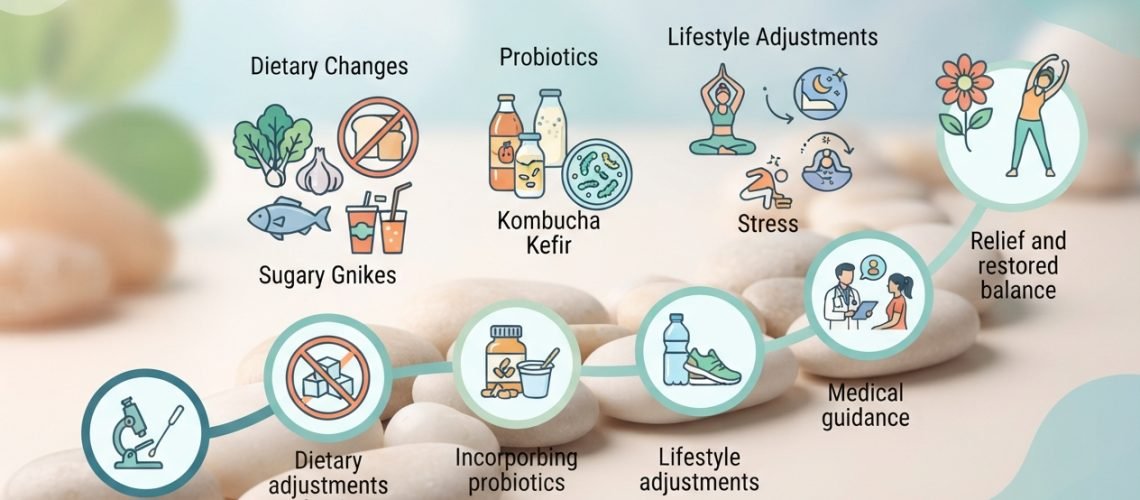
Lifestyle changes can play a vital role in managing yeast infections. I learned to avoid scented soaps and douches, as these products can irritate the vulvar area and delay healing. This small adjustment helped reduce my symptoms significantly.
Choosing breathable clothing was another important step. Tight, non-breathable fabrics can trap heat and moisture around sensitive skin, worsening the situation. I opted for loose-fitting garments to promote airflow and comfort.
Oral hygiene is also crucial. I made it a habit to rinse my mouth after using a corticosteroid inhaler. This simple practice can help prevent oral thrush, which may cause white patches, a cottony feeling, loss of taste, or painful swallowing.
While these lifestyle adjustments were beneficial, I understood they were not a replacement for medication. My prescribed fluconazole was essential in addressing the infection effectively. Connecting these changes with my treatment plan helped me feel more in control of my recovery.
Tracking Progress and Adjusting My Approach
Tracking my progress during a yeast infection was essential for understanding my recovery. I carefully noted symptoms like itching, burning, and discharge to see if they began to improve within the first few days of treatment.
Typically, symptoms should show improvement within 1 to 3 days after starting antifungal medication like fluconazole. I compared my daily observations with the expected recovery window of 3 to 7 days for uncomplicated infections.
However, if symptoms returned soon after the last dose, it could indicate a recurrence or resistance. I learned that experiencing three or more symptomatic infections in a year defines recurrent vulvovaginal candidiasis.
By keeping written records, I organized my questions about medication, dosage, and treatment responses. This method not only clarified my situation but also prepared me for discussions with my healthcare provider.
Collaborating with Healthcare Providers
Engaging with healthcare providers is essential when managing a yeast infection. Regular check-ins can help monitor symptoms and adjust treatment as needed. I found that staying connected with my clinician made a significant difference in my recovery journey.
For symptoms that do not improve after treatment or recur soon after, it’s crucial to consult a healthcare expert. They may perform a pelvic examination, conduct vaginal pH testing, or take a culture to determine the underlying cause of persistent symptoms.
Additionally, it’s important to differentiate between yeast infection symptoms and those of other conditions, such as urinary tract infections or bacterial vaginosis. If you experience fever, pelvic pain, or foul-smelling discharge, seek professional evaluation immediately.
According to the CDC’s Vulvovaginal Candidiasis Treatment Guidelines, published on July 22, 2021, timely healthcare attention is vital for effective management.
- Check-ins are essential for symptoms that fail to improve or last beyond 1 to 2 weeks.
- Clinicians may use pelvic examinations and vaginal pH testing to identify the cause.
- Understanding the differences between yeast infections and other conditions is crucial.
- Fever, pelvic pain, and foul-smelling discharge require immediate healthcare attention.
- Referencing the CDC’s guidelines can provide valuable insights for treatment.
Dealing with Setbacks and Adjustments
Experiencing setbacks during a yeast infection can be frustrating. It’s essential to understand that a delay in recovery does not always mean that the medication has failed. Severe infections may take 1 to 2 weeks or longer to resolve fully.
For instance, Candida glabrata can require different treatment approaches. This can mean that a standard fluconazole dose might not be effective. Therefore, it’s crucial to reassess treatment options with a healthcare provider.
Recurrent infections can also be linked to factors like antibiotic use, unmanaged diabetes, or hormonal changes. These elements can complicate recovery and prolong symptoms.
Moreover, other conditions, such as bacterial vaginosis or urinary tract infections, can mimic yeast symptoms. If symptoms worsen or fail to improve, consulting a clinician is essential for proper evaluation and adjustment of treatment.
Lessons Learned and Key Takeaways
Reflecting on my journey through yeast infections has been both enlightening and humbling. I discovered that most mild infections improve within 3 to 7 days with proper treatment. However, severe cases can take longer to resolve.
It’s crucial to complete the prescribed medication, even when symptoms like itching and burning begin to ease. Stopping early can lead to incomplete recovery and potential recurrence.
Additionally, the first yeast infection and any recurring symptoms deserve professional evaluation. Conditions such as vaginal dryness and genitourinary syndrome during menopause can mimic yeast infections, making accurate diagnosis essential.
In my experience, tracking symptoms and maintaining clear communication with healthcare providers were invaluable. These practical lessons have equipped me with the knowledge to better manage my health moving forward.
Conclusion
My final timeline is simple: symptoms often ease within days, with early relief in 1 to 3 days and full recovery often in 3 to 7 days for an uncomplicated yeast infection. Severe, recurring, or resistant cases may need 1 to 2 weeks or more, so I would seek a clinician’s guidance.
I would not assume ongoing itching, burning, unusual discharge, fever, or pelvic pain means yeast. CDC guidance from July 22, 2021, and Cleveland Clinic information from May 20, 2025, support an evaluation when symptoms continue. A clinician can choose fluconazole or topical medication, the right dose, and course based on the diagnosis and my health. I would follow the directions and check in if symptoms persist. Accurate diagnosis and follow-up offer the safest path to relief.