Getting a yeast infection once is common. Getting them again and again is frustrating, and it’s a sign you need a proper diagnosis rather than another round of guesswork. Doctors usually call it recurrent vulvovaginal candidiasis (RVVC) when someone has three or more symptomatic infections in a year.
Table of Contents
ToggleIs it really yeast?
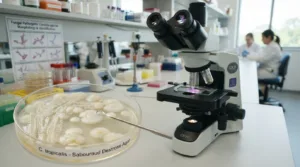
Many people who think they have repeat yeast infections actually have something else, such as bacterial vaginosis, trichomoniasis, skin conditions like lichen sclerosus or contact dermatitis, or irritation from products. Self-treating with over-the-counter creams each time can delay the right treatment. A clinician can examine you and take a swab to confirm yeast and identify the species. That matters because species such as Candida glabrata may not respond to standard treatments. See bacterial vaginosis vs. yeast infection and pelvic floor problems vs. yeast infection.
Common triggers
- recent antibiotics
- uncontrolled or undiagnosed diabetes and high blood sugar
- hormonal changes: pregnancy, some birth control, hormone therapy, the menstrual cycle
- a weakened immune system or medicines such as steroids
- warm, moist conditions: tight synthetic clothing, sitting in damp workout clothes or swimsuits
- scented soaps, douches and sprays that irritate the area
How it’s usually treated
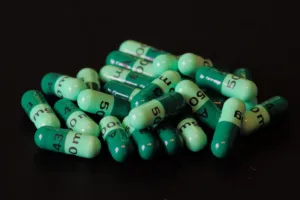
For confirmed recurrent infections, doctors often use a longer initial course of antifungal treatment followed by a maintenance plan that can last several months. Treatment depends on the species, your health and whether you’re pregnant, so it should be guided by your clinician. Learn more in our guide to antifungals.
Everyday habits that may help
- Wear breathable cotton underwear and change out of wet clothes quickly.
- Skip douching and scented intimate products.
- If you have diabetes, work with your doctor on blood-sugar control.
- Limit added sugar and refined carbs as part of an overall healthy diet. Our candida diet meal plan shows what that can look like.
- Ask your doctor whether probiotics are reasonable for you. Research on probiotics for preventing yeast infections is mixed, so they work best alongside medical treatment, not instead of it. See probiotics for candida.
When to see a doctor
See a clinician if this is your first suspected yeast infection, if you have three or more a year, if symptoms don’t clear after treatment, if you’re pregnant, or if you have fever, pelvic pain, unusual discharge or sores. Men with genital itching or redness should be checked too.
This article is general education, not medical advice. Talk to your doctor or another qualified clinician before changing your diet, starting supplements, or if your symptoms are severe, new, or not improving.
Free: Candida Diet Starter Guide
Get our printable foods-to-eat and foods-to-avoid lists plus a simple 7-day sample meal plan. Free, and you can unsubscribe anytime.