Most women will have at least one vaginal yeast infection in their lifetime, and hormones, pregnancy and life stage all influence the risk. Here’s an overview of how candida affects women’s health.
Table of Contents
ToggleVaginal yeast infections
Typical symptoms are itching, burning, redness and swelling of the vulva, pain during sex or urination, and thick white discharge. Other conditions, such as bacterial vaginosis, trichomoniasis and skin conditions, can cause similar symptoms, so a diagnosis is important, especially the first time. See bacterial vaginosis vs. yeast infection and trichomoniasis and yeast infection.
Hormones and life stages
- Menstrual cycle: some women notice infections at certain points in their cycle.
- Birth control and hormone therapy: higher-estrogen methods may raise the risk for some people.
- Pregnancy: yeast infections are more common during pregnancy, and some treatments aren’t suitable. Always see your provider rather than self-treating. See candida during pregnancy.
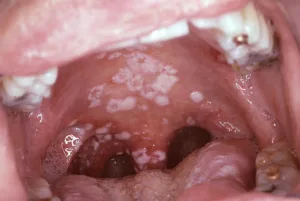
- Breastfeeding: thrush can affect a baby’s mouth and the nipples. Both usually need treatment at the same time.
- Menopause: lower estrogen changes vaginal tissue. Itching or dryness after menopause isn’t always yeast.
Recurring infections
Three or more infections in a year is called recurrent vulvovaginal candidiasis and usually needs a longer treatment plan from a clinician. Read recurring yeast infections.
Everyday habits
- Breathable cotton underwear; change out of wet swimwear and workout clothes quickly.
- No douching or scented intimate products.
- A balanced, lower-sugar diet. See the candida diet meal plan.
- Ask about probiotics if infections follow antibiotics.
When to see a doctor
See a clinician for a first-time infection, pregnancy, recurring infections, symptoms that don’t clear with treatment, or fever, pelvic pain, foul-smelling discharge or sores. Also see when to seek help for feminine health symptoms.
This article is general education, not medical advice. Talk to your doctor or another qualified clinician before changing your diet, starting supplements, or if your symptoms are severe, new, or not improving.
Free: Candida Diet Starter Guide
Get our printable foods-to-eat and foods-to-avoid lists plus a simple 7-day sample meal plan. Free, and you can unsubscribe anytime.