While Candida is commonly associated with infections like thrush and athlete’s foot, one lesser-known symptom of its overgrowth is an itchy scalp. This condition, though often overlooked, can be both uncomfortable and irritating.
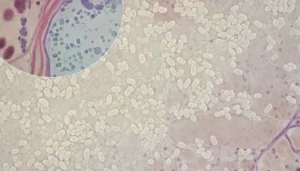
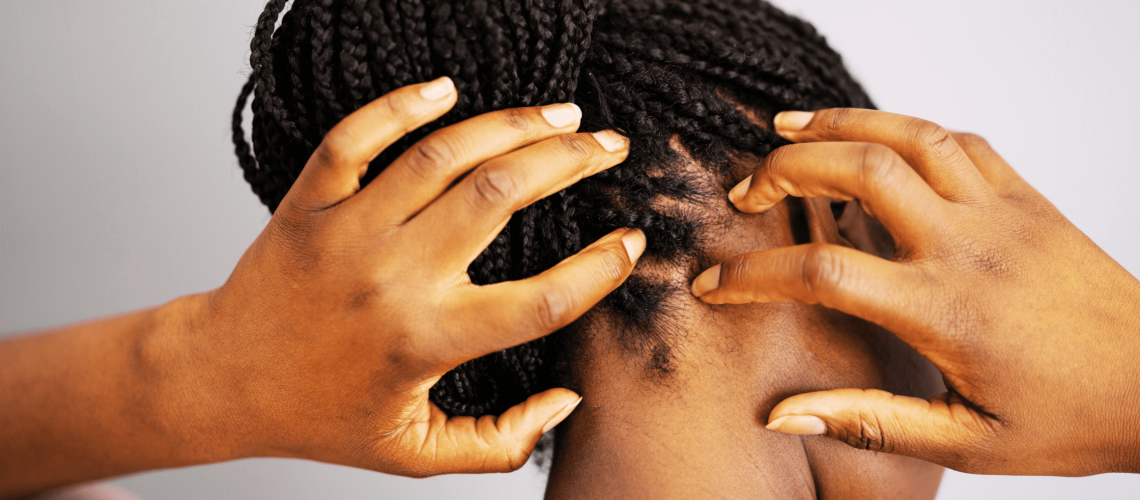
Itchy Scalp and Candida: An itchy scalp can be symptomatic of various conditions, including dry skin, dandruff, and more. However, when caused by Candida, this symptom is due to an inflammatory response triggered by the overgrowth of this yeast-like fungus. Candida thrives in warm, moist environments, which makes the scalp, especially under hair, an ideal breeding ground. The presence of Candida on the scalp can lead to flaking, redness, and severe itching, mimicking dandruff but often with a persistence that ordinary dandruff treatments can’t resolve.
Diagnosis and Identification: Determining whether an itchy scalp is due to Candida involves looking for other associated symptoms of yeast overgrowth, such as digestive troubles, a feeling of fatigue, or recurrent fungal infections. If these symptoms are present, it’s advisable to consult a healthcare professional. Diagnosis may involve a physical examination of the scalp, skin cultures, or other tests to detect Candida.
Treatment: Once diagnosed, treatment typically involves antifungal medications (prescription and topical) to curb the growth of yeast. For those preferring natural remedies, options include using tea tree oil, which has natural antifungal properties, or applying apple cider vinegar rinses to restore the natural pH balance of the scalp and reduce yeast growth.
Additionally, integrating probiotics into one’s diet can help balance the body’s natural flora and hinder further overgrowth.Lifestyle and dietary adjustments play a crucial role in treating and preventing Candida-related scalp issues. Reducing the intake of sugars and refined carbohydrates is essential, as these are known to promote yeast growth. Ensuring a balanced diet rich in vegetables, healthy proteins, and fats can also support the body’s natural defenses against yeast overgrowth.
Prevention: Preventing Candida Overgrowth and its symptoms, including an itchy scalp, involves more than just medication or natural remedies—it requires a holistic approach. Regular hygiene, particularly washing the hair and scalp regularly, helps maintain an environment less conducive to yeast growth. Managing stress through mindfulness, yoga, or other relaxation techniques can also reduce the body’s susceptibility to imbalance, including that of yeast.
Conclusion: If you’re experiencing persistent scalp itching along with other signs of Candida, it’s important not to dismiss these symptoms. Early identification and treatment are key to managing the overgrowth and alleviating the discomfort it causes. With the right approach, both medical and holistic, you can effectively control the symptoms and prevent future issues.
Are you struggling with an itchy scalp and suspect it might be due to Candida? Share your experiences in the comments below. Your insights could provide great support to others dealing with similar symptoms. This article aims to shed light on the often-ignored link between Candida overgrowth and itchy scalp, offering valuable information and practical advice on how to tackle this annoying condition.