Have you ever thought about the tiny helpers in our yogurt and fermented foods? They’re not just there for taste. The history of probiotics is a story of discovery that touches on our quest for health and long life. Over a century ago, a Russian scientist named Elie Metchnikoff discovered the amazing potential of live bacteria. His work at the Pasteur Institute in Paris started our understanding of probiotics origins. This began the evolution of probiotics, making them a key part of health talks today1.
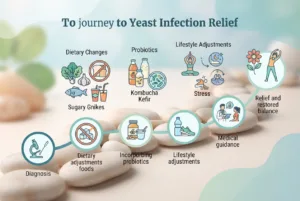
These tiny helpers didn’t become famous overnight. Their rise was slow, like the fermentation they come from. And what about fighting candida infections? By using diet, supplements, and lifestyle changes, as shown here: Nature’s Solution for Candida Overgrowth, you’re following in the footsteps of those who first saw the power of good microbes1.
Key Takeaways
- The start of probiotics is over a century old, thanks to Elie Metchnikoff’s work at the Pasteur Institute1.
- In the Caucasus Mountains, people eating fermented yogurt lived healthier and longer1.
- Probiotic strains like Lactobacillus acidophilus and Saccharomyces boulardii offer different health benefits1.
- Yakult, a well-known probiotic drink, was made possible by Minoru Shirota’s groundbreaking work1.
- Fermented foods have been seen as healthy for a long time, even before we called them “probiotics”1.
- Historical figures like Pliny the Elder knew fermented milk was good for gut health1.
- Research on probiotics is growing, showing there’s still much to discover in this area1.
Table of Contents
ToggleThe Birth of Probiotics: Elie Metchnikoff’s Eureka Moment
Explore the groundbreaking discoveries that led to the creation of probiotics. Elie Metchnikoff, a leading scientist in immunology, introduced an idea that changed how we see health. His key findings came in the late 19th and early 20th centuries while he was in Bulgaria. Learn more about Metchnikoff’s contributions.
The Longevity Secret of Bulgarian Peasants
Metchnikoff was fascinated by the Bulgarian peasants’ long lives. He thought their eating fermented yogurt was key to their health and long life. This led him to discover Lactobacillus bulgaricus, a bacteria in their yogurt2. This finding is a key part of today’s probiotics history.
Introduction of Lactobacillus Bulgaricus
Metchnikoff’s research showed a strong link between diet and gut bacteria. His work started the study of probiotics and showed their huge potential. He believed changing gut bacteria could improve health, a theory still guiding today’s probiotics research.
Advancements in Probiotic Research and Strain Discovery
Since Elie Metchnikoff first explored probiotics in the early 1900s, we’ve made huge strides. Today, scientists are working hard to find new strains and improve how we use probiotics.
Identifying Various Probiotic Species
Finding and studying new probiotic strains is a detailed task. Scientists use advanced genetic sequencing and bioinformatic analysis. This has helped us understand the diversity in our gut microbiomes. Now, researchers can focus on specific strains that are good for our health.
Recently, scientists found 1,520 reference genomes from human gut bacteria. This is a big step forward in understanding our gut. They also looked into fermented foods and marine life, finding many new probiotics. These could change how we think about health and wellness, helping with skin issues and metabolic problems34.
Contributions of Early Microbiologists
Early microbiologists laid the groundwork for today’s probiotics. They showed us the importance of understanding microbiology better. Bengmark S and others highlighted how probiotics keep our gut balanced.
This early work led to more research on how probiotics affect our immune system and prevent diseases in newborns34.
Probiotics Development: The Inception of Functional Foods
The evolution of probiotics has changed how we think about health foods. These foods are made to give us specific health benefits, not just basic nutrition. The European Food Safety Authority has listed certain probiotics as safe for use in foods since 20075.
In the US, probiotics are checked carefully before being added to foods like dairy, meat, and cereals5. Studies show that different probiotics can have different health benefits5.
- Microencapsulation technologies protect these helpful bacteria, using emulsification and spray drying5.
- A 2012 study showed that these encapsulated probiotics can survive in foods6.
Our knowledge about gut health and probiotics is growing. A 2021 study looked at what people want from health foods6. It shows that more people are looking for foods that help their health.
Studying and using lactic acid bacteria, bifidobacteria, and yeast in foods shows their health benefits6. This marks a big step in the evolution of probiotics. It looks like these foods will become more important for a healthier lifestyle.
Lactobacillus Casei Shirota and the Rise of Yakult
The story of Lactobacillus casei Shirota is one of dedication and innovation. It began with the groundbreaking work of Minoru Shirota. This led to the creation of Yakult, a brand that changed the health industry.
The Pioneering Work of Minoru Shirota
In 1930, Dr. Minoru Shirota made a big discovery. He found a way to grow a special type of bacteria, Lactobacillus casei Shirota. This bacteria helps keep our gut healthy7. This led to the start of Yakult in 1935, a drink that combines taste with health benefits7.
Yakult has always had 1.2 x 10^10 colony-forming units (cfu) of L. casei Shirota in every bottle8. This makes sure people get a strong dose of probiotics every time they drink it8.
Commercialization and Global Reach of Probiotic Beverages
Yakult quickly became popular around the world. By 2019, it was selling over 40 million bottles a day7. It won awards for being the best brand for four years in a row, showing how much people trust it7.
Yakult is now sold in many countries, including Taiwan, Brazil, Hong Kong, and the United States7. This shows how Yakult is a global brand.
Studies show that probiotics like those in Yakult are good for our teeth and gums8. This proves that Yakult is not just a drink, but a way to improve health.
Yakult keeps leading in the probiotic drink market. They focus on research and quality to make sure they help people stay healthy. This shows the lasting impact of Minoru Shirota‘s work on our health today7.
A Comprehensive History of Probiotics
The history of probiotics is filled with important discoveries and developments. These have shaped our understanding of how humans and beneficial microorganisms interact. Since the early 20th century, we’ve seen big steps forward in both science and practical use.
Elie Metchnikoff is often called the first big name in probiotic research. He noticed that Bulgarian peasants eating fermented milk were very healthy and lived long lives9. This led to over a hundred years of research into how these good bacteria work with our bodies10.
Henry Tissier also made key discoveries in the early 1900s. He found that babies with certain bacteria in their gut got sick less often119. This early finding led to more research and better ways to understand our gut bacteria.
- In 2001, the World Health Organization gave a clear definition of probiotics. They said they are “live microorganisms that help keep us healthy when taken in the right amounts”1011.
- Since the 1990s, we’ve learned more about how our gut bacteria affect our health. They play a big role in digestion, our immune system, and even our mental health10.
Today, probiotics are still evolving fast. New technology lets us create probiotics that target specific health problems like inflammatory bowel disease and cancer10. The story of probiotics shows how science, nutrition, and medicine work together. It also shows how we’re always finding new ways to use these microorganisms for our health.
This look back at probiotics shows us how far we’ve come. From traditional foods to new, genetically made probiotics, our understanding and use of these microbes have changed a lot. We’re sure to see even more exciting discoveries in the future.
The Terminology: Tracing the Origins of the Word ‘Probiotic’
Exploring the world of beneficial bacteria shows us the importance of understanding where the word ‘probiotic’ comes from. This term combines Latin and Greek roots. ‘Pro-‘ comes from Latin, meaning ‘for.’ ‘Biotic’ comes from Greek, meaning ‘life.’ Together, they mean ‘for life,’ highlighting probiotics as agents that promote life.
Latin and Greek Influence
The word ‘probiotic’ has a long history, thanks to Latin and Greek. The Latin ‘pro-‘ joins with the Greek ‘biotic’ to create a term rich in culture and science. This mix shows how probiotics support and nurture life.
The Meaning Behind ‘Probiotic’
‘Probiotic’ is more than a name for health supplements. It reflects a deep belief in their power to improve life. This belief has roots in history, where these beneficial bacteria were seen as vital for health.
Today, research supports these ancient beliefs. Studies show that the term ‘probiotic’ has been used since the early 1900s, marking important moments in medical history12. This history shows our long-standing trust in probiotics and encourages us to learn more about their role in health and disease.
As we face global health issues, the history of probiotics could be key to finding new wellness solutions.
Fermented Foods: The Ancestral Diet Rich in Probiotics
For ages, people around the world have eaten fermented foods. They show a deep connection to probiotics. Today, we have over 5000 types of these foods, loved for their taste and health benefits13.
Cultural Importance of Fermented Foods
Fermented foods are key in many diets, bringing unique flavors and nutrients. In fact, 67% of food guides suggest eating them every day14. Foods like kefir, kimchi, and kombucha have been good for gut health for over 8000 years13.
Comparing Natural Fermentation to Supplements
Natural fermented foods give us probiotics and many nutrients. A study found 27% of bacteria in traditional Mexican drinks from fermentation14. This mix can help balance gut health more than single-strain supplements. Over time, making food fermented has become safer and more effective13.
- Lactic acid from fermentation has grown by 49%, making fermented foods healthier14.
- Improvements in making fermented foods have led to more dairy and health products, helping gut health14.
- Traditional fermenting agents like malic acid are used less now, changing the taste and health benefits of drinks14.
Historical Dietary Practices and their Relation with Gut Health
Our diets and gut health have always been closely linked. Since ancient times, what we eat has affected our digestive health. This connection shows how probiotic bacteria have evolved with humans.
Pliny the Elder and Ancient Recommendations
Pliny the Elder was a key figure in ancient wisdom. He suggested fermented milk could help gut health. His ideas were based on real improvements in digestion, setting the stage for today’s probiotics timeline.
Fermented Milk Products Through Time
Fermented milk has been a key part of diets for thousands of years. It helps keep the gut healthy. Over time, these products evolved into yogurts and kefirs, showing how probiotic bacteria became part of our diets. These foods not only made diets richer but also helped increase gut diversity, boosting health for individuals and communities.
Looking back, it’s clear our ancestors were looking after their gut health with fermented milk. Today, we’re learning more about how our gut and food interact, affecting our health in many ways. For more on dietary fibers and gut health, check out this study here15.
- Fermentation has always been important in diets worldwide, showing a long history of using beneficial bacteria for health.
- Different cultures have used fermented foods for thousands of years, showing they know about their health benefits.
Learning about these old diets gives us new insights into the probiotics timeline. It shows a long history of humans and beneficial microbes working together. As we learn more about our ancestors’ diets, we see how they can help us today, linking old traditions with modern health science.
Probiotics Historical Context: A Timeline Perspective
The story of probiotics takes us from simple observations by early cultures to today’s deep scientific understanding. This journey shows how humans and beneficial bacteria are connected.
Looking back, we see key moments that show how science has studied these microorganisms. Early uses of probiotics were found in traditional practices around the world. Fermented foods were a big part of diets, helping with gut health and overall health.
- Fermented foods helped preserve food and carried probiotics. They added to the nutritional value of diets by making bioactive compounds16.
- Science has shown that probiotics can survive tough processing and the gut’s challenges. This makes them good for adding to foods16.
- Now, probiotics are in foods like yogurts, bread, and ice cream. This shows they are useful and liked by people16.
- Probiotics are key in keeping gut health good, affecting neurotransmitters, and helping with diseases like irritable bowel syndrome and allergies16.
Probiotics aren’t just in food. They work with gut bacteria in complex ways. They can beat pathogens and make gut barriers stronger, showing their potential in preventing and treating diseases16.
The global research community is really into probiotics, as seen at the Probiotics for Human Health conference in India. This event highlighted how diet, gut microbes, and health are connected. It also showed how new researchers are joining this field17.
With lots of accesses and citations, probiotics research has made a big impact17. This shows the scientific world’s strong interest and ongoing research into probiotics for different health and diet areas17.
The Scientific Evolution of Probiotics
The journey of probiotics has seen big steps forward in science. These steps have changed how we see and use these helpful organisms. It all started with early research that laid the foundation.
Early Research and Observations
In the late 1800s and early 1900s, big discoveries in microbiology set the stage for probiotics. Louis Pasteur, a French scientist, showed in the 1850s and 1860s that tiny organisms cause food to spoil18. Joseph Lister, a British scientist, found Lactococcus lactis in spoiled milk in 187318. These discoveries were key to understanding the world of microbes and led to the creation of probiotics.
Understanding Different Strains and Their Effects
- In 1907, Metchnikoff’s idea of probiotics started a wave of discovery that keeps going19.
- Now, scientists have better tools to study probiotics. For example, the Human Microbiome Project in 2012 showed us the human microbiome’s structure and function20. This helped us understand it better at a genetic level.
- We’ve learned about the special traits of different strains and how they affect us. For example, Henry Tissier found Bacillus bifidum communis in 1889 and saw it in breast-fed babies18.
- Studies today look at how probiotics can prevent and treat diseases. A 2017 trial looked at giving bifidobacteria to babies early20.
Significantly, today, we use genome sequencing and molecular biology to make probiotics better for health. This research has changed how we think about probiotics. It has also led to new ways to improve health worldwide.
The Current State and Future Directions of Probiotic Science
Exploring probiotic science reveals a world where evolution of probiotics is a big deal. Scientists are making huge strides and seeing bright futures. These microbes are complex and have a big impact on our health and well-being.
Growing Interest in Probiotic Mechanisms
Studies now show our bodies are home to trillions of microbes, including bacteria, fungi, and viruses. These tiny helpers play a big role in how our bodies work21. Prebiotics are also getting attention for helping our gut health by feeding good microbes21. New research tools like full shotgun metagenomics sequencing help us understand how probiotics work. This lets us see exactly how they help our health21.
The Emergence and Potential of Prebiotics
The future of probiotics is closely tied to prebiotics. These fibers help good bacteria grow, making probiotics work better. Together, prebiotics and probiotics boost our gut health and even help with bone strength and immune function21. With more people eating plant-based diets, there’s a big market for foods that are good for gut health22.
This field is growing fast, thanks to solid science and people wanting to be healthier. From traditional foods to new, genetically modified probiotics, we’re just starting an exciting journey in improving our health.
Conclusion
Our journey through the probiotics historical overview has shown us the key milestones that led to today’s probiotics development. We’ve seen how Elie Metchnikoff’s discovery and ongoing research have shaped our understanding of these beneficial microbes. For example, atopic dermatitis affects 15% to 20% of kids and 1% to 3% of adults worldwide23. Yet, studies show that probiotics can help reduce this condition’s risk by using strains like Lactobacillus and Bifidobacterium23.
Probiotics play a wide range of roles in our health. They were first named in 1965 and are now known for helping keep our intestines in balance24. Species like Lactobacillus have been found to boost our immune system and may even help prevent cancer24. They offer many health benefits, making them a key part of our wellness journey.
Looking ahead, we see a bright future for probiotic science. This field is all about the deep connection between humans and these microbes. As we learn more, we aim to use probiotics to improve our health. Let’s keep exploring the benefits they offer and grow our partnership with them.
FAQ
Who is considered the father of probiotics and what did he discover?
What was the significance of Lactobacillus Bulgaricus in the history of probiotics?
How have early microbiologists contributed to the field of probiotics?
When were probiotics first introduced into functional foods?
What impact did Minoru Shirota have on the commercialization of probiotics?
What does the term ‘probiotic’ mean and where does it come from?
How do traditionally fermented foods compare to modern probiotic supplements?
What ancient dietary practices are related to the consumption of probiotics?
How has the scientific research on probiotics evolved over time?
What is the current state of probiotic science and its potential future directions?
Source Links
- The History of Probiotics | Probiotics Learning Lab
- Living in a Hostile World: Inflammation, New Drug Development, and Coronavirus
- Recent Advancements in the Development of Modern Probiotics for Restoring Human Gut Microbiome Dysbiosis
- Next-Generation Probiotics as Novel Therapeutics for Improving Human Health: Current Trends and Future Perspectives
- Probiotics in Functional Foods: Survival Assessment and Approaches for Improved Viability
- About Functional Foods: The Probiotics and Prebiotics State of Art
- History|Dive deeper into Yakult —the Probiotic Drink Born in Japan, Loved Worldwide
- Effects of a probiotic drink containing Lactobacillus casei strain Shirota on dental plaque microbiota
- A Brief History of Probiotics
- History of Probiotics: What is it, Benefits, What Foods & Types
- The History Of Probiotics » The Candida Diet
- Probiotics, their action modality and the use of multi-omics in metamorphosis of commensal microbiota into target-based probiotics
- Fermented foods, their microbiome and its potential in boosting human health
- Fermented Foods, Health and the Gut Microbiome
- Gut Microbiome: Profound Implications for Diet and Disease
- Frontiers | Probiotics: mechanism of action, health benefits and their application in food industries
- Probiotics for human health –new innovations and emerging trends – Gut Pathogens
- Frontiers | Probiotics, their action modality and the use of multi-omics in metamorphosis of commensal microbiota into target-based probiotics
- Evolution of the Probiotic Concept: From Conception to Validation and Acceptance in Medical Science
- Forty-five-year evolution of probiotic therapy
- Future of Probiotics and Prebiotics and the Implications for Early Career Researchers
- Current Research on Probiotics and Fermented Products
- Office of Dietary Supplements – Probiotics
- Probiotics: A Comprehensive Review of Their Classification, Mode of Action and Role in Human Nutrition