Did you know that approximately one in three people experience issues related to yeast? This common problem often goes unnoticed, leading to a variety of health challenges. Many individuals struggle with chronic symptoms that remain unexplained by their doctors. It’s crucial to consider that these symptoms may stem from an imbalance in your body.
This guide will explore why yeast infections frequently go misdiagnosed. Traditional medical professionals may not be aware of the latest research surrounding this issue. We will delve into how your body reacts when yeast levels rise and the significant impact this can have on your daily health.
Understanding the underlying triggers is essential for reclaiming your vitality. You deserve to feel like yourself again, especially after years of unexplained fatigue. By identifying specific environmental factors, you can manage your yeast levels and prevent systemic issues that may follow.
Join us as we break down the science behind this condition and provide actionable advice for those seeking relief from persistent health challenges.
Key Takeaways
- One in three people may suffer from yeast-related issues.
- Chronic unexplained symptoms could indicate an imbalance in your body.
- Many medical professionals may overlook yeast infections.
- Understanding triggers is key to managing your health.
- Identifying environmental factors can help prevent future issues.
Table of Contents
ToggleUnderstanding Candida and Its Impact on Your Health
It’s surprising how many people face challenges linked to yeast, often without awareness. One common type of yeast is a fungus called candida. This organism naturally resides in small amounts in your mouth and intestines, playing a role in digestion.
However, when levels of this yeast increase, it can lead to a condition known as candidiasis or yeast overgrowth. The Mitchell Medical Group has dedicated over 25 years to studying how this yeast functions and why it can turn harmful.
An imbalanced microbiome occurs when beneficial bacteria can no longer control the yeast population effectively. This disruption can result in various symptoms that may confuse healthcare providers who lack training in fungal medicine.
Your immune system typically keeps yeast levels in check. But when it weakens, the yeast can multiply, causing significant health issues. Understanding how this fungus operates is vital, as it can impact any organ or system in your body relentlessly.
Next, we will explore how these imbalances lead to the diverse symptoms that make this condition one of the most misdiagnosed issues worldwide.
Identifying Candida overgrowth causes
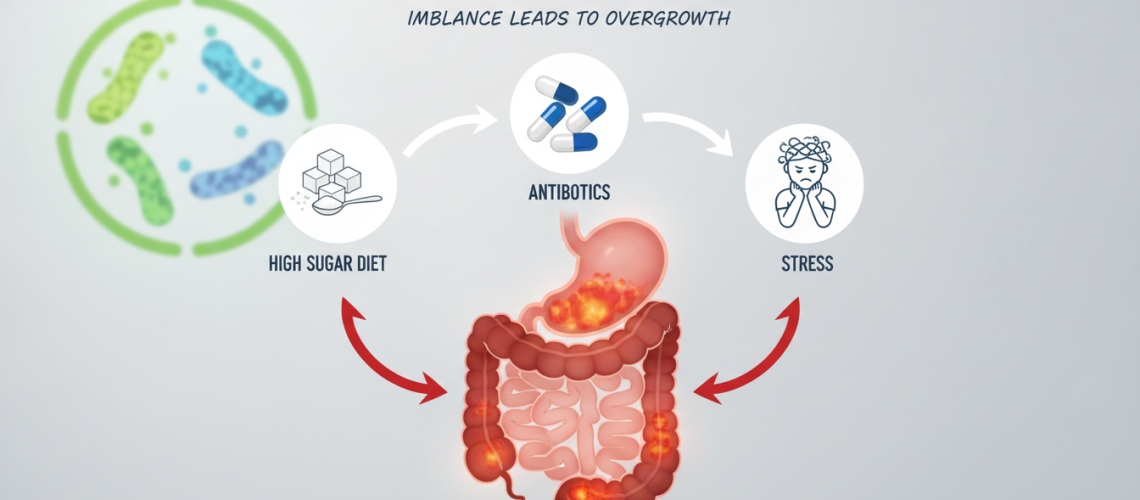
It’s important to recognize that your medications could be influencing your yeast levels. Prescription medications, especially antibiotics, are often significant contributors to yeast imbalances. These drugs can kill off the beneficial bacteria that help keep yeast in check, leading to an increase in yeast populations.
Many patients at the Mitchell Medical Group seek treatment for yeast issues after a long course of antibiotics. Their immune systems become compromised, making them more susceptible to infections. Lifestyle choices also play a role; high-stress levels and the use of oral contraceptives can increase your risk of developing systemic yeast infections.
Additionally, medications like steroids and estrogen replacement therapy can alter your internal environment, inadvertently encouraging yeast to multiply. Many have experienced severe discomfort after using these drugs for conditions such as acne or chronic infections.
Recognizing these interconnected causes is essential. Your diet and medication history both contribute to your health. By identifying specific triggers, you can work with your doctor to find alternatives that do not disrupt your body’s natural balance.
| Medication Type | Impact on Yeast | Examples |
|---|---|---|
| Antibiotics | Kill beneficial bacteria | Amoxicillin, Ciprofloxacin |
| Steroids | Weaken immune response | Prednisone, Cortisone |
| Hormonal Medications | Alter body environment | Birth control pills, Estrogen therapy |
Understanding these factors is crucial for managing yeast levels effectively. For more information on recognizing yeast-related issues, check out this helpful resource.
Diet, Lifestyle, and Medications: Culprits Behind Yeast Imbalance
Your daily habits can significantly impact your health, especially when it comes to yeast levels. Diet plays a massive role, as yeast thrives in environments rich in refined sugars, refined carbohydrates, and dairy products. The fungus uses sugar as fuel to reproduce, whether it comes from a candy bar or an episode of extreme stress.
Chronic stress is another major factor that affects your body. It can trigger hormonal responses that further feed yeast growth. Many people find that their sugar cravings are actually signs that the yeast in their system is demanding more fuel to survive. If you consume a lot of processed foods, you may be inadvertently feeding the yeast and making it harder for your good bacteria to recover.
Research shows that individuals following a Western diet often have different microbes than those from rural backgrounds, impacting their overall health. By changing your diet and managing stress, you can starve the yeast and help your body return to a state of natural balance.
| Dietary Factor | Impact on Yeast | Examples |
|---|---|---|
| Refined Sugars | Feeds yeast growth | Candy, Soda |
| Refined Carbs | Promotes imbalance | White bread, Pasta |
| Dairy Products | Supports yeast proliferation | Milk, Cheese |
Understanding these factors is crucial for managing yeast levels effectively. For more information on recognizing yeast-related issues, check out this helpful resource.
Symptoms and Signals of a Candida Infection
Many people may not realize the wide range of symptoms linked to yeast infections. These symptoms can vary significantly, impacting different areas of your body. From gastrointestinal discomfort to chronic fatigue, the signs can be quite diverse.
Gastrointestinal Discomfort and Chronic Fatigue
Common symptoms include bloating, gas, and fatigue that doesn’t seem to improve with rest. You might also experience brain fog and difficulty concentrating. These symptoms can often be overlooked, but they are crucial signals from your body.
Oral, Vaginal, and Skin-Related Signs
Oral thrush, characterized by painful white patches in the mouth, is another common symptom. Additionally, vaginal yeast infections affect about 1.4 million people annually in the U.S. Symptoms include itching, redness, and a thick discharge.
Skin issues may arise as well, often manifesting as rashes in warm, moist areas of the body. If you have diabetes, you are at a higher risk for these infections due to elevated blood sugar levels.
Recognizing these signals early is vital. Persistent symptoms can lead to more serious health issues if the underlying imbalance is not addressed.
Testing, Diagnosis, and When to Consult Your Doctor
Understanding the testing and diagnosis process is crucial for those facing health challenges related to yeast. Many traditional doctors may not be trained to identify systemic yeast issues. This lack of knowledge can lead to misdiagnosis and prolonged suffering.
The Mitchell Medical Group offers telehealth virtual meetings with Dr. Mitchell. This allows you to discuss your health concerns from the comfort of your home. In 2022, the WHO published the first-ever fungal priority pathogens list to guide public health action on serious infections.
If you have diabetes or a weakened immune system, it’s essential to consult your doctor immediately if you notice any new or worsening symptoms. The testing process can be complex, as yeast can manifest in the bloodstream, digestive tract, or even on the skin.
Prepare for your consultation by documenting your symptoms, antibiotic history, and dietary habits. Since many doctors misdiagnose these cases, advocating for yourself is vital. Proper diagnosis is the foundation of effective treatment.
Holistic and Conventional Treatment Options for Candida
Finding the right approach to managing yeast-related issues is essential. Treatment often combines dietary adjustments and antifungal medications to effectively address candidiasis. By starving the yeast of its fuel, you can help restore balance in your body.
Natural remedies like garlic, coconut oil, and probiotics can support your immune system. These options have shown promise in reducing yeast growth and preventing infections. “Effective treatment for candidiasis often involves a combination of antifungal medications and strict dietary adjustments,” says health experts.
During the recovery phase, some individuals may experience a candida die-off. This can lead to temporary discomfort as your body eliminates toxins. It’s crucial to work with a healthcare provider to find the right antifungal medications, especially since resistance to these drugs is a growing concern.
Additionally, managing diabetes and avoiding unnecessary antibiotics are key strategies. By following a comprehensive treatment plan, you can improve your overall health and successfully treat your condition.
Conclusion
Addressing yeast-related issues requires a dedicated approach. By combining medical expertise with lifestyle changes, you can restore your body’s natural balance. The Mitchell Medical Group emphasizes that identifying root issues is vital to stopping the cycle of recurring infections.
You have the power to take control of your health. Monitor your diet, manage stress, and work closely with a knowledgeable healthcare provider. Symptoms like fatigue and digestive discomfort often signal that something is out of alignment and needs attention.
By staying informed and proactive, you can overcome the challenges of yeast-related conditions. We hope this guide has equipped you with the tools to understand your situation and seek the appropriate care you deserve.