Have you heard of Candida kefyr? This uncommon yeast has recently gained attention in the medical community. It was previously known as Candida pseudotropicalis and is recognized as an emerging pathogen, particularly among immunocompromised patients.
Between 2003 and 2008, the PATH Alliance Registry recorded only 11 invasive infections linked to this yeast out of over 5,500 cases. This rarity makes it crucial to understand its implications, especially since researchers are noting an increase in cases among patients with hematologic malignancies.
In this article, you’ll discover how Candida kefyr differs from more familiar species, like Candida albicans. Additionally, a recent study by Zahra Zareshahrabadi and colleagues analyzed 134 isolates from various sources, shedding light on this yeast’s behavior.
By separating colonization from invasive infection, you’ll learn why a positive culture doesn’t always indicate a serious disease. Let’s dive deeper into this fascinating organism.
Key Takeaways
- Candida kefyr is an uncommon yeast with limited invasive infections recorded.
- This yeast is becoming recognized as an emerging pathogen.
- It differs significantly from other Candida species.
- Recent studies have tested various isolates from both humans and dairy sources.
- Understanding colonization versus infection is key to interpreting culture results.
Table of Contents
ToggleWhat Is Candida kefyr?
Let’s explore the unique characteristics of this lesser-known yeast. Candida kefyr is not as common as its relative, Candida albicans. In fact, it accounted for only 0.2% of 5,526 invasive infections recorded in the PATH Alliance Registry.
This yeast is gaining attention as an emerging pathogen. Researchers at Johns Hopkins noted an increase in cases among patients with hematologic malignancies. From 2004 to 2010, they identified 83 patients with cultures showing this yeast.
Interestingly, a hospital in France reported that 17% of neutropenic patients with acute leukemia showed signs of colonization. However, this percentage varies significantly across different hospitals.
“The term emerging does not mean this yeast commonly infects healthy individuals.”
Serious infections primarily affect those with weakened immune systems. Understanding the distinction between isolated reports and confirmed infections is crucial for accurate diagnosis and treatment.
How Candida kefyr Relates to Kluyveromyces marxianus
Understanding the relationship between two yeast species can deepen your knowledge of their significance. Kluyveromyces marxianus is recognized as the teleomorph, or sexual form, of Candida kefyr. This connection is crucial when reviewing older studies that may refer to the yeast by different names.
This yeast was first isolated from kefir in 1909 and was previously known as Saccharomyces fragilis. It’s important to note that modern laboratory reports may use either name. Thus, you should be aware of both when interpreting results.
- Candida kefyr and Kluyveromyces marxianus refer to the same organism in different taxonomic contexts.
- The sexual form was first isolated from kefir in 1909.
- Recognizing both names is essential for reviewing scientific literature.
- The organism’s taxonomic history explains the varied terminology used in clinical and dairy research.
- This naming relationship does not prove that dairy products caused human infections.
Where Candida kefyr Is Found, Including Dairy Products
The habitat of this unique yeast is more diverse than you might think. Candida kefyr has been found in various dairy products, including milk, yogurt, and cheese. A recent study analyzed 134 isolates and revealed that 69 of them came from dairy sources. Specifically, this included 49 yogurt samples, 19 milk samples, and one cheese sample.
Additionally, researchers examined isolates from 41 healthy individuals and 24 patients. This allowed for comparisons between dairy and clinical isolates, but it’s essential to note that these findings do not confirm a shared source. As one expert put it, “Presence does not imply causation.”
In a notable 2020 case, a patient who regularly consumed yogurt showed signs of infection. However, genomic analysis indicated no direct transmission from the yogurt. Thus, while the presence of Candida kefyr in dairy demonstrates its ecological adaptability, it does not prove that these products cause human infections.
- The 2024 study found Candida kefyr in 69 dairy samples.
- Researchers tested both healthy individuals and patients for comparison.
- Findings show ecological adaptability but not causation of infections.
- Genomic studies highlight the complexity of transmission.
How Candida kefyr Differs From Candida albicans and Other Species
Yeast species vary significantly in their prevalence and impact on health. While Candida albicans and other common species like Candida glabrata and Candida parapsilosis account for over 90% of infections, Candida kefyr is much less frequently detected, representing only 0.2% of invasive cases in the PATH Alliance Registry.
Unlike Candida albicans, which has extensive clinical breakpoint information, Candida kefyr presents challenges in interpreting susceptibility. This limited data can complicate treatment decisions.
Despite its rarity, this yeast can still lead to serious health issues. Infections such as bloodstream and eye infections have been reported, particularly in immunocompromised patients. Thus, accurate laboratory identification is essential.
Species-level identification can significantly influence antifungal treatment choices. Different species may exhibit varying resistance patterns, underscoring the importance of recognizing the unique characteristics of each yeast.
Who May Be at Higher Risk of Candida kefyr Infection?
Certain individuals may be more vulnerable to infections caused by this yeast. Those with specific health conditions often face increased risks. Understanding these factors can help you take necessary precautions.
In a study from Johns Hopkins, it was found that 57 out of 83 patients with positive cultures had acute myeloid leukemia. This shows that hematologic malignancies are a significant risk factor. Out of these patients, eight developed invasive candidiasis, highlighting how colonization can lead to serious disease.
Patients undergoing chemotherapy, especially with drugs like cytarabine and fludarabine, may have weakened immune systems. This makes them more susceptible to infections. Other health conditions, such as HIV/AIDS and diabetes, also increase risk. The 2024 clinical group included nine patients with hematologic malignancies, seven with HIV/AIDS, and eight with diabetes.
| Risk Factor | Patient Count | Notes |
|---|---|---|
| Acute Myeloid Leukemia | 57 | Strongest recurring risk context |
| Invasive Candidiasis | 8 | Indicates serious disease potential |
| HIV/AIDS | 7 | Broadens risk profile |
| Diabetes | 8 | Increased susceptibility |
Risk depends on your overall health, immune function, and hospital exposure rather than just the presence of this yeast. Recognizing these factors can empower you to take preventive measures.
Possible Candida kefyr Symptoms and Infection Sites
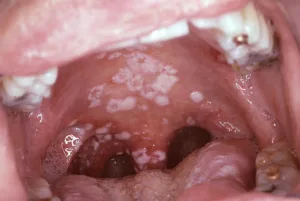
Understanding the symptoms associated with this yeast can help you identify potential health issues. Oral candidiasis is one of the most common manifestations. In a recent study, seven patients with HIV/AIDS showed signs of this condition. Additionally, nine patients with hematologic malignancies experienced similar symptoms, with erythematous patches being the most frequently reported.
Invasive infections can occur in various sites within the body. For instance, the bloodstream, urinary tract, and gastrointestinal tract may all be affected. Johns Hopkins recorded nine episodes of invasive candidiasis in eight patients, highlighting the potential for serious complications. This shows that the yeast can progress beyond simple colonization.
Moreover, eye infections are also a concern. A notable case involved a 69-year-old man who developed severe keratitis nine months after corneal surgery. This case underscores the importance of addressing persistent eye pain or redness promptly.
- Reported oral symptoms included erythematous patches, pseudomembranous plaques, angular cheilitis, and ulceration.
- All nine hematologic malignancy patients had oral candidiasis, with erythematous patches being the most common symptom.
- Invasive disease may involve various organs, depending on the patient’s condition.
- Persistent eye pain or redness warrants urgent evaluation to rule out severe infections.
How Candida kefyr May Cause Colonization or Infection
Exploring how this yeast can lead to colonization or infection is essential for understanding its impact. In a study at Johns Hopkins, 77 out of 83 patients with hematologic malignancies had a positive culture for this yeast. This finding suggests that the yeast can be present without causing disease.
Colonization means that the yeast appears in surveillance cultures without signs of invasive candidiasis. On the other hand, an infection requires compatible clinical or laboratory findings.
Interestingly, the first positive culture occurred more than two weeks after hospital admission in 66 patients. This indicates that hospital exposure or evolving vulnerability may play a role.
In one case, a bloodstream infection was likely due to gastrointestinal translocation. This is particularly relevant when chemotherapy damages mucosal barriers.
Moreover, five invasive episodes occurred during antifungal therapy. Each breakthrough isolate was resistant to the ongoing antifungal agent.
| Finding | Details |
|---|---|
| Positive Cultures | 77 out of 83 patients |
| First Positive Culture Timing | More than two weeks after admission in 66 patients |
| Gastrointestinal Translocation | Likely in one bloodstream infection |
| Breakthrough Infections | Five episodes during antifungal therapy |
What Studies Say About Seasonality and Exposure
Research has unveiled intriguing patterns in the seasonal behavior of this yeast. At Johns Hopkins, the highest colonization rates were observed between July and September. This suggests that summer months may play a significant role in the prevalence of this yeast.
Among patients with acute myeloid leukemia (AML), summer admissions were linked to a 3.1-fold increase in colonization odds, with a statistically significant P value of 0.03. This trend was not isolated, as a tertiary-care hospital in Montreal reported similar seasonal patterns.
Furthermore, a Rep-PCR analysis of 16 isolates showed different genotypes. This finding argues against the likelihood of a single clonal outbreak. Researchers have raised yogurt and healthcare exposure as potential factors, but a confirmed seasonal transmission route remains unidentified.
- Johns Hopkins observed the strongest colonization pattern during July through September.
- Summer admissions increased colonization odds 3.1-fold among AML patients.
- A Montreal hospital reported a similar seasonal distribution.
- Rep-PCR analysis showed different genotypes among tested isolates.
- Current studies cannot identify a confirmed seasonal transmission route.
How Doctors Diagnose Candida kefyr
When it comes to diagnosing this uncommon yeast, a systematic approach is essential. Doctors often start with a culture taken from blood, oral tissue, urine, or sputum. This initial step helps identify the presence of the yeast in clinically relevant specimens.
The 2024 study utilized CHROMagar Candida and rDNA PCR to identify previously stored isolates. Meanwhile, Johns Hopkins employed a combination of morphology, biochemical assays, and API 20 C AUX alongside culture techniques.
In a notable 2020 case, MALDI-TOF mass spectrometry successfully identified Candida kefyr from a blood sample. A study from Qatar confirmed 100% concordance between MALDI-TOF and molecular sequencing for uncommon yeasts.
Species confirmation is vital because uncommon yeasts can be misidentified or overlooked. This is especially true when laboratory systems prioritize more common species like Candida albicans.
Antifungal susceptibility testing can guide treatment options. However, the absence of specific breakpoints for Candida kefyr limits straightforward classifications of susceptibility versus resistance.
| Diagnostic Method | Details |
|---|---|
| Initial Culture | Blood, oral tissue, urine, or sputum samples |
| Identification Techniques | CHROMagar Candida, rDNA PCR, MALDI-TOF |
| Importance of Species Confirmation | Prevents misidentification of uncommon yeasts |
| Susceptibility Testing | Guides treatment, but lacks specific breakpoints |
What Research Shows About Candida kefyr Isolates
Recent studies have provided valuable insights into the behavior of this unique yeast. Zahra Zareshahrabadi and colleagues conducted a comprehensive analysis of 134 isolates. This research included samples from 41 healthy individuals, 24 patients, and 69 dairy products.
The dairy isolates primarily came from yogurt, milk, and cheese. This diversity allowed researchers to compare environmental and clinical susceptibility patterns effectively.
Among the findings, healthy-person isolates had a fluconazole geometric mean MIC of 4.0681. This indicates a comparatively reduced in vitro activity against the yeast. Notably, amphotericin B demonstrated the lowest overall MIC profile, with 79.1% of isolates classified as wild type.
These findings highlight laboratory growth inhibition and resistance signals. However, they do not independently predict an individual patient’s treatment outcome.
| Isolate Source | Count | Fluconazole MIC |
|---|---|---|
| Healthy Individuals | 41 | 4.0681 |
| Patients | 24 | Varied |
| Dairy Products | 69 | Varied |
Antifungal Susceptibility: What You Should Know
Understanding antifungal susceptibility is crucial for effective treatment. In a 2024 study, researchers tested several agents, including caspofungin, fluconazole, itraconazole, voriconazole, and amphotericin B. The reported ECVs for Candida kefyr were:
| Agent | ECV (µg/mL) |
|---|---|
| Fluconazole | ≤1 |
| Voriconazole | ≤0.032 |
| Caspofungin | ≤0.25 |
| Amphotericin B | ≤1 |
| Itraconazole | ≤0.125 |
These results indicate the wild-type isolates’ sensitivity levels. However, clinical breakpoints for Candida kefyr are not established. This means that while ECV results can help identify unusual MIC patterns, they do not guarantee a drug’s success in a specific patient.
When interpreting laboratory reports, consider factors like the infection site, immune status, prior therapy, and clinical response. Higher MIC values may suggest acquired resistance mechanisms. Thus, treatment decisions should involve infectious-disease expertise and comprehensive patient data.
How Candida kefyr Infections May Be Treated
Treatment options for this yeast can vary significantly based on infection type. The site of infection—whether it involves the mouth, bloodstream, eye, urinary tract, or other organs—plays a crucial role in determining the appropriate antifungal therapy.
Reported agents for treating infections include fluconazole, voriconazole, posaconazole, amphotericin B, itraconazole, echinocandins, and flucytosine. For instance, a 61-year-old patient with acute myeloid leukemia showed improvement after resuming fluconazole at 400 mg daily, leading to the resolution of hepatic and pulmonary lesions within three months.
In a 2023 case series from Pakistan, one patient improved with itraconazole, while another did not survive despite receiving intravenous voriconazole. Additionally, researchers at Johns Hopkins noted five breakthrough infections occurring during ongoing antifungal therapy.
Ultimately, doctors should combine susceptibility results with factors like prior exposure, organ function, drug interactions, immune status, and clinical response. This comprehensive approach ensures that treatment is tailored to each individual’s unique situation.
What Case Reports Reveal About Treatment Outcomes
Recent case reports shed light on the treatment outcomes for infections caused by this unique yeast. For instance, a 61-year-old man with acute myeloid leukemia (AML) developed a bloodstream infection after chemotherapy. He later recovered after fluconazole was restarted, demonstrating the importance of timely intervention.
His isolate showed low minimum inhibitory concentrations (MICs) for fluconazole at ≤0.12 mg/L and voriconazole at ≤0.008 mg/L. This suggests that certain agents may be effective in treating infections caused by this yeast.
Another case involved a 69-year-old man who developed keratitis nine months after undergoing Descemet Membrane Endothelial Keratoplasty (DMEK). Unfortunately, he failed multiple antifungal treatments and ultimately required full-thickness keratoplasty.
In a 2023 case series from Pakistan, one elderly woman improved with itraconazole, while another did not survive despite receiving intravenous voriconazole. These cases illustrate how laboratory susceptibility, infection location, immune status, and follow-up can all influence real-world outcomes.
| Case | Details | Outcome |
|---|---|---|
| 61-year-old man | Bloodstream infection post-chemotherapy | Recovered after fluconazole |
| 69-year-old man | Keratitis post-DMEK | Required keratoplasty |
| Elderly woman (Pakistan) | Systemic infection | Improved with itraconazole |
| Elderly woman (Pakistan) | Systemic infection | Died despite voriconazole |
Can You Reduce Your Risk of Candida kefyr Infection?
Reducing your risk of infection from this uncommon yeast is possible with some mindful practices. If you have leukemia or another hematologic malignancy, it’s crucial to follow your care team’s instructions for monitoring infections during intensive chemotherapy. Their guidance can help keep you safe.
Interestingly, research from Johns Hopkins revealed that summer admissions are linked to a 3.1 odds ratio for colonization. However, relying solely on seasonal timing isn’t a practical prevention strategy. It’s important to stay vigilant regardless of the time of year.
While antifungal exposure to azoles or amphotericin B seemed protective in one observational analysis, do not start these medications on your own. Only a healthcare professional can determine the right course of action.
Hospitals can play a vital role in reducing risks. They should ensure appropriate cultures, maintain hand hygiene, clean equipment thoroughly, and practice antimicrobial stewardship. Prompt evaluation of fever is also essential.
Finally, the absence of a single clonal outbreak among 16 genotyped isolates suggests that prevention should address multiple exposure pathways rather than focusing on one contaminated product.
When to Contact Your Doctor for Help
Recognizing when to seek medical advice is crucial, especially if you’re at higher risk. If you have conditions like cancer, HIV/AIDS, or diabetes, staying alert to your health is vital. Symptoms can escalate quickly, so knowing when to act can make a difference.
Get medical advice if you’re at higher risk or symptoms concern you
Contact your doctor promptly for:
- Persistent fever, chills, confusion, or low blood pressure.
- Worsening symptoms if you have cancer, HIV/AIDS, diabetes, or immune suppression.
- Sudden eye pain, redness, reduced vision, or corneal changes, especially after surgery or steroid eye-drop use.
It’s also important to inform your healthcare providers about:
- Recent hospitalization, chemotherapy, or central lines.
- Any antifungal treatments you’ve received.
- Prior cultures that may affect diagnostic urgency.
Johns Hopkins reported invasive candidiasis in eight of 83 patients with positive cultures, highlighting the importance of monitoring concerning symptoms. Don’t assume that the presence of this yeast is just a contaminant, especially in patients with weakened immune systems.
Conclusion
Although Candida kefyr, also called Kluyveromyces marxianus, is uncommon, it can cause serious illness in people with weakened immune systems. This risk matters most during leukemia care or chemotherapy.
Studies of clinical and dairy isolates show varied responses to antifungal drugs. Finding this yeast in milk or yogurt does not prove that food causes infection. Doctors need reliable cultures and species identification, since accepted clinical breakpoints remain limited.
Your care team can choose treatment based on the infection site, immune health, prior drug use, lab results, and response over time. Seek prompt medical care for persistent fever, eye changes, mouth sores, or signs of a bloodstream infection. A positive culture alone does not confirm invasive disease, so ask how the result fits your symptoms and health history.
FAQ
What is Candida kefyr?
It’s a less common yeast that belongs to the Candida species. While not as widely recognized, it has been noted for its potential to cause infections.
How does Candida kefyr relate to Kluyveromyces marxianus?
Both are yeasts found in dairy products, but they differ in their characteristics and potential health impacts.
Where can I find Candida kefyr?
This yeast is commonly found in milk, yogurt, and cheese. These dairy products have been reported as sources of exposure.
Who is at higher risk for Candida kefyr infections?
Individuals with hematologic malignancies, those undergoing chemotherapy, and people with weakened immune systems may be at greater risk.
What symptoms should I look out for?
Symptoms can include oral candidiasis, bloodstream infections, and other related issues. It’s important to monitor any unusual signs.
How do doctors diagnose Candida kefyr?
Diagnosis typically involves culture tests, blood cultures, and species identification to confirm the presence of this yeast.
What treatments are available for Candida kefyr infections?
Treatment varies based on the type of infection and test results, often involving antifungal agents that have been studied for effectiveness.
Can I reduce my risk of infection?
Yes, maintaining good hygiene and being cautious with dairy consumption can help lower your risk of infection.
When should I contact my doctor?
If you’re at higher risk or experiencing concerning symptoms, it’s best to seek medical advice promptly.
Free: Candida Diet Starter Guide
Get our printable foods-to-eat and foods-to-avoid lists plus a simple 7-day sample meal plan. Free, and you can unsubscribe anytime.