Are you feeling sluggish or unwell? You might be dealing with an imbalance in your body. Understanding how to manage your internal microbial balance is essential for your health. By incorporating specific dietary choices, you can start your journey toward better well-being.
This guide will explore how a targeted diet can help you tackle overgrowth effectively. Focusing on whole, nutritious options supports your digestive system and promotes a healthy gut. When you make the right food choices, you equip your body with the nutrients it needs to thrive.
Moreover, understanding the impact of sugar in your diet is crucial. This knowledge is the first step to reclaiming your vitality. We will walk you through safe and sustainable methods to ensure your dietary changes fit your lifestyle. By following these steps, you can address the root causes of your symptoms and feel more in control of your health.
Key Takeaways
- Incorporating specific foods can help manage your gut health.
- A targeted diet can effectively address overgrowth issues.
- Choosing the right foods provides essential nutrients for your body.
- Understanding sugar’s role is vital for improving well-being.
- Safe and sustainable dietary changes can fit your lifestyle.
Table of Contents
ToggleUnderstanding Candida Overgrowth
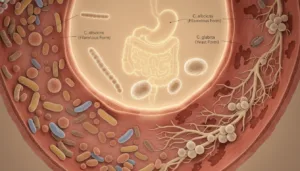
Is your body feeling off balance lately? Understanding the role of this common fungus is essential for your health. There are over 150 species of this fungus naturally residing in areas like your mouth and digestive tract. While typically harmless, an overgrowth can lead to serious infections.
A study found that 96% of chronic sinusitis patients tested positive for fungal infections. This highlights how imbalances can affect your well-being. Your gut health plays a vital role in regulating mood, as gut bacteria produce about 95% of the body’s serotonin.
Common symptoms of an imbalance include:
- Chronic fatigue
- Skin issues like eczema
- Digestive problems
Risk factors for overgrowth often include antibiotic use, which can kill off beneficial bacteria. High stress levels and uncontrolled diabetes can also weaken your immune system, contributing to systemic yeast issues.
The Science Behind Candida Cleanse Foods
Have you noticed changes in your energy levels or overall wellness? Your diet plays a crucial role in how your body manages yeast growth. High sugar intake can significantly impact your health by promoting the growth of yeast in your digestive tract.
Research shows that a diet rich in added sugar fuels the rapid multiplication of yeast in your system. Refined carbohydrates break down into glucose, disrupting the balance of beneficial bacteria in your gut. This imbalance can lead to various health issues.
On the other hand, a diet high in fiber supports a healthy gut microbiota. This composition helps beneficial bacteria thrive, producing metabolites that are essential for your health. Reducing sugar intake can be a powerful tool in supporting your body’s natural defenses against yeast.
Stable blood sugar levels are vital. Elevated glucose has been linked to higher rates of yeast infections. By focusing on whole foods, you can create an environment that favors beneficial bacteria over yeast, alleviating uncomfortable symptoms.
“A balanced diet can create a thriving gut environment.”
Incorporating Candida cleanse foods into Your Diet
Do you often feel like your body is not functioning at its best? Making the right dietary choices can help improve your overall health. It’s essential to focus on selecting foods that support your gut and overall wellness.
Start by emphasizing lean proteins and non-starchy vegetables. These options do not feed the yeast in your digestive system. Many people find it beneficial to work with a dietitian. They can help tailor food choices to meet your unique needs.
Fill your plate with a variety of vegetables to ensure you get enough fiber. Planning your meals can help you avoid processed foods that often contain hidden sugars. Consistency is key; making these changes a permanent part of your routine will greatly benefit your body.
When you are ready to start, you can call the Center for Fully Functional Health at 317-989-8463 to speak with a professional about your diet.
Candida Diet: Foods to Enjoy
Have you been feeling a bit off lately? Making smart food choices can greatly enhance your overall well-being. By focusing on the right options, you can support your body’s natural balance.
Incorporate these beneficial foods into your diet:
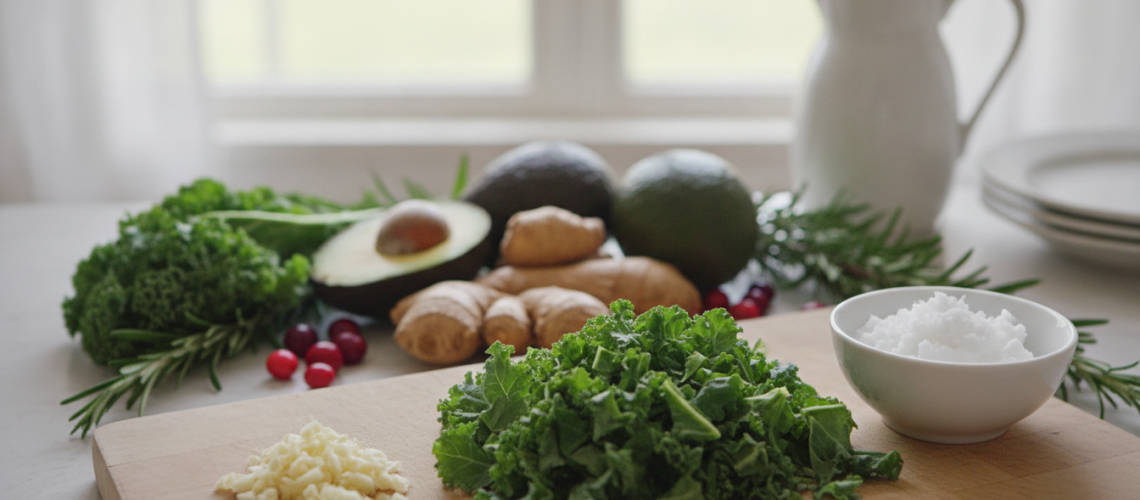
- Non-starchy vegetables: Enjoy broccoli, kale, and spinach. These are vital for a healthy gut and packed with nutrients.
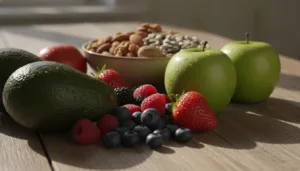
- Low-sugar fruits: Lemons, limes, and berries can be eaten in small amounts. They provide antioxidants without causing blood sugar spikes.
- High-quality proteins: Include chicken, salmon, and eggs. These options help maintain steady energy levels.
- Healthy fats: Avocado, flax oil, and olive oil are essential for reducing inflammation and supporting hormonal balance.
- Apple cider vinegar: Use 1 tablespoon daily as a condiment to enhance the flavor of salads and steamed vegetables.
- Stay hydrated: Drink plenty of filtered water and herbal teas to support your system.
Candida Diet: Foods to Avoid
Are you aware of the foods that could be impacting your health negatively? Making informed choices is crucial for your well-being. Eliminating certain items from your diet can significantly support your body’s natural balance.
A recent study showed that dietary changes in 120 people with intestinal overgrowth led to a notable reduction in yeast levels. Here are some key foods to avoid:
- Added sugars: Eliminate all forms, including honey, agave, and maple syrup. These are top offenders.
- Gluten-containing grains: Remove wheat, rye, and barley to prevent irritation in your digestive tract.
- Alcohol: Avoid beer and wine, as they can weaken your immune system and disrupt gut bacteria.
- High-sugar fruits: Stay away from bananas, dates, and grapes, especially during the initial phase of managing your symptoms.
- Moldy nuts and seeds: Exclude peanuts and cashews from your meals, as they can contribute to issues.
“Making dietary changes can significantly improve your health.”
Step-by-Step Guide to a Candida Cleanse
Is your body sending you signals that something is off? Taking the first steps toward a healthier you involves preparing both your body and mind. This process can significantly enhance your journey.
Start with a 2-4 week reduced-sugar phase. This timeframe often allows people to notice positive changes in energy and digestion. It’s a great way to kickstart your journey!
Next, remember that preparing your mind is just as important. Consider keeping a journal to track your meals and symptoms daily. This can help you identify what works best for your body.
Implementing the cleanse effectively means focusing on whole, nutritious options. Avoid processed items that typically feed the yeast in your system. As you progress, gradually reintroduce certain items to see how your body reacts.
- Stay hydrated and drink plenty of water.
- If you experience fatigue or headaches, ensure you are getting enough sleep.
- Use this guide as a short-term tool to regain control over your health.
Creating a Balanced Candida Meal Plan
Do you want to create a meal plan that supports your overall wellness? Planning your meals is a great way to stay on track with your health goals. By choosing the right options, you can nourish your body effectively.
Start your day with a balanced breakfast. For instance, a yogurt parfait made with plain yogurt and 1/4 cup of berries is a delicious choice. This meal provides essential nutrients without excessive sugar.
For lunch, consider a grilled chicken salad with cucumbers, peppers, and an olive oil vinaigrette. This combination offers lean protein and healthy fats to keep you energized.
As for dinner, baked salmon with roasted broccoli and a side of quinoa makes for a satisfying meal. These options are excellent for a balanced diet.
Remember to aim for about 10-15 grams of carbohydrates at each meal. This helps maintain stable blood sugar levels throughout the day. You can also use plain yogurt as a base for snacks, but make sure it’s unsweetened to avoid added sugar.
Feel free to adjust these meal suggestions based on your preferences and available ingredients. Keeping your meals varied can make healthy eating enjoyable!
Lifestyle Changes to Enhance Your Candida Cleanse
Have you ever considered how your daily habits impact your health? Making a few lifestyle changes can significantly support your journey towards a balanced gut. These adjustments not only aid in managing overgrowth but also promote overall well-being.
Managing your stress is essential. Chronic stress can weaken your immune system and disrupt the balance of your gut microbiome. Prioritizing relaxation techniques like meditation or yoga can make a big difference.
Equally important is ensuring you get enough sleep. Quality rest allows your body to recover and maintain its defenses. Staying hydrated is another key habit. Drinking plenty of water throughout the day supports your body’s natural functions.
Stress Management, Sleep, and Hydration
- Incorporate relaxation techniques to reduce stress.
- Ensure you get 7-9 hours of quality sleep each night.
- Drink at least 8 glasses of water daily to stay hydrated.
Physical Activity and Long-Term Gut Health
Regular physical activity enhances your overall health. It supports your body’s ability to regulate overgrowth and other infections. Reducing alcohol intake is another important lifestyle change. This can help you maintain the progress you’ve made with your diet.
By focusing on these habits, you create a supportive environment for your body to heal. Remember, these changes are not just for the short term; they are part of a sustainable approach to living a healthier, more vibrant life.
“Healthy habits are the foundation of a balanced life.”
Conclusion
Have you considered how small changes can lead to significant improvements in your health? Adopting a candida diet can be a transformative experience. It helps you address the root causes of your symptoms and boosts your overall well-being.
By eliminating sugar and focusing on whole options, you support your gut and immune system in their fight against overgrowth. Remember, this journey is personal; it’s essential to listen to your body as you make these positive lifestyle changes.
Whether you face fatigue or recurring infections, the right nutrition and habits can help you feel more comfortable and confident. We hope this guide has equipped you with the tools to take control of your well-being starting today.
Always consult with a healthcare professional if you have concerns about your diet or if your symptoms persist despite your best efforts.