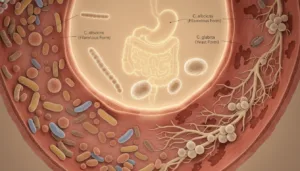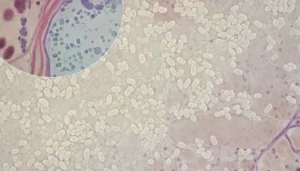
Did you know your daily meals might be contributing to a common issue known as candida overgrowth? This condition is often linked to Candida albicans, the most prevalent fungus found in the human body. It typically resides in areas like the mouth, skin, and digestive tract.
The candida diet is a focused nutritional approach aimed at reducing symptoms associated with fungal infections. By eliminating certain food groups, many individuals have reported improvements in their health.
This guide will delve into how specific items in your diet impact your overall wellness. We will also look at the scientific backing for the candida diet and provide practical steps to support your body.
Understanding the relationship between your gut health and immune system is crucial. By recognizing which items may contribute to overgrowth, you can make informed choices for a healthier lifestyle.
Key Takeaways
- Your diet may be influencing candida overgrowth.
- Candida albicans is the most common fungal infection in humans.
- The candida diet focuses on eliminating specific food groups.
- Scientific evidence supports dietary changes for improved health.
- Understanding gut health is key to overall wellness.
Table of Contents
ToggleUnderstanding Candida and Its Impact on Your Health
Understanding how candida operates within your body is essential for maintaining good health. This fungus is a natural inhabitant of your microbiome, but an imbalance can lead to overgrowth and infections.
While there are over 150 known species of candida, Candida albicans is the most common, responsible for over half of all clinical cases. Research has shown that fungal infections are prevalent; a 1999 study found them in 96% of chronic sinusitis patients.
Your gut microbiome plays a crucial role in your overall health. It manufactures about 95% of the body’s serotonin, a key neurochemical that influences your mood. When candida overgrows, it can disrupt this balance, leading to various symptoms.
- Chronic fatigue
- Bloating
- Skin issues like eczema
- Recurrent urinary tract infections
If you experience brain fog, it may be due to a neurotoxin produced by candida, which affects memory and focus. Maintaining a healthy balance of bacteria is vital, as overgrowth can lead to systemic issues impacting your joints and skin.
Candida Diet Fundamentals and Scientific Insights
A solid grasp of the candida diet can pave the way for better health. This dietary approach focuses on reducing the sources of yeast in your body while promoting the growth of beneficial bacteria. The primary goal is to starve off the yeast and nourish the good bacteria in your microbiome.
However, it’s important to note that the candida diet is often seen as a treatment option, yet many of its restrictions lack strong scientific backing. A 2016 study highlighted that Candida albicans could lead to fatal infections in up to 40% of cases, underscoring the need for awareness.
While some people find success with this diet, it’s crucial to recognize that it is intended as a short-term intervention. Many proponents believe that reducing food sources for candida can help restore the natural balance of your gut microbiome.
Before starting this diet, it’s wise to consult with a healthcare provider. This ensures you maintain adequate nutrient intake while making dietary changes.
Foods that feed candida: What to Avoid
What you consume daily may have a direct impact on yeast overgrowth in your gut. To maintain a healthy balance, it’s crucial to avoid certain ingredients. Research shows that specific items can promote the growth of harmful yeast.
High sugar intake is one of the main culprits. This can feed the yeast and worsen infections, especially in those with weakened immune systems. Additionally, gluten, alcohol, and some dairy products should be eliminated, as they may encourage overgrowth.
Processed ingredients, like deli meats and farm-raised fish, often fall into the category of foods to avoid. These can lead to inflammation and other health issues. Lastly, steer clear of artificial sweeteners, which can spike blood sugar levels.
By removing these specific items from your diet, you aim to starve the harmful bacteria and restore your gut health.
Key Components of a Candida-Friendly Diet
Crafting a diet that supports your health is essential when managing yeast overgrowth. A balanced plate can help you thrive while keeping harmful yeast at bay. The ideal anti-inflammatory plate consists of one-quarter lean protein, one-quarter healthy fats, and one-half non-starchy vegetables.
Lean Proteins and Healthy Fats
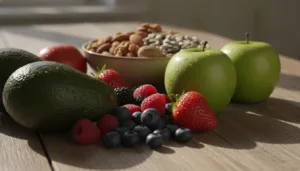
Your plate should be filled with lean protein, such as chicken, eggs, and salmon, which are staples of the candida diet. You can enjoy healthy fats like extra-virgin olive oil, coconut oil, and avocados to support your body while avoiding refined oils.
Non-Starchy Vegetables and Low-Sugar Fruits
Incorporating non-starchy vegetables like broccoli, kale, and spinach provides essential nutrients without the high sugar content found in other produce. When choosing low-sugar fruits, you are limited to small amounts of lemons, limes, and berries to keep your intake balanced.
You may include specific nuts and seeds like almonds and sunflower seeds in moderation, provided they are not high in mold content. These food choices are designed to reduce inflammation and support a healthy gut microbiome while you manage yeast overgrowth.
Meal Planning and Sample Candida Diet Recipes
Planning your meals thoughtfully can significantly influence your health and well-being. A balanced meal plan is essential when you’re focusing on managing yeast overgrowth. By organizing your meals, you can ensure you’re consuming the right nutrients while avoiding problematic ingredients.
Creating a Balanced Meal Plan
Start your day with a yogurt parfait made with plain yogurt, 1/4 cup of berries, cinnamon, and almonds. This breakfast option is not only delicious but also nutritious.
For dinner, consider a stir-fry of quinoa, chicken breast, and steamed vegetables, seasoned with coconut aminos. This meal provides a healthy balance of protein and fiber.
Planning your meal schedule helps you stay on track, especially when you are avoiding the foods that contribute to candida overgrowth. You might also enjoy salmon cakes served with steamed broccoli and a cup of bone broth for a nutrient-dense dinner option.
Tasty Candida Diet Recipe Ideas
Using cold-pressed oil and fresh herbs allows you to create flavorful dishes without relying on processed condiments or sugars. These recipes demonstrate that you can maintain a healthy diet while still enjoying a variety of delicious, whole-food ingredients.
Starting Your Candida Cleanse and Transitioning to the Diet
Embarking on a candida cleanse can be a transformative step towards improved health. Before diving into the full diet, many people opt for a short cleanse lasting 3-4 days. This helps release toxins from your system and prepares your body for dietary changes.
It’s essential to remember that a cleanse should not exceed a week. This short-term reset is designed to give your immune system a break. During this time, you might experience temporary fatigue or headaches as your body adjusts to the new intake.
To ease the transition, consider implementing changes gradually. For instance, slowly lowering your sugar intake can help reduce stress on your system. By focusing on whole foods, you can minimize inflammation and foster a healthier environment for beneficial bacteria to thrive.
Always consult with a healthcare professional before starting a cleanse. This ensures that your approach aligns with your specific health needs and goals.
Potential Benefits and Downsides of the Candida Diet
Exploring the potential advantages and drawbacks of the candida diet can offer valuable insights into your health. Many people have turned to this dietary approach to address yeast overgrowth and improve their overall well-being.
One significant benefit of the diet is the reduction of inflammation. This can lead to improved energy levels and overall health. A study involving 120 participants showed that dietary changes significantly reduced yeast numbers in stool samples.
However, challenges arise from the diet’s strictness. It bans gluten, most fruits, and sugars, which may lead to feelings of fatigue. While the diet is popular, the lack of extensive research means that individual results regarding infections can vary widely.
Despite these challenges, removing processed food from your routine is a positive step for anyone, regardless of their candida status. Ultimately, you should weigh the potential benefits against the difficulty of maintaining such a restrictive eating plan over time.
| Aspect | Benefits | Challenges |
|---|---|---|
| Inflammation Reduction | Improves health and energy | Strict dietary restrictions |
| Yeast Control | Reduces candida numbers | Potential fatigue from restrictions |
| Processed Food Elimination | Positive for overall health | Long-term adherence may be difficult |
Lifestyle Considerations for a Healthy Gut Microbiome
To maintain a thriving gut microbiome, it’s crucial to consider various lifestyle factors. Your gut health doesn’t solely depend on your diet; it also requires attention to stress levels and rest.
Managing Stress and Prioritizing Rest
Managing chronic stress is essential for your gut health. High stress levels can weaken your immune system, leading to an imbalance in your gut. Prioritizing rest is equally important, as your body needs time to repair and rejuvenate.
Incorporating relaxation techniques like meditation or yoga can help you manage stress effectively. These practices not only improve your mental health but also support your gut’s balance.
Enhancing Gut Health with Probiotics
Consider adding probiotic supplements to your routine. They stimulate the growth of good bacteria, helping to reduce the prevalence of overgrowth. A healthy gut microbiome is the foundation of your well-being, assisting you in fighting off infections.
Additionally, using apple cider vinegar in your salad dressings is a simple way to support your gut while adding flavor to your meals. A 2015 study demonstrated that apple cider vinegar possesses antifungal properties that may help manage various species in your gut.
Conclusion
Taking charge of your health is essential, especially when dealing with an overgrowth of yeast. While scientific evidence for the candida diet is limited, focusing on whole foods can significantly improve your gut health and overall well-being.
Consult with a doctor or registered dietitian before making major dietary changes. Symptoms like fatigue and bloating often indicate an underlying imbalance that needs professional attention.
By reducing sugars and processed foods, you can create an environment less favorable for yeast overgrowth and bolster your immune system. Adopting a proactive lifestyle, including stress management and probiotics, will help maintain a healthy gut long-term.
Ultimately, the goal is to find a sustainable way of eating that supports your body and helps you feel your best every single day. For more delicious and healthy recipes, check out gluten-free candida recipes that can fit into your new lifestyle.