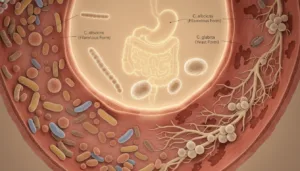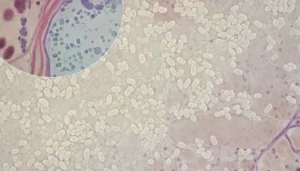
If you’ve been struggling with Candida overgrowth for a while, you’re likely familiar with the standard approaches: cutting out sugar, taking antifungal supplements, and following a strict diet. While these methods can be very effective, they sometimes don’t address deeper physiological factors that might be perpetuating your Candida issues. If you’re open to exploring unconventional approaches to finally get Candida under control, light therapy and optimizing circadian rhythms offer a promising, scientifically-backed strategy. This post will delve into how these advanced techniques can help you break the cycle of Candida overgrowth and achieve lasting relief.
Table of Contents
ToggleThe Impact of Light on Health
Light, particularly sunlight, is essential for maintaining various physiological processes. It regulates our circadian rhythms, which are the natural cycles that control sleep, hormone release, and other bodily functions. Disruption of these rhythms can weaken the immune system and create an environment conducive to Candida overgrowth.
A study published in Frontiers in Physiology emphasizes the critical role of circadian rhythms in immune function. The research found that circadian disruptions can impair the immune response, making the body more susceptible to infections, including fungal infections like Candida .
Light Therapy Techniques
Light therapy, especially with blue and red light, can help restore circadian rhythms and boost immune function. Blue light exposure during the day can enhance alertness and mood, while red light therapy in the evening can support cellular repair and immune activity.
This study demonstrated that red light therapy can enhance the function of immune cells, such as macrophages and lymphocytes. This suggests that red light therapy could support the body’s defense against Candida by improving immune surveillance and response .
Optimizing Circadian Rhythms to Combat Candida
Good sleep hygiene is crucial for maintaining healthy circadian rhythms and, consequently, a robust immune system. Poor sleep can lead to increased cortisol levels, which can suppress immune function and promote Candida growth.
Research published in the Journal of Clinical Endocrinology & Metabolism found that sleep deprivation can significantly increase levels of inflammatory markers and reduce the activity of natural killer (NK) cells, which are essential for controlling infections .
Practical Tips for Synchronizing Circadian Rhythms
- Morning Light Exposure: Spend at least 30 minutes outside in the morning sunlight. This exposure helps reset your internal clock and supports the production of serotonin, which later converts to melatonin to aid sleep.
- Limit Blue Light at Night: Reduce exposure to blue light from screens and artificial lighting in the evening. Consider using blue light blocking glasses or apps that filter blue light on electronic devices.
- Regular Sleep Schedule: Maintain a consistent sleep schedule by going to bed and waking up at the same time every day, even on weekends.
- Red Light Therapy: Incorporate red light therapy sessions in the evening. Red light therapy devices are widely available and can be used for 10-20 minutes before bedtime to support cellular repair and immune function.
Managing Candida overgrowth requires a holistic approach that goes beyond diet and supplements. By incorporating light therapy and optimizing circadian rhythms, you can enhance your immune function and create an environment less conducive to Candida proliferation. This unconventional strategy, supported by scientific research, offers a promising addition to your Candida management plan.