Understanding your body is the first step toward better health. One common fungus, often found in areas like the mouth and digestive tract, can sometimes lead to discomfort. While many people turn to a strict protocol to alleviate symptoms, it’s essential to approach this with care. This beginner’s guide aims to help you navigate your gut health through specific food choices and lifestyle adjustments.
The focus here is on removing sugar, gluten, and alcohol from your daily intake. Although the evidence supporting this approach is limited, many find it beneficial. Always remember to consult with a healthcare provider before making any significant dietary changes. This ensures that your nutritional needs are fully met while you explore new eating habits.
By understanding these changes, you can take control of your health and work towards long-term wellness. Our comprehensive plan will guide you through the complexities of managing your symptoms effectively.
Key Takeaways
- Understanding your body is crucial for better health.
- Removing sugar, gluten, and alcohol may help alleviate symptoms.
- Consulting a healthcare provider is essential before making dietary changes.
- This guide focuses on specific food choices and lifestyle adjustments.
- Long-term wellness is achievable with the right approach.
Table of Contents
ToggleUnderstanding Candida Overgrowth and Its Impact on Your Health
Your journey to better health starts with understanding the microorganisms in your system. One of the most common culprits is Candida albicans, responsible for over half of known infections. This yeast naturally occurs in your body and plays a role in digestion. However, when it grows excessively, it can lead to various health issues.
There are more than 150 species of this organism, but only a few can cause serious infections. Common symptoms of an infection include nausea, bloating, chronic fatigue, and skin issues like eczema. You might also experience recurrent urinary tract infections. If you have persistent digestive issues, such as constipation or diarrhea, it may indicate an imbalance in your gut microbiome.
Recognizing these symptoms early can help you take proactive steps toward restoring balance in your body. Understanding how these infections affect your health is crucial for your overall well-being.
Risk Factors and Lifestyle Causes of Candida Overgrowth
Awareness of the risks and lifestyle choices that impact your health is crucial. Several factors can lead to an imbalance in your body. For instance, antibiotic use is a significant risk. It kills off beneficial bacteria, which are essential for maintaining a healthy gut.
Moreover, high alcohol consumption and elevated stress levels can weaken your immune system. These lifestyle choices can create an environment where imbalances thrive. A diagnosis of diabetes is another recognized risk factor that may contribute to systemic issues.
Diet plays a pivotal role as well. Refined carbohydrates and high-sugar foods can feed harmful organisms, leading to an unhealthy internal environment. Increased estrogen levels, whether from pregnancy or certain medications, can also trigger imbalances.
Finally, chronic steroid use can leave you immunocompromised, making it easier for these issues to develop. As you navigate your health journey, understanding these factors is vital.
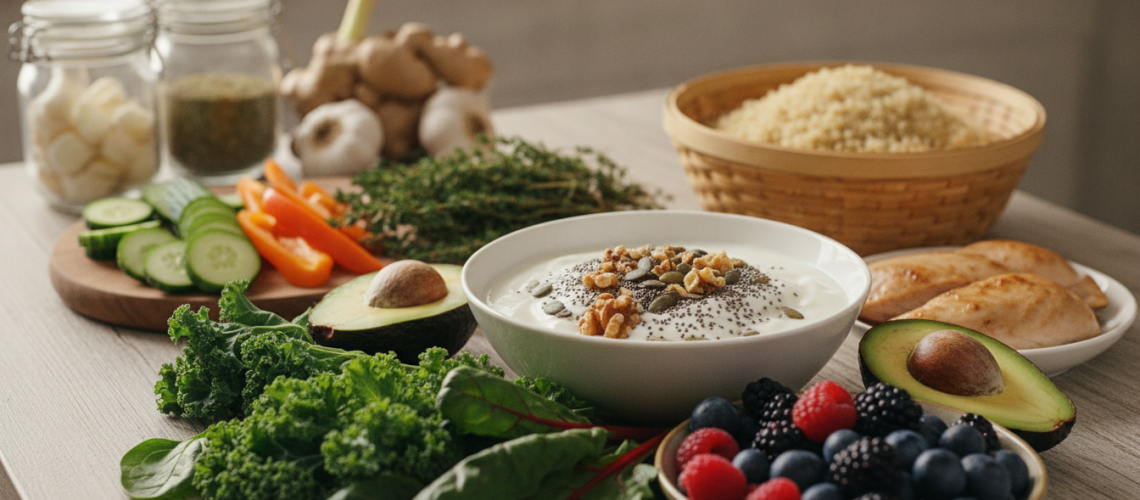
Candida Overgrowth Diet Plan: Foods You Can Eat
Choosing the right foods is a vital step toward improved wellness. When it comes to managing your health, incorporating a variety of nutritious options can make a significant difference.
Focus on including non-starchy vegetables like asparagus, broccoli, kale, and spinach. These are best enjoyed raw or lightly steamed to preserve their nutrients.
High-quality protein sources are also essential. Consider adding chicken, eggs, salmon, and turkey to your meals. These proteins support your body during dietary changes.
Don’t forget about healthy fats! Options like avocado, extra-virgin olive oil, and unrefined coconut oil are great additions. They provide essential nutrients while keeping you satisfied.
For grains, gluten-free choices like millet, quinoa, and buckwheat can help you maintain energy levels and offer necessary fiber.
Lastly, enjoy low-sugar fruits such as lemons, limes, and berries in moderation. They can satisfy your sweet cravings without causing sugar spikes.
Including nuts and seeds like almonds and sunflower seeds can also enhance your daily meal planning. These are excellent sources of healthy fats and protein.
Candida Diet: Foods to Avoid for Optimal Gut Health
Navigating your food choices is essential for maintaining a healthy gut. Certain foods can disrupt your balance and lead to discomfort. Here’s a list of what to eliminate:
Eliminating Sugars, Gluten, and Processed Ingredients
- Added and Simple Sugars: Remove all forms of sugar, including glucose, sucrose, corn syrup, honey, agave, and maple syrup.
- Gluten-Containing Grains: Avoid wheat, rye, barley, and spelt to prevent irritation of the intestinal lining.
- Dairy Products: Exclude milk, cheese, and cream, as they may increase acidity and stimulate unwanted growth.
- Processed Meats: Stay away from deli meats, salami, and ham to reduce exposure to harmful additives.
- Alcohol: Limit consumption of beer, wine, and spirits to support healthy lifestyle practices.
- High-Sugar Fruits: During the initial phases, avoid bananas, dates, raisins, and grapes to prevent sugar spikes.
Sample Menu: A Beginner’s Guide to Candida Diet Meal Planning
Creating a meal plan can help you navigate your eating habits with ease. A structured approach makes it easier to stick to your goals. Here’s a simple menu to guide you through the week.
Day-by-Day Recipe Ideas and Meal Examples
| Day | Meal | Description |
|---|---|---|
| Monday | Breakfast | Scrambled eggs with tomatoes and avocado for healthy fats. |
| Tuesday | Lunch | Thai red curry chicken for a flavorful protein boost. |
| Wednesday | Dinner | Hamburger patty without a bun, topped with avocado and steamed vegetables. |
| Thursday | Breakfast | Vegetable omelet made with eggs, shallots, spinach, and tomatoes. |
| Friday | Lunch | Turkey meatballs with a kale salad and millet topped with ghee. |
| Saturday | Dinner | Zucchini noodles topped with chicken, raw garlic, pesto, and olive oil. |
This menu provides a balanced approach to meals, focusing on protein and healthy fats. Each dish is designed to keep you satisfied while promoting overall wellness.
Starting Your Candida Cleanse: Tips to Ease Into the Diet
Embarking on a journey toward improved health requires thoughtful preparation. A six-week cleanse can help you reset your body. During this time, it’s suggested to limit your total carbohydrate intake to 60 grams per day. This approach can alleviate stress on your digestive system and assist in releasing toxins.
As you begin, you might experience symptoms commonly referred to as the “keto flu.” These include fatigue, headaches, and a foggy head as your body adjusts to a new fuel source. Some people also report mood swings and changes in sleep patterns during this transition.
To ease into this process, start slowly. Consider removing one item at a time, such as sugar or caffeine. This gradual approach can make the changes feel less overwhelming. Always consult with your healthcare provider, especially if you have diabetes or are on medication.
The Science and Controversies Behind the Candida Diet
Exploring the science behind dietary choices can empower your health journey. Research has shown mixed results regarding the effectiveness of specific eating habits for managing fungal infections. For instance, a notable three-month study involving 120 participants indicated that dietary changes significantly reduced yeast levels in those with intestinal issues.
However, there is currently no strong scientific evidence confirming the overall effectiveness of the candida diet as a medical treatment. While many aspects of this approach focus on whole foods, some recommendations regarding mold and preservatives lack scientific backing.
Despite the controversies, potential benefits of the diet include:
- Weight loss through healthier food choices.
- Improved heart health from increased intake of nutritious foods.
- Reduced inflammation by avoiding processed ingredients.
Ultimately, the lack of extensive human research makes this approach a topic of debate among health professionals. Understanding these complexities can help you make informed decisions on your wellness journey.
Practical Lifestyle Adjustments to Support Your Candida Journey
Taking charge of your lifestyle choices is essential for your overall well-being. To support your health, consider integrating some effective strategies into your daily routine.
First, managing stress is crucial. Reducing exposure to chronic stress from work or relationships can greatly improve your health. Incorporating practices like meditation can help address the root causes of your gut microbiome imbalance.
Next, exercise plays a vital role. Regular movement can boost your immune system and enhance your physical and emotional well-being. Aim for activities you enjoy, whether it’s walking, yoga, or dancing.
Additionally, hydration is key. Drinking plenty of water and herbal teas supports your body during dietary transitions. Probiotic supplements may also alleviate inflammation and help maintain a healthy gut.
For personalized guidance, you can contact the Center for Fully Functional Health at 317-989-8463. They can assist you on your wellness journey.
Conclusion
Embracing the path to better health requires mindful choices and dedication. While the approach to managing your symptoms may lack extensive scientific backing, many find relief by focusing on whole, anti-inflammatory foods. Prioritizing gut health is crucial, especially by eliminating sugar and processed ingredients that may contribute to systemic symptoms.
Remember, this journey is meant to restore balance rather than become a permanent lifestyle. Always consult with a healthcare professional before making significant changes, especially if you have underlying conditions like diabetes or infections. By managing stress, staying hydrated, and choosing nutrient-dense foods, you can support your body’s natural ability to maintain a healthy microbiome.
Your wellness journey is personal, so feel free to adjust your meal choices to suit your preferences and nutritional needs.