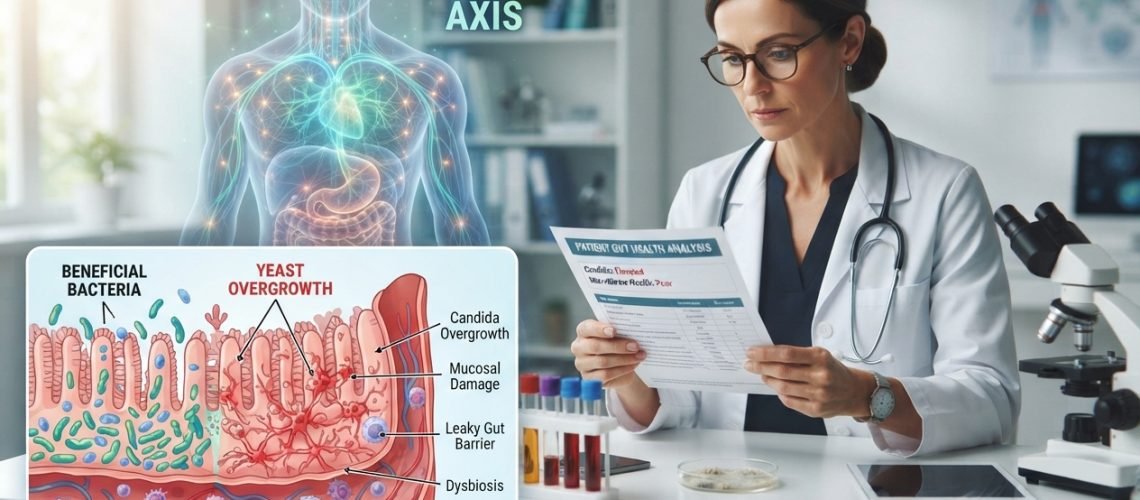
Welcome to my guide on understanding the complexities of yeast in our bodies. Many people are unaware that a type of yeast naturally exists in our system. This includes the mouth, skin, and digestive tract. However, just because you experience symptoms like bloating, fatigue, or brain fog does not mean there is an issue with yeast levels.
There are over 200 species of yeast, with Candida albicans being the most common associated with health problems. It’s essential to recognize that these organisms can live harmoniously in the gut microbiome, contributing to overall gut health.
In this guide, I will cover various approaches to understanding yeast levels, including stool and blood tests. However, I will emphasize that no single test can provide a complete diagnosis. It’s crucial to distinguish between typical digestive symptoms and more severe signs that could indicate serious infections.
Ultimately, my goal is to help you make informed decisions about your health, encouraging discussions with healthcare practitioners rather than fear-driven self-diagnosis.
Key Takeaways
- Yeast naturally occurs in the body and is not always harmful.
- Over 200 species exist, but Candida albicans is the most concerning for health.
- Gut microbiome plays a vital role in maintaining balance.
- Multiple testing methods exist, but no single test is definitive.
- Understanding symptoms is crucial for identifying serious health issues.
Table of Contents
ToggleOverview of Candida Overgrowth and Its Impact on Gut Health
Understanding the presence of yeast in our gut is essential for our health. Yeast, including species like Candida, is part of the diverse fungal community known as the gut mycobiome. This community also includes Saccharomyces cerevisiae and Malassezia restricta, both of which are typically found in healthy adults.
Approximately 64% of healthy individuals harbor Candida in their digestive systems. This natural colonization is crucial for maintaining balance. Beneficial bacteria and a diverse fungal environment work together with our immune system to regulate yeast levels effectively.
It’s important to distinguish between localized gastrointestinal issues and invasive candidiasis, which can affect vital organs like the kidneys and heart. Most concerns about digestive symptoms relate to gut imbalance rather than severe infections. Thus, understanding these dynamics can empower you to manage your gut health more effectively.
Understanding Candida and Debunking Common Myths
It’s crucial to explore the role of yeast in our health to dispel common misconceptions. Many people assume that the presence of yeast, such as Candida, is inherently harmful. However, research shows that approximately 64% of healthy individuals naturally carry yeast in their guts.
One prevalent myth is that any instance of bloating indicates an imbalance. In reality, bloating can stem from various factors, including constipation, IBS, food intolerance, or stress. It’s essential to consider these alternatives before jumping to conclusions.
Moreover, sugar cravings are often misattributed to yeast issues. Factors like diet, sleep, and stress significantly influence these cravings. Thus, they do not necessarily confirm an infection.
Another misconception is that antibiotics only target harmful bacteria. In fact, they can also diminish beneficial bacteria that compete with yeast for resources. This disruption can create an environment where yeast can thrive.
“Not every case of digestive discomfort is linked to yeast; understanding the broader context is vital.”
In summary, it’s important to recognize that yeast in the gut isn’t automatically a problem. Awareness of these myths can lead to more informed health decisions.
Recognizing the Signs and Symptoms of Candida Overgrowth
Recognizing the signs of yeast imbalance is crucial for understanding our health. Commonly reported symptoms include bloating, gas, and abdominal discomfort. These digestive indicators can also manifest as changes in bowel habits or a feeling of fullness after meals.
Additionally, systemic complaints such as fatigue, low energy, and brain fog can arise. These symptoms are often nonspecific, making it essential to consider their broader context. Recent use of antibiotics, chronic stress, and poor sleep may contribute to these feelings.
It’s important to note that symptoms can overlap with conditions like IBS, SIFO, and food intolerances. Therefore, while these signs may suggest a yeast imbalance, they should prompt a more comprehensive health assessment. For more information on symptoms and their implications, check out this detailed guide.
Exploring Diagnostic Methods for Candida Infections
When it comes to diagnosing yeast-related issues, understanding the various methods available is essential. Each method offers unique insights into the presence of yeast in the body.
One effective approach is stool qPCR, which can detect and quantify yeast DNA in stool samples. This method provides a direct measure of yeast levels, making it a valuable tool for diagnosis.
On the other hand, urine organic acid testing (OAT) measures indirect metabolic markers, such as D-arabinitol and arabinose. While this method can indicate potential issues, it is not as specific as stool testing.
Mucosal cultures are another option, identifying yeast at affected sites like the mouth or skin. These tests are particularly relevant for localized infections.
However, I advise caution with the DIY spit test. This method lacks scientific validation and may lead to misleading results. Always interpret any test results alongside your symptoms and health history.
“A comprehensive approach to diagnosis considers all aspects of health, not just isolated test results.”
How to Perform candida overgrowth testing at Home
Exploring at-home options for assessing yeast levels can empower you to take charge of your health. One convenient choice is the RxHomeTest, which allows you to collect a blood sample through a simple finger prick.
This kit is priced at $124.99, reduced from $149.00, making it an affordable option for many. Once ordered, the kit reportedly arrives within 3-5 business days, and results are available 5-7 business days after the lab receives your sample.
RxHomeTest uses CLIA-certified laboratories, ensuring reliable results and physician-reviewed reports. However, it’s essential to remember that while this at-home kit offers convenience, it should not be viewed as a standalone diagnosis for yeast issues.
Before ordering, I recommend verifying:
- Test validity and specimen requirements
- State availability and privacy terms
- Clinician follow-up options
At-Home Testing Options: Stool Tests, Organic Acid Testing, and More
Exploring various at-home options for assessing yeast levels can enhance your understanding of gut health. Two popular methods include stool tests and organic acid testing (OAT).
For stool testing, here’s how you can proceed:
- Collect a small stool sample at home using the provided kit.
- Package it according to the kit instructions.
- Send it to a laboratory for analysis.
The GI-MAP is a notable stool panel that uses qPCR technology to assess various gut microorganisms, including specific yeast species. While stool tests can quantify yeast DNA, they may not determine if an imbalance is causing your symptoms.
Organic Acid Testing (OAT) offers another perspective. It can assess indirect markers like D-arabinitol and arabinose, which suggest fungal activity. However, these markers are not definitive indicators of an issue.
It’s essential to compare the broader ecosystem insights from stool panels with the metabolic information provided by urine testing. Understanding these methods can help you make informed health decisions.
Understanding Blood and Culture Tests for Candida Diagnosis
Blood tests can provide valuable insights into the presence of yeast in the body. These tests may measure antibodies such as IgA, IgG, and IgM, as well as Candida antigen. The antibodies can indicate past or ongoing exposure, while the antigen may suggest a more serious bloodstream infection.
It’s important to note that invasive candidiasis is rare and typically affects hospitalized or immunocompromised patients. For localized symptoms, mucosal swabs are often more appropriate. These swabs can evaluate conditions like oral thrush or vaginal yeast infections.
Culture testing is another valuable method. It can identify specific yeast species and sometimes assess antifungal resistance. If you experience severe illness or signs of systemic infection, I encourage you to seek urgent medical evaluation.
Interpreting Test Results: What They Mean for My Health
Interpreting test results is essential for understanding their implications on my health. Just because a test detects yeast does not mean it is causing my symptoms. Yeast can naturally colonize the gastrointestinal tract without leading to disease.
It’s crucial to distinguish between colonization and infection. While yeast may inhabit my gut, it doesn’t always result in health issues. Practitioners often combine laboratory findings with my symptoms, medical history, and physical examination to form a complete picture.
A positive stool result may indicate the presence of yeast but does not prove tissue invasion or symptom causation. Likewise, negative results need context, as sampling limitations can affect what a test detects.
Therefore, I should avoid self-prescribing antifungal treatment based solely on a home report. Always consult a healthcare provider for a comprehensive evaluation.
“Understanding test results requires a holistic view of health, not just isolated numbers.”
Natural Strategies for Supporting Gut Balance Amid Candida Overgrowth
Finding natural ways to support gut health is essential for overall well-being. A few dietary adjustments and lifestyle changes can significantly enhance my gut balance. By focusing on nourishing my microbiome, I can help maintain a healthy digestive system.
Dietary Adjustments and Probiotic Support
Emphasizing overall dietary quality is crucial. I should aim to reduce excess added sugar and ultra-processed foods rather than eliminating every carbohydrate. Gradually increasing fiber can nourish beneficial microbes and support short-chain fatty-acid production.
One option to consider is Saccharomyces boulardii, a probiotic that may support microbiome balance. However, I should keep in mind that human evidence remains limited and inconsistent. Additionally, while allicin has shown antifungal activity in laboratory studies, there is no solid human evidence proving its effectiveness against gut issues.
Lifestyle and Stress Management Tips
To further support my gut health, I should focus on lifestyle factors. Reducing unnecessary antibiotic use can help protect my microbiota balance. Prioritizing sleep and managing stress effectively are also vital for maintaining immune and microbiome function.
Ultimately, it’s important to remember that no single food, supplement, restrictive diet, or cleanse has been proven to cure gut issues. A holistic approach will be most beneficial.
Key Questions to Ask My Healthcare Provider
Navigating discussions with my healthcare provider can significantly impact my health journey. It’s essential to prepare for my medical appointment by considering key questions that can help clarify my situation.
First, I will ask which diagnosis best fits my symptoms. Conditions like IBS, SIFO, celiac disease, or food intolerance may need evaluation. Understanding the appropriate tests is also crucial. I should inquire why a stool, OAT, blood, culture, or swab test is recommended for my suspected infection location.
Additionally, I will bring a list of medications I have taken recently, including antibiotics and supplements. This information can be vital for accurate diagnosis and treatment planning.
It’s also important to discuss how test results—whether positive, negative, or borderline—could affect my treatment plan. I should ask if my symptoms require urgent assessment for a serious infection or if they can be managed through routine follow-up.
Lastly, I will inquire about the benefits, risks, and alternatives of any proposed antifungal medication. Understanding these aspects can empower me to make informed decisions about my health.
Conclusion
My main takeaway is that Candida can live in a healthy gut microbiome. Finding it does not prove harmful overgrowth or an active infection. About 64% of healthy people may carry it, so symptoms and health history matter.
Stool qPCR, OAT, blood tests, and cultures each offer a different view, and each has limits. Ongoing bloating, fatigue, brain fog, or bowel changes deserve a broader review, since many conditions can cause them.
For long-term gut support, I focus on balanced meals, fiber I can tolerate, good sleep, stress care, and careful antibiotic use. Before acting on a home result, I review it with a qualified healthcare provider. This helps me avoid needless treatment and choose care that fits my health.