Pelvic floor dysfunction and candida yeast infections are two common conditions that affect many women, presenting with somewhat similar symptoms but requiring different treatments. This article aims to differentiate between the two, helping individuals understand when to seek specific medical advice.
Understanding Pelvic Floor Dysfunction
Pelvic floor dysfunction refers to a range of problems that occur when the muscles of the pelvic floor are either too tight or weak, or when there is an impairment of the sacroiliac or hip joints, which can affect the pelvic floor. This condition can lead to symptoms such as pelvic pain, pressure, discomfort during intercourse, urinary urgency, and even mimic signs similar to those of infections.
What is a Candida Yeast Infection?
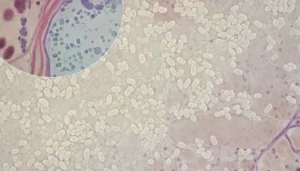
Candida yeast infection, commonly referred to as a yeast infection, is caused by an overgrowth of the fungus Candida albicans. This condition is characterized by symptoms like itching, burning, and a distinctive white discharge that resembles cottage cheese. Unlike pelvic floor dysfunction, a yeast infection directly affects the vaginal flora and is unrelated to the muscular or skeletal structure of the pelvic region.
Differentiating the Symptoms
While both conditions can cause discomfort in the pelvic area, the nature of the pain and other symptoms can help distinguish between them:
- Pelvic Floor Dysfunction: The pain is often more related to physical activities or positions. Symptoms may include aching or burning in the pelvic region, pain during or after intercourse, and difficulties with bowel movements. There may also be urinary symptoms, but these are related to muscle spasms or weaknesses rather than infections.
- Candida Yeast Infection: This is typically marked by itching and burning that increases in intensity, a white discharge, and discomfort that is primarily internal and related to the vaginal environment rather than influenced by physical movements or muscle control.
Treatment Approaches
Treatment for each condition varies significantly, highlighting the importance of accurate diagnosis:
- Treating Pelvic Floor Dysfunction: Physical therapy is often the first line of treatment, focusing on exercises that relax, stretch, or strengthen the pelvic floor muscles. Techniques might include manual therapy, biofeedback, and relaxation exercises. Addressing any underlying joint issues or contributing factors is also critical.
- Treating Candida Yeast Infection: Antifungal medications, either over-the-counter or prescription, are effective in treating yeast infections. These can be administered via creams, ointments, or oral medications depending on the severity and frequency of the infections.
The Importance of Correct Diagnosis
Misdiagnosis can lead to prolonged discomfort and ineffective treatments. For example, treating pelvic floor dysfunction with antifungal medications will not alleviate symptoms if a yeast infection is not the underlying cause. Similarly, pelvic exercises will not resolve symptoms caused by a fungal infection. Consulting with a healthcare provider who can perform appropriate tests and evaluations is crucial for receiving the correct treatment.
Conclusion
Understanding the differences between pelvic floor dysfunction and candida yeast infections is vital for effective treatment and management. If you experience any of the symptoms described, it’s important to seek advice from a healthcare professional who can provide a thorough assessment and appropriate treatment plan.