Candida is a common fungus that many people carry in their bodies. While it usually lives in harmony with other microorganisms, an imbalance can lead to discomfort and health issues. Understanding this is the first step in managing your health effectively.
Maintaining a balanced internal environment is crucial. You can start by recognizing the signs of imbalance. Simple lifestyle changes can make a significant difference. This guide offers actionable steps to help you support your body and keep the yeast levels in check.
By focusing on your daily habits, you can create an internal environment that discourages excessive yeast growth. We will explore how small adjustments to your routine can help you regain balance and feel like yourself again without relying on harsh chemicals.
Key Takeaways
- Understanding candida is essential for managing its levels.
- Recognizing signs of imbalance can help prevent discomfort.
- Simple lifestyle changes can support your body.
- Daily habits play a significant role in maintaining balance.
- Natural approaches can help you feel better without chemicals.
Table of Contents
ToggleIntroduction: Understanding Candida Overgrowth
A type of yeast, which many people carry, can sometimes lead to health challenges. Understanding this phenomenon requires you to examine how your body maintains a delicate balance among various microbes and fungal species.
According to experts at Parsley Health, 89% of members report improvements in their symptoms within the first year of following a health protocol. This statistic highlights the importance of recognizing when yeast levels become problematic.
This section sets the stage for your journey toward better health. We will clarify the difference between normal yeast levels and an infection. Furthermore, we will explore why your internal ecosystem might shift.
By understanding these dynamics, you can proactively manage changes to protect your long-term wellness.
What is Candida?
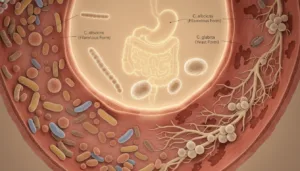
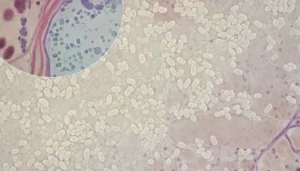
In small amounts, yeast is a regular part of your body’s ecosystem, aiding in health. One of the most common types is Candida albicans, a species of yeast that resides in your gut, mouth, and skin. This organism coexists with trillions of other microbes, contributing to a balanced internal environment.
When present in small amounts, this yeast is not harmful. In fact, it plays a role in supporting your immune system. However, research shows that when your body’s defenses are weakened, Candida albicans can become problematic. This imbalance can lead to infections and other health issues.
Your body relies on a balance of microorganisms. Yeast is just one part of this complex ecosystem. When you maintain healthy levels, it helps process nutrients effectively. But remember, it must be kept in check by beneficial bacteria.
| Aspect | Details |
|---|---|
| Species | Candida albicans |
| Location | Gut, mouth, skin |
| Role | Supports immune system |
| Risk | Infections when defenses are weak |
Identifying Early Signs and Symptoms
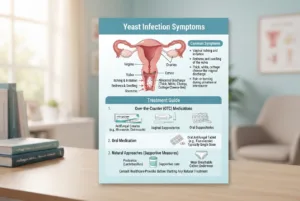
You might be surprised to learn that yeast exists within your body in small amounts. However, when it grows too much, it can lead to various health issues. You may notice symptoms like fatigue or digestive problems. A 1995 study even suggests that prolonged gut candidiasis could be linked to chronic fatigue syndrome.
In the United States, approximately 1.4 million people visit a doctor each year for a vaginal yeast infection. This is significant, especially since about 20% of females have Candida in their vaginal tracts. Signs to watch for include itching or thick discharge.
Identifying candida overgrowth early is crucial. Symptoms often overlap with other conditions, making self-diagnosis tricky. If you experience persistent fatigue or recurring infections, it’s wise to consult a healthcare provider. They can help determine if your symptoms are related. Remember, early detection is key.
Common Causes Contributing to Candida Overgrowth
Many people unknowingly host a variety of fungi within their bodies. While this is normal, certain factors can lead to an imbalance. Understanding these triggers is essential for maintaining your health.
You may be at higher risk for an overgrowth if you recently took antibiotics. These medications can clear out the bacteria that help keep yeast in check. When your beneficial bacteria are depleted, yeast can multiply freely.
The CDC identifies a weakened immune system as one of the biggest risk factors for yeast infections. This makes you more susceptible to discomfort and health issues.
- Chronic stress and poor sleep can further weaken your defenses.
- These lifestyle factors create an environment where yeast thrives.
- Recognizing these factors is the first step in managing your health.
By addressing these common causes, you can help restore balance in your body. For more tips on maintaining your health, check out this guide.
Preventing candida overgrowth naturally: A Holistic Approach
While yeast is a natural part of your internal ecosystem, it can lead to issues when levels rise. Taking a holistic approach means addressing the root causes rather than just suppressing symptoms. This strategy focuses on restoring balance in your body.
To achieve this, support your body’s ability to regulate yeast levels. Integrating dietary changes and stress management can create a healthier environment for your gut. By avoiding quick-fix cleanses, you can build a sustainable lifestyle that prevents excessive yeast from returning.
Your journey toward healing is about creating a strong foundation. This foundation allows your immune system to effectively manage yeast populations in your gut. Remember, it’s about long-term health, not just temporary fixes.
Dietary Changes to Combat Candida
Your diet plays a crucial role in maintaining a balanced gut environment. Making thoughtful food choices can help manage yeast levels effectively. To support your health, consider what you eat and how it affects your body.
Foods to Include for a Balanced Gut
Incorporating nutrient-dense foods is essential. Focus on:
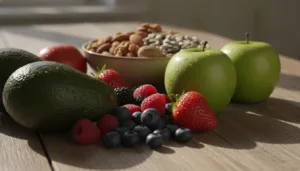
- Non-starchy vegetables like broccoli and spinach, which provide essential nutrients without raising blood sugar.
- Whole, unprocessed foods that nourish your body and support gut health.
- Fermented foods such as yogurt and sauerkraut, which can promote a healthy microbiome.
Foods to Avoid that Feed Candida
Equally important is what to avoid. Eliminate:
- Refined sugars and processed foods, known to fuel yeast growth.
- Foods high in sugar, refined grains, dairy products, and alcohol.
- Processed meats that can disrupt your gut balance.
Transitioning to this nutrient-dense diet requires commitment, but it is a powerful tool for managing yeast levels and improving your energy.
Natural Antifungal Remedies and Supplements
Natural substances like garlic and coconut oil offer promising benefits against yeast imbalances. These ingredients have been shown to help manage yeast levels effectively. Incorporating them into your routine can be a game-changer.
Herbal Remedies like Coconut Oil and Garlic
Garlic is well-known for its antifungal properties. It contains allicin, which has been proven to act against yeast in various studies. You can easily add garlic to your meals for a flavorful boost.
Coconut oil is another powerful option. High in lauric acid, it has shown effectiveness in fighting yeast infections in test-tube studies. Using coconut oil in cooking or as a supplement can support your efforts.
Evidence-Based Supplements for Candida Control
In addition to these remedies, consider using oregano oil. This oil helps manage imbalances caused by different yeast strains. Always remember to dilute essential oils to avoid any adverse reactions.
These natural remedies and supplements can be highly effective when used consistently under the guidance of a qualified healthcare provider. Incorporating them into your lifestyle can support your overall health.
The Role of Probiotics and Prebiotics in Gut Health
Your gut is home to trillions of microorganisms, each playing a vital role in your health. To maintain this balance, incorporating probiotics and prebiotics into your diet is essential.
Probiotic-rich foods can help restore balance. For instance, Saccharomyces boulardii is a powerful probiotic that prevents Candida from attaching to intestinal cells. Research published in FEMS Microbiology Letters confirms that these beneficial bacteria help crowd out harmful organisms in your system.
Probiotic-Rich Foods to Restore Balance
- Fermented foods like yogurt and sauerkraut are excellent sources of probiotics.
- Regular consumption of these foods can enhance your gut flora.
Importance of Prebiotics for Nurturing Good Bacteria
Prebiotics, such as asparagus and bananas, act as food for your good bacteria. They promote the growth and colonization of beneficial microbes in the gut. By combining probiotics and prebiotics, you create a synergistic effect that strengthens your gut integrity and boosts your overall immune function.
Including these foods in your daily routine is a practical way to maintain a healthy microbial balance. Remember, “A healthy gut leads to a healthy you!”
Lifestyle Factors: Stress, Sleep, and Immune Support
Balancing stress and sleep is vital for your overall well-being and immune function. High stress levels can lead to elevated cortisol, which disrupts your gut flora. This creates an environment where yeast can thrive.
The National Sleep Foundation recommends that you aim for at least seven hours of sleep each night. This is essential for supporting your body’s healing processes. Chronic stress and lack of sleep can weaken your immune system, making it harder for your body to combat yeast imbalances.
Engaging in regular, light exercise, such as yoga or walking, can significantly reduce stress levels. These activities also improve circulation, which is beneficial for your overall health.
By optimizing these lifestyle factors, you lay a solid foundation for your body to recover and maintain its natural balance.
| Lifestyle Factor | Recommendation |
|---|---|
| Stress Management | Prioritize stress-reducing activities like yoga or meditation. |
| Sleep | Aim for at least seven hours of quality sleep per night. |
| Exercise | Engage in light exercises regularly to boost circulation. |
Integrating Home Remedies with Conventional Treatments
Exploring both natural and medical treatments may provide a more comprehensive solution. Many people find that combining these approaches can lead to better health outcomes. If you’re dealing with yeast imbalances, it’s essential to understand how to integrate different methods effectively.
A doctor may prescribe antifungal medications such as nystatin, clotrimazole, or fluconazole based on the severity of your condition. These medications can be very effective in treating infections.
Combining Natural and Medical Approaches
- You can integrate natural remedies with conventional treatment, such as prescription antifungals.
- Working closely with a healthcare provider ensures that you safely combine these methods to address the root cause of your issues.
- Natural methods should not replace medical care if you have a severe or persistent infection.
- Your provider can help you determine if a combination of natural supplements and medication is the safest path for your recovery.
- By collaborating with a professional, you ensure that your treatment plan is tailored to your specific needs and health history.
Practical At-Home Strategies for Healing
Taking a proactive approach to your health can lead to positive changes. One effective method is implementing a two-week elimination diet. This can help you identify which foods might be fueling your yeast issues.
During this time, consider cutting out refined carbs and sugars. Monitor how your body reacts as you reintroduce foods to see if symptoms worsen. This will help you create a tailored plan for your health.
Additionally, maintaining a consistent routine for meals and sleep is crucial. This consistency will support your digestive tract as it recovers from any stress caused by imbalances.
Stay hydrated and focus on whole, unprocessed foods. These choices will support your body as it works to restore balance. If you’re feeling low-energy, restorative exercises like Pilates or light walking can be beneficial during your healing plan at home.
| Strategy | Details |
|---|---|
| Elimination Diet | Cut out refined carbs and sugars for two weeks. |
| Monitor Reactions | Systematically reintroduce foods to identify triggers. |
| Consistent Routine | Establish regular meal and sleep schedules. |
| Stay Hydrated | Drink plenty of water to support recovery. |
| Restorative Exercise | Engage in light activities like Pilates or walking. |
Collaborating with Healthcare Providers for Effective Management
Collaborating with your healthcare provider can significantly enhance your approach to managing yeast imbalances. Getting a proper diagnosis is the first step. A stool test is a common diagnostic tool used to find out what types of yeast are overgrowing in your GI tract.
When you meet with your provider, consider asking specific questions about how to prevent the overgrowth from recurring in the future. It’s also essential to discuss any underlying conditions you may have, as these can influence the effectiveness of your treatment plan.
Your healthcare provider can help you distinguish between yeast issues and other conditions, like leaky gut syndrome, that share similar symptoms. By maintaining open communication with your doctor, you ensure that your management strategy remains effective and safe for your long-term health.
Conclusion
Understanding the balance of yeast in your body is essential for overall health. You have learned that while yeast exists in small amounts, managing an overgrowth requires a holistic approach to your overall well-being.
Research shows that by addressing diet, stress, and lifestyle, you can successfully restore balance to your internal ecosystem. Many people find that consistency with natural remedies and professional guidance leads to lasting improvements in their daily health.
Remember, 89% of Parsley Health members improve or eliminate their symptoms within the first year of following a root-cause protocol. Your journey to healing is personal, so stay patient and continue to prioritize the habits that keep your body thriving and balanced.