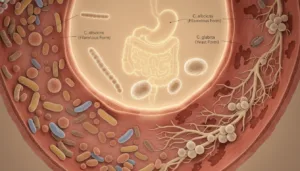
Understanding the indicators of a recovering digestive system is crucial for anyone aiming to enhance their overall health. Dr. March Seabrook, a gastroenterologist based in West Columbia, South Carolina, emphasizes the complexity of this internal ecosystem. It influences various aspects of your body, and the effects are just beginning to be fully appreciated.
When you notice positive changes in daily life, it often suggests that your digestive health is on the right track. This guide will delve into the specific indicators that signal improvements in gut function. By being attentive to subtle shifts, you can determine whether your digestive system is regaining its natural balance.
Join us as we explore how to recognize these important signs and foster a healthier digestive environment.
Key Takeaways
- Recognizing indicators of digestive recovery can enhance overall health.
- Experts highlight the complex nature of the gut’s ecosystem.
- Positive changes often indicate a shift toward better digestive health.
- This guide helps distinguish between normal fluctuations and real improvements.
- Paying attention to bodily signals can reveal significant health changes.
Table of Contents
ToggleOverview of Gut Health and Healing
Recognizing what promotes a healthy digestive environment is vital for enhancing overall well-being. The gut microbiome consists of trillions of microorganisms, including bacteria, viruses, and fungi. These tiny organisms play a crucial role in managing your body and overall gut health.
Maintaining a healthy gut is essential for proper digestion, metabolism, and immune system function. According to the American Medical Association, a healthy gut acts as the foundation for your well-being. It ensures that your digestive system can effectively break down food and absorb vital nutrients.
When you focus on gut health, you support the trillions of microorganisms that keep your body functioning at its peak performance. Recognizing the indicators of a healthy gut allows you to better understand how your body responds to the food you eat every single day.
Signs your gut microbiome is healing
Recognizing positive changes in your digestive health can greatly impact your overall wellness. Many people often overlook the subtle shifts that indicate improvements. Dr. March Seabrook highlights a common triad of symptoms: bloating, diarrhea, and abdominal pain. A reduction in these symptoms can signal that your digestive system is on the mend.
As your gut microbiota stabilizes, you may feel more resilient. This means being less reactive to the foods you eat. Healing is a gradual journey, and spotting these indicators is crucial for achieving a balanced digestive system.
When healing progresses, energy levels often stabilize. You might also notice an uplift in your mood throughout the day. These positive signs suggest that your internal environment is becoming more diverse and better equipped to handle daily stressors and dietary changes.
Tracking Changes in Bowel Movements and Digestion
Tracking changes in your bowel habits can provide insight into the state of your digestive health. Most healthcare providers consider a healthy pattern to be having a bowel movement anywhere from three times a day to three times a week. This range indicates that your digestive system is functioning well.
Additionally, passing gas is a normal part of the digestive process. Healthy individuals may pass gas up to 21 times per day, which helps prevent intestinal buildup. Monitoring these occurrences can help you understand how your body processes food.
Your bowel transit time, which is the duration it takes for food to move through the digestive tract, typically ranges from 30 to 40 hours. However, it can take up to 72 hours in some cases. If you notice a decrease in bloating, it may signal that your digestion is becoming more efficient.
Regularly observing the consistency and frequency of your bowel movements provides valuable data about how well your body is processing the food you eat. These insights can guide you toward a healthier digestive system.
Boosting Energy and Mental Clarity Through Gut Health
Feeling energetic and clear-headed can often be linked to how well your digestive system functions. When nutrient absorption is optimized, you may notice a significant boost in energy levels throughout the day. This consistency is a strong indicator that your body is effectively processing the nutrients it needs.
On the flip side, when digestion falters, you might experience persistent brain fog and fatigue. These issues can make it hard to concentrate or stay alert. Research has shown that digestive problems can be closely tied to chronic fatigue syndrome, emphasizing the role of gut health in overall energy levels.
Improving your digestive function can also help clear the fog that often accompanies digestive distress. By ensuring that your body absorbs the right nutrients, you can combat fatigue and enhance your productivity. If you’re looking for ways to support your digestive health, consider exploring probiotic foods that can promote a balanced gut environment.
Managing Stress and Its Impact on Your Gut
Stress management plays a pivotal role in maintaining a balanced digestive system. Chronic stress can disrupt the delicate balance of microbiota in your digestive tract. This disruption can lead to increased inflammation and a negative impact on your overall mood and hormones.
When you experience stress, your body may trigger various digestive issues. These problems can reveal how closely your mental state is tied to digestive health. Early identification of stress-related digestive issues is crucial. It can help you prevent long-term damage and maintain a more stable, positive mood.
Your hormones are significantly influenced by your gut. Reducing stress can lead to a more harmonious relationship between your mind and body. By addressing the root causes of your stress, you can protect your gut from inflammation. This ensures that your digestive system remains in top condition.
- Managing stress is crucial for maintaining gut health.
- Stress can trigger digestive issues that reflect your mental state.
- Identifying stress-related problems early helps prevent long-term damage.
- Your hormones are affected by gut health, making stress reduction vital.
- Addressing stress can protect your gut and improve overall well-being.
Optimizing Your Diet for a Healthy Microbiome
A well-rounded diet is essential for fostering a thriving digestive environment. Dr. March Seabrook recommends focusing on nutrient-rich foods to support gut health. This includes incorporating a variety of fruits and vegetables into your meals.
These foods are packed with vitamins and fiber, which are crucial for long-term gut healing. A well-balanced diet rich in nutrients provides the essential fuel your body needs to thrive.
However, it’s also important to identify and avoid specific foods that can upset your stomach. For instance, some individuals may find that bananas lead to digestive discomfort, causing either constipation or diarrhea.
By being mindful of your unique sensitivities, you can create an environment where your digestive system can effectively repair itself. Here’s a quick overview of foods to consider:
| Food Type | Benefits | Considerations |
|---|---|---|
| Fruits | Rich in vitamins and fiber | Monitor for individual sensitivities |
| Vegetables | Support digestion and gut health | Avoid those that cause bloating |
| Whole Grains | Provide essential nutrients | Check for gluten sensitivities |
| Fermented Foods | Enhance gut flora | Introduce gradually to avoid discomfort |
| Processed Foods | Limit for better health | Can hinder gut recovery |
By focusing on nutrient-dense foods and eliminating processed items, you can promote a healthier digestive system.
Understanding Diagnostic Tests and When to Seek Help
Grasping the significance of diagnostic tests can empower you to take charge of your digestive health. These evaluations play a vital role in identifying potential issues that may arise within your digestive system.
If you experience persistent symptoms like unexplained abdominal pain or weight loss, it is crucial to seek a medical evaluation. Doctors often use tests like fecal calprotectin to measure inflammation in the gut. This helps them diagnose potential immune or digestive issues.
A professional evaluation can rule out serious diseases, such as colon cancer or inflammatory conditions. When digestive issues do not improve with lifestyle changes, a gastroenterologist can provide the diagnostic tools needed to protect your immune system.
Understanding when to seek help is a sign of proactive health management. This allows you to address underlying disease before it becomes a major problem.
Practical Daily Tips and Lifestyle Adjustments
Making daily adjustments to your lifestyle can significantly boost your digestive health. Dr. March Seabrook suggests that the best way to improve gut function is through simple yet effective habits.
Adopting a healthy lifestyle that includes regular exercise and adequate water intake is one of the simplest ways to enhance digestive function. Small, consistent changes in your daily routine can support your overall health and help your body maintain its natural process of recovery.
Dr. Seabrook emphasizes that staying hydrated and active are fundamental steps for anyone looking to optimize gut function every single day. By prioritizing these lifestyle adjustments, you provide your body with the support it needs to keep the microbiome in balance.
Simple habits, when practiced consistently, create a sustainable environment for your digestive system to function properly and recover from any previous stress. Here are a few tips to consider:
- Drink plenty of water throughout the day.
- Incorporate regular physical activity into your routine.
- Choose whole foods over processed options.
- Establish a consistent eating schedule.
- Listen to your body and adjust habits as needed.
Integrating Probiotics, Prebiotics, and Nutrients
Integrating beneficial bacteria and nutrients into your diet can be a game-changer for digestive health. Probiotics, such as Lactobacillus and Bifidobacterium, are essential for restoring balance within the microbiome. These friendly bacteria can significantly aid in the process of gut healing.
Moreover, prebiotics play a crucial role in nourishing these good bacteria. They are undigestible carbohydrates that serve as food, helping beneficial microbes thrive in the digestive tract. This nourishment is vital for maintaining a strong immune system.
Combining prebiotics and probiotics, often referred to as a synbiotic approach, can effectively address digestive issues. This strategy populates the digestive tract with beneficial microbes, which is a clear sign of active support for gut health.
By providing the right nutrients, you can reduce sensitivities and maintain optimal levels of health. This approach not only supports your digestive system but also enhances your overall well-being.
Conclusion
Taking note of the transformations in your digestive health can significantly enhance your well-being. Recognizing shifts in energy levels, bowel movements, and mood are crucial for understanding how your body responds to dietary changes.
By being mindful of symptoms like inflammation or brain fog, you empower yourself to take control of your long-term health. Remember, small adjustments in diet and lifestyle, such as incorporating probiotics or managing stress, can lead to meaningful improvements.
If you encounter persistent digestive issues or concerning symptoms, consulting a professional is essential. Your commitment to understanding digestive health is a vital step toward feeling your best every day.