Completing a cleanse can be a significant step toward better health. Many people struggle with symptoms caused by fungal infections. This guide offers a comprehensive roadmap for your recovery journey. You will discover how to restore your body effectively.
While scientific research on this topic is still growing, many individuals find that modifying their diet can help manage symptoms. Understanding what you should prioritize is crucial. It can help you avoid the pitfalls of high sugar intake.
As you transition from a restrictive phase, it’s essential to maintain the benefits of a balanced and nutrient-dense eating plan. Focusing on whole foods and non-starchy vegetables can significantly reduce the risk of recurring infections. Avoiding alcohol and processed items is also key to ensuring your system remains balanced.
Key Takeaways
- This guide helps you recover effectively post-cleanse.
- Adjusting your diet can manage symptoms of infections.
- Prioritize whole foods and vegetables for better health.
- Avoiding sugar and alcohol is crucial during recovery.
- Maintaining a balanced diet supports long-term wellness.
Table of Contents
ToggleUnderstanding Candida and Its Impact on Your Health
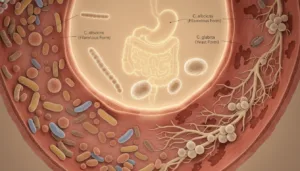
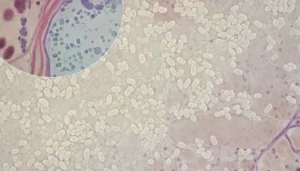
Gaining insight into how candida affects your well-being can lead to better health choices. This fungus, particularly candida albicans, is a common inhabitant of the human body. It accounts for over 50% of documented fungal infections.
Research shows that 96% of chronic sinusitis patients tested positive for fungal infections. This highlights the widespread nature of candida overgrowth and its potential impact on your health.
Your gut health plays a crucial role in overall wellness. In fact, 95% of serotonin, which influences mood, is produced by gut bacteria. Recognizing symptoms, such as fatigue or brain fog, is essential for understanding when your microbiome may need support.
Several risk factors can disrupt your gut balance. For instance, antibiotic use and chronic stress may allow harmful bacteria to thrive unchecked. This guide aims to explain how a well-planned candida diet can restore balance, nourishing beneficial flora while starving harmful yeast.
Benefits and Downsides of the Candida Diet
Understanding the benefits and challenges of your dietary choices can lead to better health outcomes. The candida diet offers several potential advantages. Many people experience reduced inflammation and improved energy levels when they eliminate sugar and alcohol from their meals.
Research supports these claims. A 2016 study highlights that candida albicans can lead to severe infections in 40% of cases. Additionally, a study involving 120 participants showed that dietary changes significantly reduced yeast levels in stool samples.
However, the strict nature of this eating plan can be challenging. You may need to plan meals carefully to avoid foods that could trigger an infection. The lack of extensive research may also leave you uncertain about how long to follow this diet for optimal results.
Ultimately, focusing on whole, unprocessed food is a positive step for anyone aiming to enhance gut function. Below is a summary of the benefits and challenges associated with this dietary approach:
| Benefits | Challenges |
|---|---|
| Reduced inflammation | Strict meal planning required |
| Improved energy levels | Limited food options |
| Supports gut health | Uncertainty about duration |
Preparing for Your Candida Cleanse and Diet Transition
Embarking on a dietary journey can set the stage for improved health. Before you start, it’s vital to consider some important factors. A 2019 study of 30 people showed that wheat flour increases yeast levels. Identifying these risk factors, like high sugar intake, can help you manage candida overgrowth in your body.
A successful cleanse typically lasts only a few days. This reset allows you to transition into a more sustainable long-term plan. Gradual dietary changes are key. Slowly removing alcohol and refined grains can help you avoid negative symptoms associated with rapid detoxing.
Planning your meals is crucial for accessing the right foods. Many experts suggest easing into the candida diet to prevent shock to your system. By focusing on small, consistent changes, you can effectively manage your gut health and reduce the risk of future fungal imbalances.
- Identify risk factors like high sugar intake.
- Plan for a successful cleanse lasting a few days.
- Gradually remove alcohol and refined grains.
- Take time to plan meals for better access to right foods.
- Easing into the diet helps prevent shock to your system.
- Focus on small changes to manage gut health.
Foods to eat after a candida cleanse
Your post-cleanse diet plays a crucial role in restoring balance to your body. Incorporating specific foods is essential for recovery. A 2015 study showed that apple cider vinegar has antifungal properties, making it a valuable addition to your meals.
When you consume meals that are friendly to your gut, you help introduce beneficial bacteria. These bacteria can crowd out the harmful Candida albicans fungus. Here are some key points to consider:
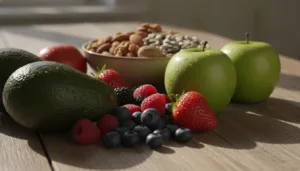
- Focus on low-sugar fruits and non-starchy vegetables to prevent blood glucose spikes.
- Many people notice a significant improvement in chronic fatigue by prioritizing nutrient-dense options.
- This dietary approach can lead to a more resilient gut microbiome, your first line of defense against recurring infections.
- Choosing high-quality ingredients minimizes the risk of further overgrowth.
- Consistently selecting these foods equips your system with the tools it needs to heal.
For more ideas on recipes that fit this approach, check out dairy-free candida recipes.
Incorporating Lean Proteins, Vegetables, and Healthy Fats
Building a balanced plate is essential for your recovery journey. Incorporating lean proteins, healthy fats, and non-starchy vegetables can significantly enhance your well-being. These components not only nourish your body but also support your gut health.
Choosing Quality Proteins and Fats
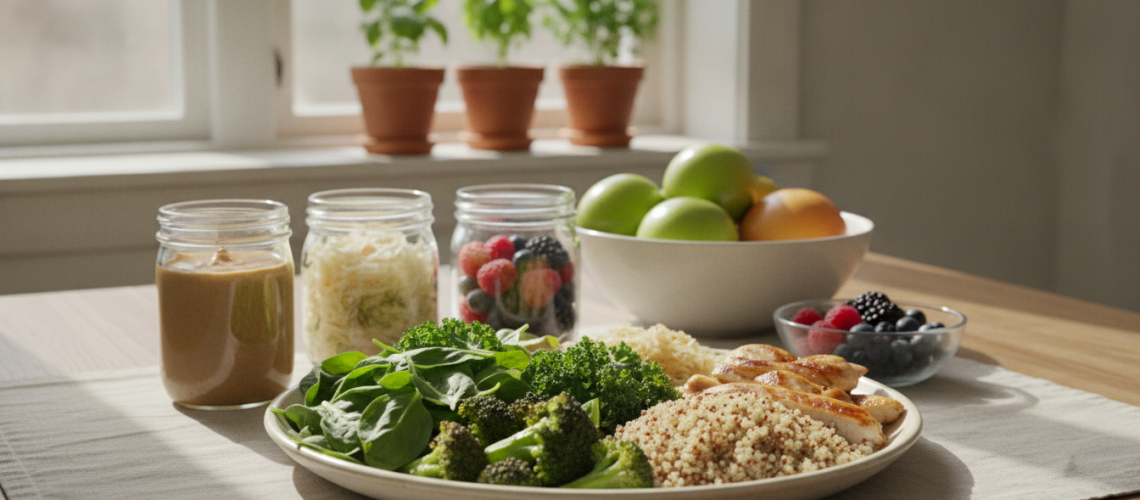
Your plate should include lean protein like chicken, which provides essential amino acids without feeding the yeast in your gut. Incorporating healthy fats such as olive oil and coconut oil is vital for hormone production and maintaining a healthy body during your recovery.
Beneficial Non-Starchy Vegetables to Include
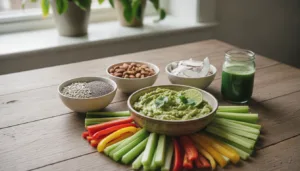
Non-starchy vegetables like broccoli and kale are foundational to the diet. They provide fiber that supports the growth of beneficial gut bacteria. When you consume meals that are friendly to your gut, prioritize seeds and nuts that are low in mold to avoid potential triggers for overgrowth.
Using high-quality oil for cooking ensures you are not consuming damaged fats that could increase inflammation. Many people find that including a variety of vegetables helps them feel satisfied, making it easier to stick to the plan long-term. By focusing on these specific foods, you create an environment where your system can thrive and heal effectively.
Meal Planning and Recipe Ideas for Your Candida Diet
Crafting a meal plan is vital for maintaining your health during recovery. This structured approach can make a significant difference in your overall well-being. You want to ensure that each meal supports your body and helps prevent any potential overgrowth.
Start your day with a breakfast of scrambled eggs and avocado. This combination provides healthy fats and protein for sustained energy. For lunch, enjoy a chicken salad dressed with extra virgin olive oil and fresh herbs, which is perfect for keeping your gut happy.
A dinner of stir-fried chicken with quinoa and steamed vegetables is a staple that keeps your blood sugar stable. You can also indulge in a yogurt parfait made with plain, unsweetened yogurt and a small amount of berries as a delightful treat during your recovery.
Preparing a breakfast of coconut-based cereal is another excellent way to avoid grains while ensuring you get essential nutrients. Every meal should include a variety of vegetables, helping maintain the diversity of your gut bacteria over time.
By following this meal plan, you ensure that you are consistently consuming foods that support your health and minimize the risk of overgrowth.
Lifestyle Changes to Support Gut Health and Candida Recovery
Making lifestyle adjustments is crucial for maintaining a healthy gut. These changes can greatly enhance your recovery journey and support your overall well-being.
Stress Management and Sleep Tips
Managing stress is essential, as chronic tension can weaken your immune system. This allows Candida albicans to thrive unchecked. Prioritizing sleep helps your body repair its gut lining, often compromised during periods of overgrowth.
Supplements and Probiotics Advice
Incorporating probiotics into your daily routine helps replenish beneficial bacteria. This is vital for fighting off persistent infections. Avoiding alcohol is also important, as it can disrupt your microbiome and increase the risk of recurring issues.
Using coconut oil in your cooking or as a supplement may provide additional support for your gut health during recovery. Many people find that meditation or light exercise helps manage stress, reducing flare-ups of symptoms.
By making these lifestyle changes, you create a supportive environment that allows your body to heal and maintain a healthy internal balance. For more information on what to avoid, check out this link.
Staying Consistent and Tracking Your Diet Progress
Keeping track of your dietary choices is essential for achieving long-term health benefits. Monitoring your symptoms can help you understand how your body reacts to various foods. Many people find that this practice leads to better management of their overall well-being.
Start by keeping a journal to note any symptoms candida causes, such as fatigue or digestive issues. This way, you can see patterns and adjust your plan accordingly. If you notice persistent symptoms, consider reevaluating your diet to avoid hidden sugars.
Consistency is key when dealing with candida overgrowth. Even small dietary slips can feed the yeast in your gut. Using an app to track your food intake can help you stay on the right path during your recovery.
Regularly reviewing your progress allows you to identify which foods support your body and which may hinder your recovery. Staying committed to the principles of your cleanse will help you develop healthy habits for the long term.
Conclusion
Embracing a new dietary approach can pave the way for improved health. While scientific research on the candida diet is still evolving, focusing on whole foods and healthy fats benefits everyone. By eliminating sugar and processed grains, you reduce the risk of Candida albicans overgrowth and support a thriving gut microbiome.
Remember, your journey to health is personal. It’s essential to listen to your body as you implement these dietary changes. Always consult with a healthcare professional before starting a new plan to ensure you meet all your nutritional needs safely.
The combination of fresh vegetables, lean proteins, and coconut oil provides a solid foundation for long-term wellness and vitality. Staying consistent with your food choices will help you manage symptoms and prevent the recurrence of uncomfortable fungal infections.
Thank you for following this guide. We wish you the best of luck in restoring your internal balance and feeling your best!