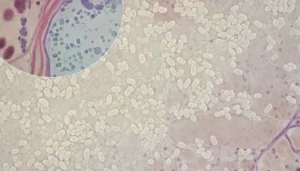
Completing your initial protocol is a significant achievement. However, understanding how to keep your health on track is essential for your long-term well-being. Remember, candida is a naturally occurring fungus in your body. The goal isn’t to eliminate it completely but to manage its levels effectively.
Maintaining a balanced internal environment is crucial. This balance helps prevent the overgrowth of candida, which can lead to uncomfortable symptoms. By focusing on sustainable habits, you can keep your body in a state of equilibrium.
This guide aims to equip you with the necessary tools to protect your gut and immune system. By doing so, you can avoid the common triggers that may lead to recurring issues. With the right approach, you can enjoy a healthier life.
Key Takeaways
- Success in your initial protocol is just the beginning.
- Understanding candida’s role in your body is vital.
- A balanced internal environment prevents overgrowth.
- Sustainable habits are key to long-term health.
- This guide provides tools for gut and immune system protection.
Table of Contents
ToggleUnderstanding Candida Overgrowth and Its Impact on Your Health
Understanding the balance of fungi in your body is crucial for overall health. There are over 150 known species of candida that play a role in digestion and nutrient absorption. However, when these organisms grow out of control, they can lead to various symptoms and health issues.
Common signs of overgrowth include bloating, fatigue, and digestive discomfort. These symptoms often arise when the delicate balance in your gut is disrupted. This imbalance can be triggered by factors such as high stress or the use of antibiotics, making you more susceptible to fungal infections.
The GI-MAP test is a professional tool that evaluates your gut microbiome. It helps identify if harmful bacteria are present, indicating an overgrowth of candida. Early recognition of these signs allows you to address the root causes before they escalate into serious health conditions.
| Symptoms | Potential Causes | Recommended Actions |
|---|---|---|
| Bloating | Imbalance of gut flora | Consider a stool test |
| Fatigue | Overgrowth of yeast | Consult a healthcare provider |
| Digestive discomfort | Stress and antibiotics | Implement stress management |
How to maintain results after candida treatment
Your journey doesn’t end with the completion of your initial treatment. It’s essential to stay alert to factors that may lead to a resurgence of candida overgrowth in your gut. If you experience symptoms like bloating or indigestion, reach out to your doctor promptly. This could indicate SIFO or another imbalance.
Consistency is vital. Your body needs time to restore its natural microbial balance. Avoid triggers that contributed to your initial yeast overgrowth, such as high sugar intake or unnecessary antibiotics. By doing so, you help prevent future issues.
Regularly monitoring your gut health allows you to catch minor shifts before they develop into significant symptoms. Staying proactive is key to your long-term wellness.
Candida-Friendly Diet and Nutrition Strategies
A well-planned diet can significantly enhance your health journey. Choosing the right foods is vital for maintaining a balanced gut. A Mediterranean diet is an excellent choice, focusing on citrus fruits, vegetables, legumes, and complex carbohydrates. This approach helps manage inflammation and supports your gut health.
Here are some key strategies to consider:
- Embrace a Mediterranean diet: This is a proven way to manage inflammation and support gut health.
- Prioritize non-starchy vegetables: Foods like broccoli and kale are excellent choices. Limit sugar intake, as it fuels yeast overgrowth.
- Eliminate alcohol: Alcohol is linked to leaky gut syndrome and can disrupt your microbiome balance.
- Plan meals around quality proteins: Incorporating healthy fats helps maintain stable blood sugar levels and reduces cravings.
- Choose the right vegetables: Avoid processed foods to create an environment where beneficial bacteria thrive.
Strengthening Your Immune System and Gut Health
Building a robust immune system is essential for your ongoing health journey. A diverse microbiome plays a critical role in keeping your body protected against the overgrowth of opportunistic fungi like candida. When your gut is balanced, your immune system functions more effectively.
Making lifestyle changes that reduce chronic inflammation will significantly strengthen your immune system. This proactive approach helps you hold onto the health improvements you’ve worked hard to achieve.
The gut mycobiome works alongside bacteria in your system, supporting your immunity and managing inflammation. By incorporating a variety of whole foods, you can provide the necessary nutrients for your natural defenses to thrive.
A strong immune system is your best defense against the recurrence of candida. This ensures that your gut remains a balanced and healthy environment.
Natural Supplements and Antifungal Support
Incorporating the right supplements can significantly enhance your antifungal efforts. Natural options like caprylic acid, found in coconut oil, are effective in breaking down candida cell membranes. This action can help manage yeast levels in your gut.
Here are some key supplements to consider:
- Caprylic Acid: A powerful way to support your antifungal treatment.
- Probiotics: Aim for a daily dose of 8-15+ billion colony-forming units to replenish your gut microbiome.
- Oregano Oil: This natural option provides antifungal support, helping keep your system free from unwanted overgrowth.
Integrating these supplements into your daily routine helps your immune system maintain the balance required to prevent future infections. Always take your probiotic 2-3 hours apart from any antimicrobial supplements to ensure their effectiveness.
Lifestyle Adjustments and Stress Management
Your ongoing wellness is shaped by daily habits and choices. Making small changes can lead to significant improvements in your health. Stress management is particularly important, as high cortisol levels can disrupt your gut microbiome. This disruption can trigger the symptoms of overgrowth that you want to avoid.
If you experience a Herxheimer reaction during your antifungal treatment, it’s essential to drink plenty of water. This helps your body flush out the toxins released as yeast breaks down. The Mayo Clinic notes that extreme cleanses are unnecessary, so focus on sustainable daily wellness practices instead.
Here are some effective daily wellness practices:
- Sleep well: Aim for seven to eight hours each night to support your immune system.
- Soothing baths: An oatmeal bath can help relieve skin issues or rashes caused by histamine reactions.
- Mindfulness: Engage in yoga or meditation to manage stress and prevent infections.
- Monitor symptoms: If you notice sudden reactions like fever or rapid heart rate, contact your doctor.
- Stay cool: Use cold compresses to alleviate physical symptoms during a die-off reaction.
| Daily Practices | Benefits | Recommendations |
|---|---|---|
| Sleep | Supports immune function | 7-8 hours nightly |
| Hydration | Flushes toxins | Drink plenty of water |
| Mindfulness | Reduces stress | Practice yoga or meditation |
Partnering with Healthcare Professionals
It’s vital to recognize that your health journey continues beyond initial treatments. Having a strong partnership with healthcare professionals is essential for ongoing support. They can help you navigate the complexities of candida management.
Knowing when to seek medical guidance is crucial. Here are some signs that indicate it’s time to consult your doctor:
- Severe allergic reactions: If you experience difficulty breathing or swelling of the tongue, seek emergency care.
- Signs of systemic candidiasis: If you suspect that candida has entered your bloodstream, this is a medical emergency.
- Persistent symptoms: If symptoms last more than a few days, re-evaluate your treatment plan.
- Monitoring your health: Regular check-ups help track changes in your gut health.
- New symptoms: Always inform your doctor about any new issues, especially related to your skin or digestive system.
Working closely with a healthcare professional ensures that you address the root causes of candida overgrowth effectively. This proactive approach is vital for maintaining your health and preventing future infections.
Conclusion
Maintaining your health journey is a continuous process that requires ongoing commitment. A balanced microbiome and healthy habits are key to keeping symptoms at bay. By understanding what triggers candida overgrowth, you can take proactive steps to protect your gut and immune system.
Remember, your body is unique. Finding the right way to sustain your health may involve small, consistent changes over time. If you notice any returning symptoms, don’t hesitate to consult a professional who can help restore your internal balance.
Staying informed and listening to your body are your best tools in preventing the recurrence of candida. Embrace this journey to enjoy lasting vitality and well-being.