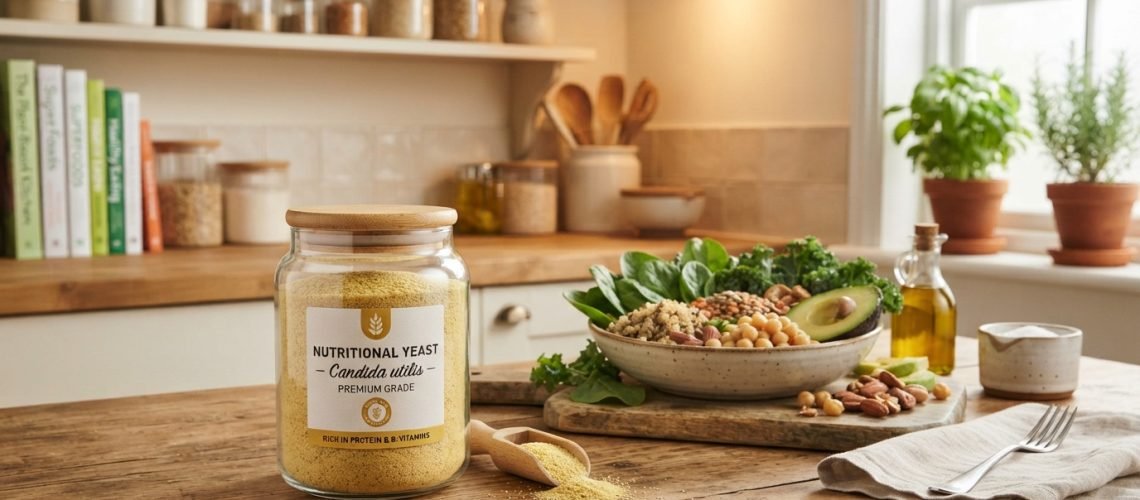
When it comes to food-related yeasts, Candida utilis stands out. This yeast is often used as a food additive and serves as a source of single-cell protein. It’s essential to understand that not every species in the Candida family is harmful. In fact, many are beneficial in various applications.
This article will delve into how Torula yeast, a type of yeast, has made its way into food production. You’ll discover why researchers are continuously exploring its potential for protein, flavor enhancement, and biotechnological uses. We’ll also clarify the difference between food exposure and infection reports, referencing the 2014 discussion in the *Encyclopedia of Food Microbiology* regarding health risks.
Furthermore, you’ll learn why the scientific classification of Candida utilis is crucial, especially as it is often associated with Cyberlindnera jadinii in modern studies. By connecting historical uses to current research, this guide aims to provide you with practical advice for reading food labels, empowering you to make informed dietary choices.
Key Takeaways
- Candida utilis is a beneficial yeast used in food production.
- It is important to distinguish between different species within the Candida family.
- Research continues on the applications of Torula yeast for flavor and protein.
- Understanding scientific classifications helps in recognizing health risks.
- This guide will assist you in making better dietary choices.
Table of Contents
ToggleWhat Is Candida utilis?
In the realm of food yeasts, Candida utilis is a prominent player with various applications. This yeast, often referred to as Torula yeast, has a rich history in food production. It is known for its ability to produce protein and enhance the flavor of processed foods.
Over time, the scientific community has recognized Candida utilis under different names, including Pichia jadinii and Cyberlindnera jadinii. This evolution in classification reflects ongoing research and understanding of yeast species. In fact, a study by Kurtzman, Johnson, and Smiley in 1979 revealed a significant DNA relationship between Candida utilis and its related species.
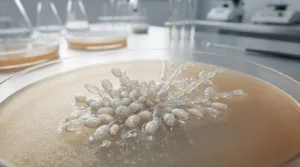
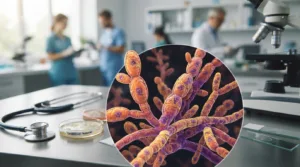
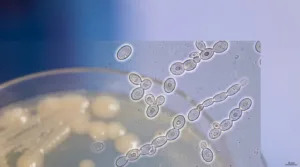
Under laboratory conditions, these yeast cells typically measure between 2.5-8 × 4.1-11.2 micrometers. They can also form one to four hat-shaped ascospores, showcasing their unique reproductive properties. Understanding these classifications is essential, as they do not indicate the introduction of new ingredients in your food.
Where Is Candida utilis Found?
The environments that foster food-related yeasts are not always well-defined. Researchers have pointed out that the natural habitat of Candida utilis remains uncertain. Instead of linking it to a specific plant, animal, or food, scientists describe its habitat as elusive.
One theory suggests that this yeast thrives on decomposing plant material. Its ability to utilize pentoses and tolerate lignin by-products supports this idea. This connection hints at a relationship with organic matter as it breaks down.
Historically, strains of Candida utilis have been isolated from various industrial sources. For instance, one type strain was identified in a yeast factory in Germany, while another came from a distillery in Italy. These findings show how industrial environments contribute to our understanding of this yeast.
However, it’s essential to note that finding this yeast in industrial or clinical samples does not automatically indicate that food exposure causes health issues. Understanding its habitat helps clarify its role in food production and safety.
How Candida utilis Is Used in Food and Biotechnology
Yeasts are more than just microorganisms; they are vital for innovation in food and biotech. Candida utilis plays a significant role in these sectors, particularly in single-cell protein production. This yeast thrives on inexpensive substrates like molasses and pulping waste, making it a cost-effective option for biomass generation.
For around six decades, Candida utilis has been cultivated using spent sulfite liquor from the paper industry. This unique growth medium allows the yeast to utilize pentose-rich materials effectively. Food manufacturers appreciate its biomass for flavor enhancement and emulsifying properties.
In biotechnology, researchers have engineered Candida utilis to produce various valuable products. These include L-lactic acid, ethanol, and the sweet protein monellin. Kondo’s 1997 study in *Nature Biotechnology* showcases its potential in recombinant protein production.
| Product | Application | Source |
|---|---|---|
| L-lactic acid | Bioplastics | Candida utilis |
| Ethanol | Biofuel | Candida utilis |
| Monellin | Sweetener | Candida utilis |
| Xylitol | Food additive | Candida utilis |
What Nutrients Can Candida utilis Provide?
Exploring the nutritional benefits of this yeast reveals its potential as a protein source. The biomass of this yeast offers microbial protein, which is rich in essential amino acids, including lysine. According to a 2017 review by Kieliszek and colleagues, this makes it a valuable addition to various diets.
Moreover, the yeast contains structural compounds like β-glucans, glucomannan, and mannoproteins. While these compounds are beneficial, it’s important to note that they should not be seen as guaranteed treatments for health issues.
Interestingly, this yeast does not require biotin for growth, setting it apart from other yeasts. It can also accumulate dulcitol and lipids intracellularly, indicating a diverse nutritional profile beyond just protein.
Lastly, the final nutrient content can vary significantly. Factors such as the strain, growth substrate, processing method, serving size, and added ingredients all play a role in determining the nutritional value of the final product.
How Candida utilis May Affect Your Health
Understanding the health implications of food yeasts is crucial for making informed dietary choices. Research indicates that Candida utilis is commonly used in food without causing health issues for most people. In fact, a 2014 review found no direct link between food products containing this yeast and negative health effects.
However, rare clinical reports have associated Candida utilis with transient fungemia in vulnerable patients. It’s important to note that the majority of bloodstream infections are attributed to other species, such as Candida albicans. In fact, up to 97% of reported infections involve five major clinical species, not ordinary food yeast exposure.
In toxicity testing, specific strains like Candida utilis IGC3092 showed high sensitivity. This suggests that while most people can safely consume foods containing this yeast, caution is warranted in certain medical contexts. Always consider the broader context of health when evaluating rare case reports.
Is Candida utilis the Same as Candida albicans?
The diversity of yeast species can lead to misunderstandings about their roles in our bodies. While both Candida utilis and Candida albicans share part of their names, they are distinct species with different profiles.
Candida albicans is commonly found in the mouth, gastrointestinal tract, and urogenital tract. In fact, approximately 40-60% of adults carry this yeast without showing any symptoms. This species can also form invasive hyphae at 37°C, which is a significant clinical concern.
- Candida utilis and Candida albicans are different yeast species, despite sharing the Candida part of their scientific names.
- Candida albicans commonly colonizes the mouth, gastrointestinal tract, and urogenital tract of humans, unlike the food-focused profile of Candida utilis.
- Approximately 40-60% of adults carry Candida albicans, often without symptoms, according to the cited food microbiology chapter.
- Candida albicans can form invasive hyphae at 37°C, a clinically important behavior not used to define ordinary Torula yeast ingredients.
- You should not assume that a product labeled Torula yeast contains Candida albicans or carries the same clinical implications.
How Does Candida utilis Compare With Other Common Yeasts?
The study of yeasts reveals a fascinating variety of species, each with its own purpose. Among them, Candida utilis and Saccharomyces cerevisiae stand out for their distinct roles in food production.
Saccharomyces cerevisiae is widely known for its use in baking and brewing. It is genetically different from Candida utilis, which is often linked to Torula yeast and single-cell protein. This distinction is crucial, as they should not be treated as interchangeable ingredients.
Furthermore, Candida utilis is associated with the names Pichia jadinii and Cyberlindnera jadinii. These names reflect the taxonomic history of this organism. Another example is Pichia kudriavzevii, previously known as Candida krusei.
When reading ingredient labels, it’s essential to check the full name and intended use. This practice helps you avoid confusing food yeast with brewing yeast and clinically important species.
What Does Current Research Say About Potential Benefits?
Ongoing studies emphasize the promising roles of yeasts in both food production and medical applications. Current research focuses on recombinant protein production and metabolite manufacturing. Scientists are exploring how different yeast species, like Candida utilis and Yarrowia lipolytica, can be engineered for various uses.
For instance, a recombinant strain of Candida utilis expressing MOG35-55 has shown potential in inducing oral tolerance in a mouse model. However, it’s essential to remember that findings in animals do not guarantee similar results in humans.
Additionally, researchers have engineered Candida utilis to produce valuable carotenoids, including lycopene and β-carotene. While these applications are exciting, they remain largely in the realm of biotechnology projects.
Overall, the research highlights the need to distinguish between laboratory activity and proven health benefits. As the field evolves, you’ll want to stay informed about the actual effects of these yeasts on health.
How Is Candida utilis Grown and Processed?
Growing and processing this yeast involves several important factors. Candida utilis prefers to thrive in environments where oxygen is available. This means that aeration is crucial during its industrial cultivation. Without sufficient oxygen, the yeast struggles to grow effectively.
Various substrates can support its growth. For instance, it can flourish on spent sulfite liquor, whey, molasses, ethanol, and acetic acid. These carbon sources provide the necessary nutrients for the yeast to develop and produce valuable biomass.
Additionally, strain selection and culture conditions significantly influence production outcomes. Researchers have employed genetic tools like Cre-loxP gene disruption and ribosomal-DNA-targeted integration to enhance the yeast’s capabilities. This genetic modification allows for the production of specific products, such as L-lactic acid from xylose.
Ultimately, the processing of Candida utilis after cultivation determines the final product. Whether it becomes dried biomass, an extract, or a flavor ingredient depends on the methods used during processing.
How to Read Food Labels and Make Informed Choices
Reading food labels can feel overwhelming, but it’s essential for making healthy choices. When reviewing packaged-food ingredient lists, look for terms like Torula yeast, Candida utilis, or Cyberlindnera jadinii. These names refer to the same ingredient, often used as a flavor enhancer or emulsifier.
Keep in mind that yeast taxonomy has evolved. A label may describe the same organism using different names. This is important to remember as you assess what’s in your food.
Next, consider the purpose of the ingredient. Is it there for flavor enhancement, protein enrichment, or fermentation? Understanding its role can help you make better choices.
Additionally, always compare serving sizes, total protein, sodium, and allergen information. Don’t judge solely by the ingredient name; look at the bigger picture.
If you have specific dietary restrictions, consult a registered dietitian or clinician. They can help you understand how a product fits your individual needs.
Who Should Take Extra Care With Yeast-Based Products?
When considering yeast-based products, certain individuals need to exercise caution. Invasive candidiasis primarily affects those with compromised immunity, serious illnesses, or those undergoing intensive medical treatments.
While rare, transient fungemia caused by Candida utilis has been reported in clinical literature. However, it’s essential to note that Candida albicans is responsible for most bloodstream infections, and food exposure is not typically considered a transmission route.
- If you have a weakened immune system, serious illness, or central lines, consult a clinician about unusual yeast products.
- Host vulnerability is often more critical than fungal virulence in invasive infections.
- Reports of Candida utilis fungemia do not imply that ordinary Torula yeast foods cause infections in healthy individuals.
- Seek medical advice for persistent fever or unusual reactions instead of self-diagnosing from ingredient labels.
- Those with yeast sensitivity or digestive restrictions may need tailored product guidance.
For more detailed insights on this topic, you can visit this resource.
Conclusion
A food ingredient’s name tells only part of its story. Candida utilis, also called Torula yeast, is used for flavor, texture, protein ingredients, and biotechnology. You may also see the names Cyberlindnera jadinii or Pichia jadinii, reflecting changes in yeast classification.
Depending on how producers grow and process it, the yeast biomass can provide protein, lysine, beta-glucans, glucomannan, and mannoproteins. Lab research also explores engineered proteins, useful compounds, and immune effects in animals. These findings do not prove a health benefit for people.
This food yeast is not Candida albicans, a species linked to many human infections. Check ingredient labels and nutrition facts, and consider your own health needs. If you have a serious condition or questions about yeast-based foods, ask a clinician or registered dietitian. That can help you make informed choices with confidence.
FAQ
What is Candida utilis?
Candida utilis is a type of food yeast, often referred to as Torula yeast. It’s known for its ability to thrive on various substrates and is used in different food applications.
Where can I find Candida utilis?
You can find Candida utilis in various food products, especially in yeast extracts and protein supplements. It’s commonly used in the food industry for flavor enhancement.
How is Candida utilis used in food and biotechnology?
This yeast is utilized for producing single-cell protein, flavor enhancers, and emulsifiers. In biotechnology, it plays a role in producing proteins and other valuable products.
What nutrients does Candida utilis provide?
Candida utilis is rich in protein, vitamins, and minerals, making it a nutritious addition to various diets.
How might Candida utilis affect my health?
Research indicates that its use in food is generally safe, but there are rare reports of infections, emphasizing the importance of context in its consumption.
Is Candida utilis the same as Candida albicans?
No, Candida utilis and Candida albicans are different species. While both are yeasts, they have distinct characteristics and applications.
How does Candida utilis compare with other common yeasts?
Compared to Saccharomyces cerevisiae, Candida utilis has different fermentation properties and applications. Names like Pichia jadinii and Cyberlindnera jadinii also relate to its classification.
What does current research say about the benefits of Candida utilis?
Ongoing research suggests potential benefits, including its use in sustainable protein production and its nutritional value.
How is Candida utilis grown and processed?
It can be grown on various food and industrial substrates. The strain and culture conditions significantly impact its production and quality.
How can I read food labels to make informed choices?
Look for terms like Torula yeast and related names on labels. It’s essential to consider your dietary needs and the intended use of the product.
Who should take extra care with yeast-based products?
Individuals with yeast allergies or compromised immune systems should be cautious with yeast-based products, including those containing Candida utilis.
Free: Candida Diet Starter Guide
Get our printable foods-to-eat and foods-to-avoid lists plus a simple 7-day sample meal plan. Free, and you can unsubscribe anytime.