You finish a course of antibiotics for a sinus infection, a UTI or a dental problem, and a few days later the itching starts. If that sounds familiar, you’re not imagining the connection. Antibiotics are one of the best-known triggers for a vaginal yeast infection, and many people notice the pattern after just one or two rounds.
This guide explains why a yeast infection after antibiotics happens, what it usually feels like, what the evidence says about prevention (including probiotics), and when it’s time to get checked. Everything here comes from the CDC, Mayo Clinic, Cleveland Clinic and published research on PubMed, listed in the Sources section at the end.
Table of Contents
ToggleWhy antibiotics can lead to a yeast infection
A healthy vagina holds a mix of yeast, including Candida, and bacteria. One group of bacteria, called lactobacillus, helps keep yeast from growing too much (Mayo Clinic).
Antibiotics can’t tell the bacteria causing your infection apart from the helpful ones. Cleveland Clinic explains that antibiotics taken for an infection elsewhere in your body can also kill the good bacteria in the vagina, and without them the balance shifts toward yeast (Cleveland Clinic). Mayo Clinic notes that people who take antibiotics regularly are at higher risk for exactly this reason: fewer lactobacillus bacteria leave room for yeast to overgrow (Mayo Clinic News Network).
The yeast behind most of these infections is Candida albicans, a fungus that normally lives in the body without causing trouble. For a broader look at how this happens, see our guide to yeast infections.
How common is it?
Vaginal yeast infections are very common in general. The CDC estimates that about 75% of women will have at least one episode, and 40% to 45% will have two or more (CDC).
For the antibiotic link specifically, one of the clearest numbers comes from a randomized trial in Melbourne, Australia. Researchers followed women aged 18 to 50 who needed a short course of oral antibiotics for an infection outside the reproductive tract. Of the 235 women with results, 55 (about 23%) developed a yeast-type vaginal infection after their antibiotics (Pirotta et al., BMJ 2004). So it’s common, but most people in that study did not get one.
Symptoms to watch for
Cleveland Clinic lists these common signs of a vaginal yeast infection:
- Itching or burning in or around the vagina.
- Thick, white discharge that looks like cottage cheese.
- Redness and swelling around the vulva and vagina.
- Small cuts or tiny cracks in the skin of the vulva.
- Burning when you pee.
- Pain during sex.
The tricky part is that none of these symptoms is specific to yeast. The CDC points out that the same symptoms can come from other causes (CDC). Bacterial vaginosis, for example, can show up after antibiotics too and needs a different treatment. Our article on bacterial vaginosis vs. yeast infections walks through the differences.
It isn’t only vaginal yeast
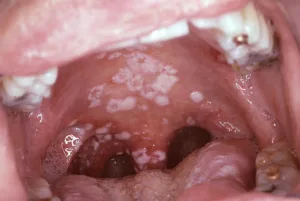
Antibiotics can upset the balance of microbes in other places as well. Mayo Clinic lists antibiotics among the medicines that can make oral thrush in adults more likely, because they disturb the normal mix of microorganisms in the mouth. If you notice white patches or soreness in your mouth after a course of antibiotics, that’s worth mentioning to your doctor or dentist.
How a yeast infection after antibiotics is treated
Treatment is the same as for any vaginal yeast infection. According to the CDC, it’s usually an antifungal cream or suppository used inside the vagina, or a single dose of fluconazole taken by mouth. Some creams are sold over the counter, but the CDC recommends testing before you start treatment (CDC).
Cleveland Clinic describes the same two routes: an oral medicine, usually one dose of fluconazole, or a topical medicine used daily for up to seven days. It also suggests avoiding self-treatment if you aren’t completely sure it’s a yeast infection, and talking to a healthcare provider first (Cleveland Clinic). Our overview of over-the-counter options and our guide to prescription antifungal medication cover the choices in more detail.
A few situations need a different plan:
- Pregnancy. The CDC recommends only topical azole treatments, used for 7 days, during pregnancy, and advises against oral fluconazole because of possible risks to the pregnancy. See yeast and Candida during pregnancy.
- Diabetes or a weakened immune system. The CDC classes infections in these groups as “complicated,” and they often need longer treatment. Keeping blood sugar in a healthy range also matters (Candida and blood sugar).
- Infections that keep coming back. Recurrent yeast infections, defined by the CDC as three or more in under a year, affect fewer than 5% of women. They can be linked to frequent antibiotic use, diabetes or other factors. Mayo Clinic notes that four or more a year may need a longer treatment course and a prevention plan. Our page on recurring yeast infections goes deeper.
Can you prevent a yeast infection when you take antibiotics?
First, an important point: don’t skip or stop an antibiotic you need just to avoid a yeast infection. Untreated bacterial infections can be serious. If you’ve had yeast infections after antibiotics before, tell the person prescribing them so they can factor that into your care.
What about probiotics?
Taking a probiotic or eating yogurt during antibiotics is a popular tip, but the research is less encouraging than the advice. In the Melbourne trial above, women took lactobacillus by mouth, vaginally, both, or a placebo from the start of their antibiotics until four days after. Neither form lowered the rate of post-antibiotic yeast infection compared with placebo, and the trial was stopped early because the probiotics showed no effect (Pirotta et al., BMJ 2004).
The CDC’s treatment guidelines also say there’s no substantial evidence supporting probiotics for treating vaginal yeast infections (CDC). Probiotics may still have a place in overall gut health, and we cover what the research does and doesn’t show in probiotics for Candida overgrowth. Just don’t count on them to stop a yeast infection.
Everyday habits that may help
These habits won’t guarantee anything, but Cleveland Clinic and Mayo Clinic recommend them to lower the risk of vaginal yeast infections in general, which is especially useful while you’re on antibiotics:
- Wear underwear with a cotton crotch that isn’t too tight, and choose loose-fitting clothes.
- Change out of wet swimsuits and sweaty gym clothes as soon as you can.
- Don’t douche, since douching can kill the bacteria that keep yeast in check.
- Skip vaginal sprays, deodorants, and scented tampons or pads.
- Use water-based lubricants.
- If you have diabetes, keep your blood sugar in a healthy range.
Many people also choose to cut back on added sugar while they recover. Research hasn’t shown that diet alone prevents yeast infections, but if you’d like a simple starting point, our list of foods that feed Candida explains which foods people most often limit.
When to see a doctor
Get checked by a healthcare professional if:
- This is your first yeast infection, or you’re not sure that’s what it is.
- Your symptoms don’t go away after an over-the-counter treatment, or they come back within two months. The CDC says anyone in either situation should be examined and tested.
- You get yeast infections often, for example three or more in a year.
- You’re pregnant, have diabetes or have a weakened immune system.
- You develop other symptoms, such as fever, pelvic or belly pain, a strong or unusual odor, sores or blisters, or symptoms that are severe.
A clinician can usually confirm a yeast infection with a quick exam and a sample of discharge (Cleveland Clinic). That matters, because treating the wrong problem can delay the right treatment. If you’re not sure who to see, our guide to what kind of doctor treats Candida can help.
Frequently asked questions
How soon after antibiotics can a yeast infection start?
It can show up during a course of antibiotics or in the days after. In the Melbourne trial, researchers tracked symptoms from the start of antibiotics until a few days after the course ended, and that’s the window when cases appeared.
Which antibiotics cause yeast infections?
Any antibiotic that reduces the helpful bacteria in the vagina can raise the risk. Cleveland Clinic and Mayo Clinic describe the risk in terms of antibiotics in general, rather than a single drug.
Will a yeast infection from antibiotics go away on its own?
Don’t count on it. Cleveland Clinic and the CDC both describe antifungal medicine as the usual treatment, so if you have symptoms, talk to a clinician rather than waiting it out.
Can men get a yeast infection after antibiotics?
Yes, though it’s less common. Candida can cause infections on the penis, in the mouth or on the skin. See our guide to Candida in men.
Sources
- Centers for Disease Control and Prevention. Vulvovaginal Candidiasis, STI Treatment Guidelines.
- Centers for Disease Control and Prevention. Treatment of Candidiasis.
- Mayo Clinic. Yeast infection (vaginal): Symptoms and causes.
- Mayo Clinic News Network. Vaginal infections have similar symptoms, require different treatments.
- Mayo Clinic. Oral thrush: Symptoms and causes.
- Cleveland Clinic. Vaginal Yeast Infection: Causes, Symptoms and Treatment.
- Pirotta M, et al. Effect of lactobacillus in preventing post-antibiotic vulvovaginal candidiasis: a randomised controlled trial. BMJ. 2004.
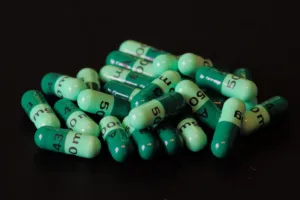
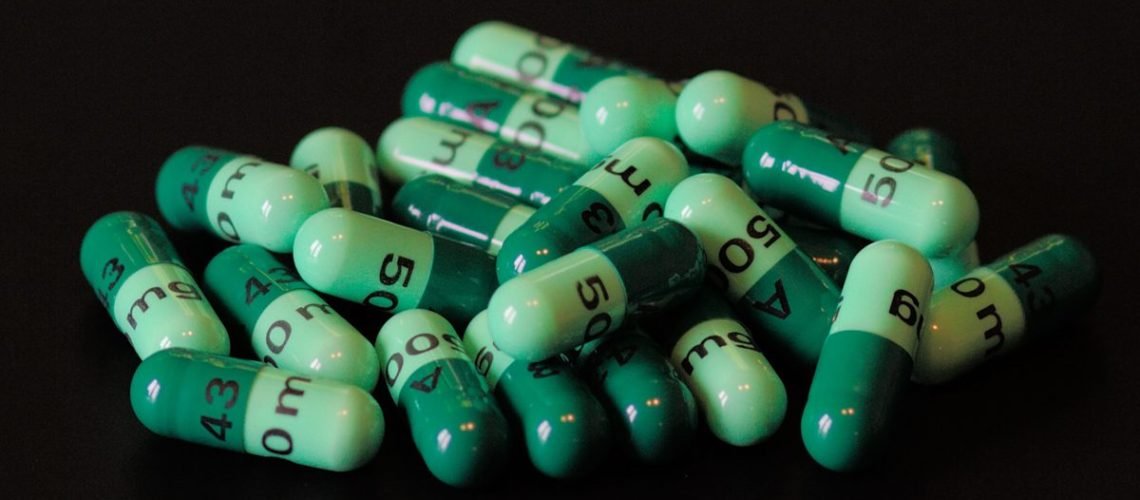
Featured image: a course of cefalexin antibiotic pills, photo by Sage Ross, CC BY-SA 3.0, via Wikimedia Commons (resized).
This article is general education, not medical advice. Talk to your doctor or another qualified clinician about any symptoms, before starting or stopping any medicine, and especially before stopping an antibiotic you’ve been prescribed. See our medical disclaimer.
Free: Candida Diet Starter Guide
Get our printable foods-to-eat and foods-to-avoid lists plus a simple 7-day sample meal plan. Free, and you can unsubscribe anytime.