Welcome to your journey toward better health! This guide offers a structured approach to help you navigate the complexities of restoring your internal balance. With over 150 species of fungi naturally occurring in your body, it’s essential to understand how to manage them effectively.
In this guide, you will learn how to implement a healing diet focused on whole foods. You’ll also discover which common triggers to avoid that may worsen your symptoms. We aim to simplify the process of starting your diet by providing clear, actionable steps that you can easily follow in your kitchen.
While the presence of fungi is common, managing your health requires a thoughtful approach. By following this guide, you can prepare easy recipes that make your path to better health both manageable and delicious.

Key Takeaways
- This guide helps you restore internal balance with a structured approach.
- Focus on whole foods while avoiding common triggers.
- Clear, actionable steps make it easy to start your healing journey.
- Understanding the role of fungi in your body is crucial for health.
- Discover delicious recipes that support your wellness goals.
Understanding Candida Overgrowth and Its Symptoms
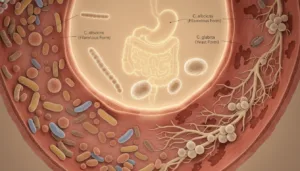
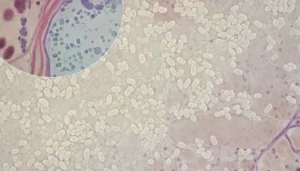
Gaining insight into the role of fungi in your body is essential for wellness. One of the most common fungi is Candida albicans, which accounts for over half of all fungal infections. While there are more than 150 species of this fungus, only about 15 can lead to infections in humans.
In a healthy state, this fungus resides in your mouth, digestive tract, and vagina without causing harm. However, when an overgrowth occurs, you may notice persistent symptoms such as chronic fatigue. This can greatly affect your energy levels and concentration.
Skin issues like eczema or rashes can also signal that your internal microbiome is out of balance. Additionally, if you experience recurrent urinary tract infections, it may indicate that your body is struggling with an overgrowth that needs attention.
Recognizing these signs is crucial, as most of the fungi in your body are beneficial for digestion. Understanding the balance can help you maintain better health.
The Science Behind the Candida Diet
Your food choices play a pivotal role in shaping your health and well-being. Research has shown that dietary changes can significantly influence the levels of harmful yeast in your body. A study found that 96% of 210 chronic sinusitis patients tested positive for fungal infections, highlighting the importance of gut health.
Moreover, your gut bacteria are essential for your health. They produce about 95% of the serotonin your system uses to regulate mood and mental processes. By making intentional dietary changes, you can starve harmful yeast while nourishing the beneficial bacteria that maintain a healthy microbiome.
When you address an infection through your diet, you work to restore the delicate balance of your internal ecosystem. A healthy gut is the foundation of a healthy you, and these changes can help you feel better by supporting your microbiome.
Benefits and Pitfalls of a Candida Diet
Understanding the benefits and challenges of dietary choices can enhance your health journey. A recent study involving 120 people showed that specific dietary changes could significantly reduce the number of yeast in the stool. This finding highlights the potential of a focused diet to improve health.
However, while the diet offers potential health benefits, it is crucial to note that it is quite strict. Many common foods, including sugar and gluten, are eliminated. This can make meal planning challenging for many people.
Additionally, if you have a history of disordered eating, experts recommend avoiding such a restrictive diet. It’s important to protect your long-term mental health. Furthermore, the lack of extensive human research means that while some individuals report success, the diet’s effectiveness remains debated.
| Study Findings | Benefits | Challenges |
|---|---|---|
| 3-month study with 120 participants | Reduced yeast numbers | Strict regimen |
| Dietary changes | Improved health markers | Elimination of sugar and gluten |
| Long-term adherence | Potential for better digestion | Meal planning difficulty |
Candida overgrowth meal plan: Building Your Healing Menu
Crafting a thoughtful menu is key to your health journey. To build your menu, it’s essential to limit your intake to a maximum of 60 grams of total carbs per day. This approach effectively resets your microbiome and helps you regain balance.
Your plate should be balanced with lean protein, healthy fats, and a variety of leafy or cruciferous vegetables. These choices support your healing process and create an environment where harmful yeast cannot thrive.
It’s crucial to avoid flour-based foods, grains, and added sugar. Limiting fruit and starchy vegetables to just two servings per day will yield the best results. Planning your meals in advance is a vital part of this strategy, ensuring you stay within your daily carbohydrate limits consistently.
By focusing on these specific food groups, you can take control of your health. For more insights on dietary strategies, visit this resource.
| Food Group | Examples | Daily Limit |
|---|---|---|
| Carbohydrates | Whole grains, sugars | 60 grams |
| Proteins | Chicken, fish, legumes | As needed |
| Fats | Olive oil, avocados | As needed |
| Vegetables | Leafy greens, broccoli | Unlimited |
| Fruits | Berries, apples | 2 servings |
Easy Recipes to Kickstart Your Healing Journey
Starting your healing journey can be both enjoyable and straightforward. With the right recipes, you can nourish your body while adhering to your dietary guidelines. Here are some simple yet delicious ideas to help you get started.
Simple Breakfast Ideas
Kick off your day with a satisfying breakfast. Consider scrambled eggs seasoned with fresh spices. Pair them with avocado for a boost of healthy fats. This combination will help keep your energy levels stable throughout the day.
Lunch and Dinner Inspirations
For lunch, try a vibrant salad topped with grilled chicken, a drizzle of olive oil dressing, and a handful of nuts. This meal is rich in essential fats and proteins.
Dinner can be equally simple. Enjoy wild-caught salmon cooked in coconut oil, served alongside steamed vegetables. This nutrient-dense meal supports your healing process.
You can also incorporate fresh berries in moderation. They provide a touch of sweetness while remaining safe for your system. Remember, these easy recipes show that you don’t have to sacrifice flavor while following your healing journey.
Meal Planning Tips and Lifestyle Adjustments
Navigating your health journey requires smart planning and mindful choices. Effective meal planning can significantly impact your well-being. Here are some practical tips to help you along the way.
Smart Grocery Shopping Tips
When shopping, focus on fresh produce and healthy fats like coconut oil. Avoid processed foods and opt for fermented items like sauerkraut to support your gut health. Remember to read labels carefully; many store-bought foods contain hidden sugars or additives that can disrupt your progress.
- Reduce your intake of alcohol, as it can weaken your immune system and contribute to digestive problems.
- Consider reaching out to the team at 317-989-8463 for professional guidance on managing your health and lifestyle factors.
Incorporating Healthy Habits into Your Daily Routine
Incorporating healthy habits, such as stress management, is just as important as the food you eat when trying to heal. Take the time to prioritize these habits, as they can enhance your overall wellness.
By making these adjustments, you set yourself up for success on your healing journey. For more recipe ideas, check out this resource.
Adapting Your Diet for Long-Term Health
Transitioning to a sustainable diet is crucial for maintaining your health. After completing your six-week cleanse, it’s time to slowly reintroduce foods. This helps you observe how your body reacts to these dietary changes over time.
Remember, this diet is not meant for long-term use. It specifically addresses certain infection problems. Many people find that by keeping healthy habits, they can prevent the recurrence of issues even after stopping the strict regimen.
Always consult with your healthcare provider before making significant lifestyle changes, especially if you have underlying health factors. Transitioning back to a balanced diet allows your body to recover while you monitor your symptoms and overall well-being.
Conclusion
Embarking on a path to improved health can be a transformative experience. While the diet may not have extensive scientific backing, many people find it effective for managing their symptoms and enhancing their well-being.
Addressing an overgrowth requires dedication to a whole-foods approach that supports your body’s natural healing processes. Remember, your journey is unique, and it may take time to see the positive changes you desire.
By eliminating trigger foods and focusing on nutrient-dense options, you can create a system that works for your specific needs. Always prioritize consulting with a healthcare professional to ensure your approach is safe and effective for your body.