Cutting back on sugar is the first thing most candida diet plans ask you to do, and it’s usually the hardest. So the next question is almost always: which sweeteners can I still use? Stevia, monk fruit, xylitol, erythritol, coconut sugar and honey all show up on “allowed” lists online, and the lists rarely agree.
This guide goes through the most common candida diet sweeteners one by one: what each one is, what the research actually shows about sweeteners and Candida, and the safety points worth knowing before you stock up.
Table of Contents
ToggleWhy sugar gets the blame on a candida diet
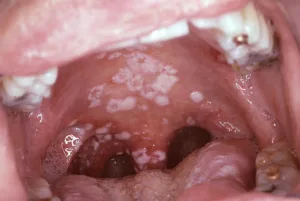
Candida is a yeast that normally lives on the skin and in the mouth, throat, gut and vagina without causing symptoms. Problems start when it grows out of control, which can lead to infections such as thrush or vaginal yeast infections (CDC).
Like most yeasts, Candida grows well on simple sugars such as glucose, which is why candida diets focus on cutting sugar. The evidence in people, though, is more limited than many websites suggest:
- In a small study of 28 healthy volunteers, a high-sugar diet did not raise overall Candida levels in mouth rinses or stool. A few people who already had high oral Candida counts did show a rise in stool counts (Weig et al., 1999).
- In a small Polish study of 30 people, eating more refined (white) wheat flour products was linked with finding Candida in the gut (Jeziorek et al., 2019). That study shows a link, not cause and effect.
So cutting added sugar is a reasonable, healthy step. Health authorities recommend limiting added sugar anyway, whether or not you’re worried about yeast. But it isn’t proven to control Candida on its own. For more on which foods are usually limited, see our guide to foods that feed candida.
The main types of sweeteners
Sweeteners fall into three broad groups, and they behave very differently:
- Sugars and syrups: table sugar, honey, maple syrup, agave, molasses and coconut sugar. The CDC counts sweeteners, syrups and honey as added sugars (CDC).
- High-intensity sweeteners: stevia, monk fruit and synthetic sweeteners such as sucralose, aspartame and saccharin. They’re hundreds of times sweeter than sugar, so only tiny amounts are used (FDA).
- Sugar alcohols (polyols): xylitol, erythritol, sorbitol, maltitol and others. Despite the name, they contain no ethanol and no table sugar. They’re only partly digested (Cleveland Clinic).
Candida diet sweeteners, one by one
Stevia
Stevia sweeteners come from the leaves of the Stevia rebaudiana plant. The sweet compounds, called steviol glycosides, are about 200 to 400 times sweeter than sugar. In the U.S., the FDA has not questioned the safety of high-purity (at least 95%) steviol glycosides. Whole-leaf stevia and crude stevia extracts are not permitted as sweeteners (FDA).
On Candida itself, the evidence is limited to lab work. In one lab study, stevioside reduced a mixed biofilm of Candida albicans and a cavity-causing bacterium and stopped the yeast from switching to its more invasive thread-like form. The effect weakened when sucrose (table sugar) was added (Guo et al., 2023). A lab dish is very different from the human gut, so this doesn’t show that stevia fights Candida in people. In that study, though, stevioside didn’t fuel growth the way sucrose did.
Watch for: many stevia products are blended with fillers or sugar alcohols, so check the ingredient list.
Monk fruit (luo han guo)
Monk fruit extract comes from Siraitia grosvenorii, a fruit native to southern China. Its sweet compounds (mogrosides) make it about 100 to 250 times sweeter than sugar. The FDA has not questioned the GRAS (generally recognized as safe) status of monk fruit extracts, and no acceptable daily intake has been specified because of evidence of safety well above normal use (FDA).
There’s little direct research on monk fruit and Candida. Like stevia, it adds sweetness with little or no sugar. Many monk fruit sweeteners in stores are blended with erythritol or other ingredients, so read the label.
Xylitol
Xylitol is a sugar alcohol about as sweet as sugar. It’s common in sugar-free gum, mints and toothpaste (Cleveland Clinic). It’s often called “antifungal,” and the lab research is mixed:
- One lab study found xylitol could stop C. albicans growth, but only at very high concentrations, around 200 mg per milliliter (Talattof et al., 2018).
- Another found xylitol and sorbitol reduced Candida and bacterial biofilms, but that effect was largely lost when sucrose was present (Chan et al., 2020).
- A 2026 lab study found C. albicans can use xylitol for growth, though far less well than glucose, and xylitol didn’t block its use of glucose (Mousa et al., 2026).
None of these were studies in people, so xylitol shouldn’t be thought of as a candida treatment.
Watch for:
- Digestive upset. Larger amounts can cause gas, bloating and diarrhea (Mayo Clinic). That matters if you’re already dealing with gut symptoms. See can candida cause bloating?
- Heart research. A Cleveland Clinic-led study linked higher blood xylitol levels with a higher three-year risk of heart attack and stroke, and found that a xylitol drink increased clotting activity. The researchers stress this shows an association, not proof of cause (Cleveland Clinic).
- Dogs. Xylitol can cause dangerously low blood sugar in dogs, and it turns up in some nut butters and baked goods. Keep it out of reach of pets (FDA).
Erythritol
Erythritol is about 60% to 80% as sweet as sugar and is popular in “keto” products (Cleveland Clinic). It tends to cause fewer stomach problems than xylitol, but it carries a similar heart-related question mark:
- In more than 4,000 people in the U.S. and Europe, higher blood erythritol was linked with a higher risk of heart attack, stroke or death, and erythritol made platelets clot more easily in lab tests (Witkowski et al., 2023).
- In a small follow-up, 30 grams of erythritol increased platelet clotting activity in healthy volunteers, while the same amount of glucose did not (Witkowski et al., 2024).
The FDA reviewed the 2023 paper and concluded its observational findings did not establish that erythritol causes these effects, and it continues to monitor the research (FDA). If you have heart disease, diabetes or a clotting risk, ask your doctor before using erythritol regularly.
Sucralose, aspartame and saccharin
These synthetic sweeteners are FDA-approved and used in many “diet” foods (FDA). Most candida diet plans leave them out, and there’s some research on how they affect gut bacteria. In a randomized trial of 120 healthy adults, two weeks of saccharin, sucralose, aspartame or stevia each changed the gut and mouth microbiome. Saccharin and sucralose also worsened blood sugar responses, and the effects varied a lot from person to person (Suez et al., 2022). That trial didn’t measure Candida, but it’s a reminder that “zero calorie” doesn’t mean “no effect.”
Coconut sugar, honey, maple syrup and agave
These are often marketed as “natural” or “unrefined,” but they are still sugars. Mayo Clinic notes that honey and molasses are forms of added sugar, and the CDC includes syrups and honey in its definition of added sugars (Mayo Clinic; CDC). If you’re cutting sugar on a candida diet, these belong in the same group as table sugar.
Quick comparison
| Sweetener | Type | Sugar content | Main things to know |
|---|---|---|---|
| Stevia (purified) | High-intensity | None | Check for fillers; may cause gas or bloating in some people |
| Monk fruit | High-intensity | None | Often blended with erythritol |
| Xylitol | Sugar alcohol | None (low calorie) | Digestive upset; heart research ongoing; toxic to dogs |
| Erythritol | Sugar alcohol | None (low calorie) | Heart and clotting research ongoing |
| Sucralose, aspartame, saccharin | Synthetic | None | Often left out of candida diets; may affect gut bacteria |
| Coconut sugar, honey, maple, agave | Sugar | High | Count as added sugar |
Practical tips for using sweeteners
- Use less overall. The CDC notes that no amount of added sugars or non-nutritive sweeteners is considered part of a healthy diet (CDC), and Mayo Clinic suggests using sugar substitutes in small amounts.
- Read ingredient lists. “Stevia” and “monk fruit” products are often mostly erythritol, dextrose or maltodextrin.
- Introduce one at a time. If you get gas, bloating or loose stools, cut back or switch.
- Lean on whole-food flavor. Cinnamon, vanilla, nutmeg and a few berries add flavor to breakfasts and snacks without much sugar. Our tips to reduce sugar intake and the candida diet grocery list can help.
- Don’t give sugar substitutes to children under 2. U.S. dietary guidelines advise against it (Mayo Clinic).
When to see a doctor
Changing your diet isn’t a substitute for diagnosis or treatment. Candidiasis is treated with antifungal medicines, and the right one depends on where the infection is and how severe it is (CDC). See a doctor if you have:
- White patches in your mouth, pain or trouble swallowing, or a rash that won’t clear
- Vaginal itching, soreness or discharge for the first time, during pregnancy, or that keeps coming back
- Fever or chills alongside other symptoms
- Diabetes, a weakened immune system, or frequent infections. Unmanaged diabetes is a known risk factor for thrush and yeast infections (CDC)
- Heart disease or a clotting disorder and you’re thinking of using sugar alcohols regularly
- A bowel condition. Mayo Clinic notes sugar substitutes may make symptoms flare
FAQ
Is stevia OK on a candida diet?
Purified stevia adds sweetness without sugar and is included in most candida diet plans. There’s no evidence in people that it treats Candida, and some people get digestive symptoms. Choose a product without added sugars or fillers.
Does xylitol kill candida?
Not in any way that’s been shown in people. Lab studies found xylitol only stopped Candida at very high concentrations, the effect faded when sugar was present, and one study found Candida can use xylitol for growth.
Is coconut sugar better than regular sugar for candida?
No. Coconut sugar is still sugar and counts as added sugar, so treat it the same as table sugar if you’re cutting sugar.
What’s the best sweetener for a candida diet?
There’s no proven “best.” Small amounts of purified stevia or monk fruit are the most common choices because they add no sugar. Using less sweetener overall is the most reliable approach.
The bottom line
For a lower-sugar candida diet, purified stevia and monk fruit are the simplest sugar-free options. Xylitol and erythritol work for some people but can upset digestion and are under study for heart effects. Coconut sugar, honey and syrups are still sugar. And no sweetener has been shown to treat Candida in people, so see a doctor if you have symptoms of an infection.
Sources
- CDC. Candidiasis Basics.
- CDC. Get the Facts: Added Sugars.
- U.S. FDA. Aspartame and Other Sweeteners in Food.
- U.S. FDA. Paws Off Xylitol; It’s Dangerous for Dogs.
- Mayo Clinic. Artificial sweeteners and other sugar substitutes.
- Cleveland Clinic. What You Should Know About Sugar Alcohols.
- Cleveland Clinic. Cleveland Clinic-Led Study Links Sugar Substitute to Increased Risk of Heart Attack and Stroke (2024).
- Weig M, et al. Limited effect of refined carbohydrate dietary supplementation on colonization of the gastrointestinal tract of healthy subjects by Candida albicans. Am J Clin Nutr. 1999.
- Jeziorek M, et al. The influence of diet on gastrointestinal Candida spp. colonization. Rocz Panstw Zakl Hig. 2019.
- Guo M, et al. Inhibitory effects of stevioside on Streptococcus mutans and Candida albicans dual-species biofilm. Front Microbiol. 2023.
- Talattof Z, et al. Antifungal activity of xylitol against Candida albicans: an in vitro study. J Contemp Dent Pract. 2018.
- Chan A, et al. Inhibitory effects of xylitol and sorbitol on Streptococcus mutans and Candida albicans biofilms are repressed by the presence of sucrose. Arch Oral Biol. 2020.
- Mousa HRF, et al. Characteristics of Candida albicans metabolism of glucose and two sugar substitutes, xylose and xylitol. J Oral Microbiol. 2026.
- Witkowski M, et al. The artificial sweetener erythritol and cardiovascular event risk. Nat Med. 2023.
- Witkowski M, et al. Ingestion of the non-nutritive sweetener erythritol, but not glucose, enhances platelet reactivity. Arterioscler Thromb Vasc Biol. 2024.
- Suez J, et al. Personalized microbiome-driven effects of non-nutritive sweeteners on human glucose tolerance. Cell. 2022.
This article is general education, not medical advice. Talk to your doctor or another qualified clinician before changing your diet, starting supplements, or if your symptoms are severe, new, or not improving.
Free: Candida Diet Starter Guide
Get our printable foods-to-eat and foods-to-avoid lists plus a simple 7-day sample meal plan. Free, and you can unsubscribe anytime.