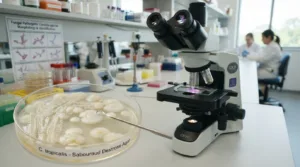
“Systemic fungus” is used online to describe everything from mild gut symptoms to life-threatening infections. In medicine, a systemic or invasive fungal infection means fungi such as Candida, Aspergillus or Histoplasma have entered the bloodstream or internal organs. These infections are serious, and they need prompt medical treatment, not home remedies.
Table of Contents
ToggleWho is at risk
- people in intensive care, or with central lines or catheters
- people having chemotherapy or a transplant, or taking high-dose steroids or other immune-suppressing drugs
- people with uncontrolled diabetes, advanced HIV, or recent major surgery
- premature babies
- people exposed to certain fungal spores, such as histoplasmosis from soil or bird and bat droppings
Warning signs
Fever or chills that don’t improve with antibiotics, low blood pressure, shortness of breath, cough, chest pain, eye pain or vision changes, or new skin lesions in someone at risk all need urgent medical attention. See symptoms of invasive candidiasis, Candida auris symptoms and histoplasmosis.
How it’s treated
Invasive fungal infections are diagnosed with blood cultures, imaging and other tests, and treated with prescription antifungals, often intravenously in hospital, for weeks or longer. Removing infected lines and treating underlying conditions is part of care. See our guide to antifungals and rezafungin for candidemia.
“Systemic candida” vs. gut overgrowth
Many people searching for this term are dealing with milder symptoms they attribute to candida in the gut, such as bloating, fatigue or brain fog. That’s different from an invasive infection. Those symptoms deserve a proper medical workup too, because they have many possible causes. See candida overgrowth symptoms and candida testing.
Supporting your health during and after treatment
Alongside medical treatment, and with your care team’s agreement, these habits support overall recovery:
- Nutrition: enough protein, vegetables and healthy fats; limiting added sugar helps blood-sugar control. See candida diet meal plan.
- Blood-sugar management if you have diabetes.
- Probiotics only if your doctor agrees. They are not recommended for some critically ill or severely immunocompromised patients.
- Sleep, gentle movement and hydration as you recover.
- Finishing your full antifungal course and going to follow-up appointments.
Avoid supplements and herbs during treatment unless your doctor or pharmacist approves them. Many interact with antifungal medicines.
This article is general education, not medical advice. Talk to your doctor or another qualified clinician before changing your diet, starting supplements, or if your symptoms are severe, new, or not improving.
Free: Candida Diet Starter Guide
Get our printable foods-to-eat and foods-to-avoid lists plus a simple 7-day sample meal plan. Free, and you can unsubscribe anytime.